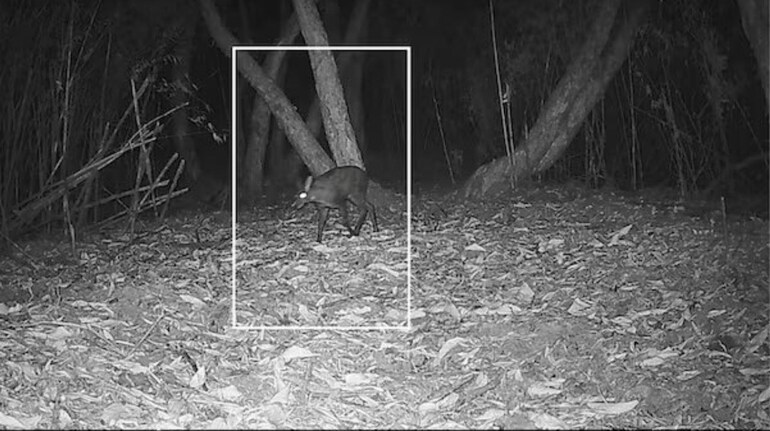
A cold Neora Valley morning offered scientists a quiet surprise this winter, as a camera trap revealed an animal many believed lost from the state. The unexpected images raised one central question: could the endangered Himalayan musk deer still survive in these forests after seven long decades?
First photographic evidence emerges in Neora Valley
Scientists captured six images last December during a camera survey. The survey began in December 2023 under a national programme. The project monitored endangered species with a focus on red pandas. The photographs were taken at 3,112 metres inside the park. The study was later published by Cambridge University Press India. The report noted the first confirmed images from West Bengal. The last documented sighting here happened in 1955.
Why is this record considered so significant for experts?
It verifies the genus still survives across the state. Researchers earlier feared the species had vanished entirely. This discovery changed long-held assumptions about its decline. It highlighted the rich habitat inside Neora Valley. The park covers 160 square kilometres of varied terrain. It sits within the Kangchenjunga transboundary landscape zone. The area hosts temperate, subtropical and tropical forests.
#Endangered musk #deer spotted for the first time in 70 years in #WestBengal. They are classified as Endangered on the #IUCN Red List due to threats from poaching, primarily for their prized musk glands used in traditional medicine and perfumery.https://t.co/2CjrhHLTyapic.twitter.com/1SNSTMJS0z— Parveen Kaswan, IFS (@ParveenKaswan) November 25, 2025
What threats have pushed this species towards severe decline?
Poachers hunt musk deer for valuable musk glands. These glands are widely used in traditional medicine trades. They are also used in old forms of perfumery. The species remains listed as Endangered by the IUCN. Populations still survive in six Himalayan Indian states. These include Sikkim, Uttarakhand and Arunachal Pradesh regions. West Bengal’s status stayed unclear for many decades.
Sightings remained scarce due to dense forest terrain. The animal is shy and avoids human presence easily. Old reports from Singalila Park dated back to 1955. That long gap created doubts around its survival here.
What actions have scientists suggested after this rare find?
They called for stronger protection across the park landscape. They advised long-term monitoring of the small population. They asked for detailed studies to identify the species precisely. They stressed the need for fresh data on population health. They believe new surveys can guide focused conservation work.
Could this discovery reshape wildlife efforts in the region? Experts say the sighting renews hope after many years. They think stable protection can support species recovery slowly. They expect the finding to spark new studies soon. The return of the musk deer may inspire wider action.
Discover the latest Business News, Sensex, and Nifty updates. Obtain Personal Finance insights, tax queries, and expert opinions on Moneycontrol or download the Moneycontrol App to stay updated!
Find the best of Al News in one place, specially curated for you every weekend.
Stay on top of the latest tech trends and biggest startup news.