




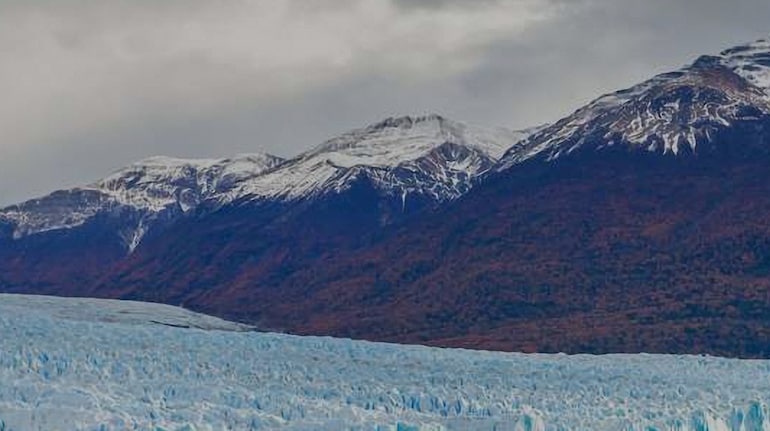
A new study has revealed that glaciers in Arunachal Pradesh are shrinking at an alarming rate, raising concerns about potential flooding and long-term water shortages in the region. Conducted by researchers from Nagaland University, Lumami, and Cotton University, Guwahati, the study highlights significant glacier retreat over the past three decades and its impact on local water resources.
The Himalayas, often referred to as the ‘Third Pole’, house the largest concentration of glaciers outside the polar regions. These glaciers play a crucial role in providing freshwater to over 1.3 billion people downstream. However, rapid glacial melting due to climate change is threatening the region's water security and ecological stability.
The study, led by Dr. Latonglila Jamir of Nagaland University and Dr. Nabajit Hazarika of Cotton University, was recently published in the Journal of Earth System Science. It provides crucial insights into glacier changes from 1988 to 2020 using Remote Sensing (RS) and Geographic Information Systems (GIS).
According to the study, glaciers in Arunachal Pradesh are retreating rapidly, with smaller glaciers melting faster.
Explaining the consequences of this rapid melting, Dr. Latonglila Jamir warns that the effects extend beyond the immediate Himalayan region. Initially, rapid glacial melting increases water flow, causing flooding and unstable river conditions. Over time, as glacial mass reduces, freshwater availability will decline, affecting agriculture, drinking water supplies, and hydropower generation. The formation and expansion of glacial lakes pose a significant risk, as Glacial Lake Outburst Floods (GLOFs) can cause catastrophic damage to downstream communities.

Discover the latest Business News, Sensex, and Nifty updates. Obtain Personal Finance insights, tax queries, and expert opinions on Moneycontrol or download the Moneycontrol App to stay updated!
Find the best of Al News in one place, specially curated for you every weekend.
Stay on top of the latest tech trends and biggest startup news.