





Florona is a portmanteau of influenza and Coronavirus. It is not a new virus, nor a variant of the SARS-CoV-2 or COVID-19 virus, but occurs when an individual suffers dual infection (co-infection) from the COVID-19 and influenza (or flu) viruses.
Is it a new development?
No. The World Health Organisation (WHO) has a full page dedicated to explaining that people can be co-infected by the flu and COVID-19 at the same time.
Symptoms include shortness of breath, loss of appetite, confusion, persistent pain or pressure in the chest, and high temperature (above 38°C). According to WHO, those with mild symptoms of co-infection, can be treated at home without the need of hospitalisation.
Then why is it in the news now?
Israeli newspaper Yedioth Ahronoth recently reported the country’s first case of Florona in an unvaccinated pregnant woman, who was admitted to the Rabin Medical Centre to give birth.
Why is it significant?
The winter months are known as ‘flu season’ as the weather results in lower immunity against seasonal cold and flu viruses. Vulnerable populations for both the diseases overlap and include the elderly, those pregnant, those immune-compromised (such as HIV and hepatitis patients), those with existing severe medical conditions (diseases of heart, liver and kidney), and healthcare workers.
Both the viruses cause respiratory diseases and have similar symptoms such as cough, fatigue, fever, headache, sore throat and runny nose. The symptoms for both can range from mild to fatal.
Both are also spread in similar ways – through droplets and aerosols when an infected person coughs, sneezes, speaks, sings or breathes, which land in the eyes, nose or mouth of people who are nearby (usually within one metre). Another way of being infected is through touching contaminated surfaces and then touching eyes, nose or mouth without cleaning their hands.
How can you protect yourself?
Preventive measures include social distancing, wearing of mask, frequent hand sanitisation, avoid touching eyes, nose and mouth, avoid crowded and stuffy areas, using tissues to cough or sneeze and immediately disposing it.
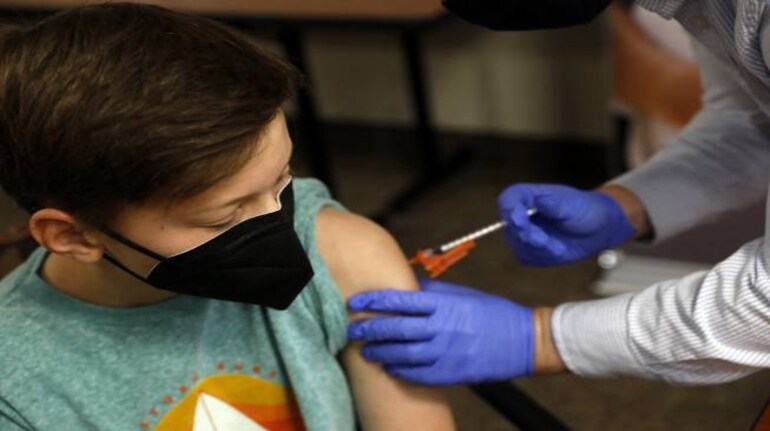
The WHO also recommends getting vaccinated. Since the vaccines are different, you will need both the vaccines. The most effective way to prevent hospitalisation and severe COVID-19 and influenza is vaccination with both the jabs, it said.
The influenza vaccine has been safely used since the 1940s for older individuals, young children, pregnant people, people with underlying health conditions, and health workers. In fact, the influenza vaccine is recommended to be taken yearly among high-risk groups.
COVID-19 vaccines are being safely administered across countries to those above 18 years of age. They include people with co-morbidities and chronic but stable conditions. Those with the history of severe allergies to vaccines or vaccine ingredients and compromised immune system will have to consult their doctors before taking the COVID-19 vaccination.
If infected, what is the treatment?
As per the WHO, treatments for COVID-19 and influenza are different.
The treatment options in use for COVID-19 at medical facilities include oxygen, corticosteroids, and IL6 receptor blockers for severely ill patients. Treatment for people with severe respiratory illness includes advanced respiratory support such as the use of ventilators. Several other treatment options for COVID-19 are currently in clinical trials.
Antiviral drugs for influenza can reduce severe complications and death, and they are especially important for high-risk groups. It’s important to remember that antibiotics are not effective against influenza or COVID-19 viruses.
Discover the latest Business News, Sensex, and Nifty updates. Obtain Personal Finance insights, tax queries, and expert opinions on Moneycontrol or download the Moneycontrol App to stay updated!

Find the best of Al News in one place, specially curated for you every weekend.
Stay on top of the latest tech trends and biggest startup news.




