




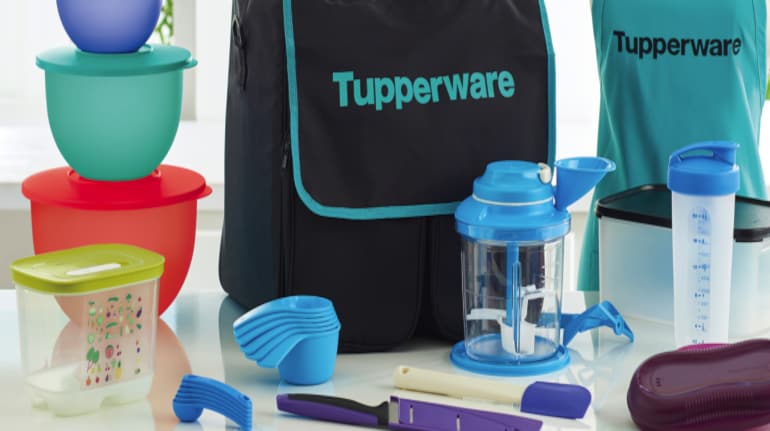
Tupperware, the American manufacturer of food storage containers, is facing an uncertain future as it struggles to raise new financing. The 77-year-old company has been trying to attract younger consumers, but its efforts have failed to boost sales, resulting in a slide in revenue.
Tupperware, which was once famous for its "Tupperware parties" in the 1950s and 1960s, where people sold plastic containers for food storage, has warned that it may go bust unless it can secure additional funds quickly.
The company has been attempting to reposition itself to appeal to a younger audience and has expanded its range to include cooking products, such as a microwave grill. It has also started selling its products in US retail chain Target in an effort to entice younger shoppers. Despite these efforts, Tupperware's financial position has deteriorated, and the company is struggling to turn its business around.
In a recent statement, Tupperware announced that it may not have adequate liquidity in the near term and that there was "substantial doubt about its ability to continue as a going concern." The company has also failed to file its annual report, which has put its shares at risk of being delisted from the New York Stock Exchange.
Tupperware has already amended its loan agreements three times since August 2022 and is struggling with higher interest costs on its borrowings. The company is currently working with financial advisors to secure more money and investment and is examining whether it can sell property and cut jobs to help raise additional funds.
Tupperware's shares dropped by almost 50% following its announcement, and its financial results for 2021 and 2022, as well as its interim figures in 2021 and the first three months of 2022, have been "misstated" due to how the company accounted for taxes and leases. Shares of the company plummeted 48 per cent on Monday.
Tupperware's founder, Earl Tupper, created the polyethylene air-tight and water-tight products with their double-sealed lid in 1946. Initially sold in department stores, the products were not immediately successful as potential customers were unsure how to use them. It was only when saleswoman Brownie Wise started selling Tupperware herself through home demonstrations that the product gained popularity. Wise used home demonstrations to find customers and recruited other salespeople to sell the goods. She was recruited as a vice president of marketing at Tupperware by Mr Tupper, helping to fuel growth at the business through parties which also allowed women to earn an income.
Read: Twitter nostalgic as Tupperware declares they may go bust. See tweetsHowever, the founder and his vice president reportedly clashed over strategy, and in 1958, Mr Tupper fired Mrs Wise. She sued the company and won a year's salary. Mr Tupper went on to sell the business.
As Twitter gets nostalgic over the uncertainty of the company's future, it remains to be the seen how Tupperware plans to consolidate its position.
Discover the latest Business News, Sensex, and Nifty updates. Obtain Personal Finance insights, tax queries, and expert opinions on Moneycontrol or download the Moneycontrol App to stay updated!
Find the best of Al News in one place, specially curated for you every weekend.
Stay on top of the latest tech trends and biggest startup news.




