
co-presented by
ASSOCIATE SPONSORS
co-presented by


ASSOCIATE SPONSORS




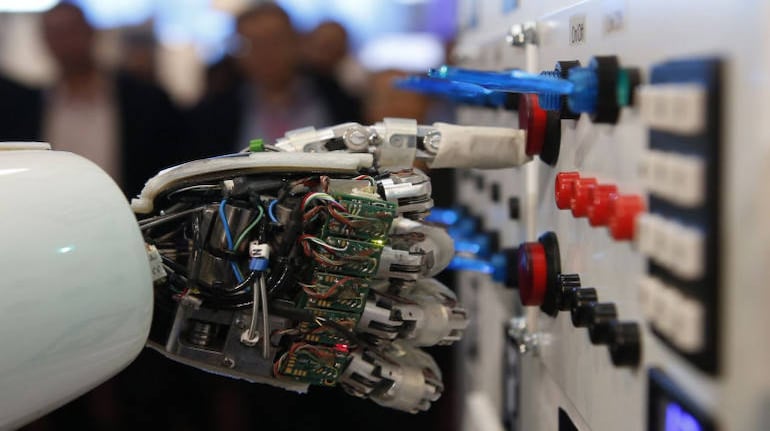
Researchers at the Massachusetts Institute of Technology (MIT) have revealed its latest robots which are so small and light that they can actually float in the air “indefinitely”.
The team of researchers managed to do this by attaching 2D electronics to colloids that are tiny particles, measuring around one-billionth to one-millionth of a meter.
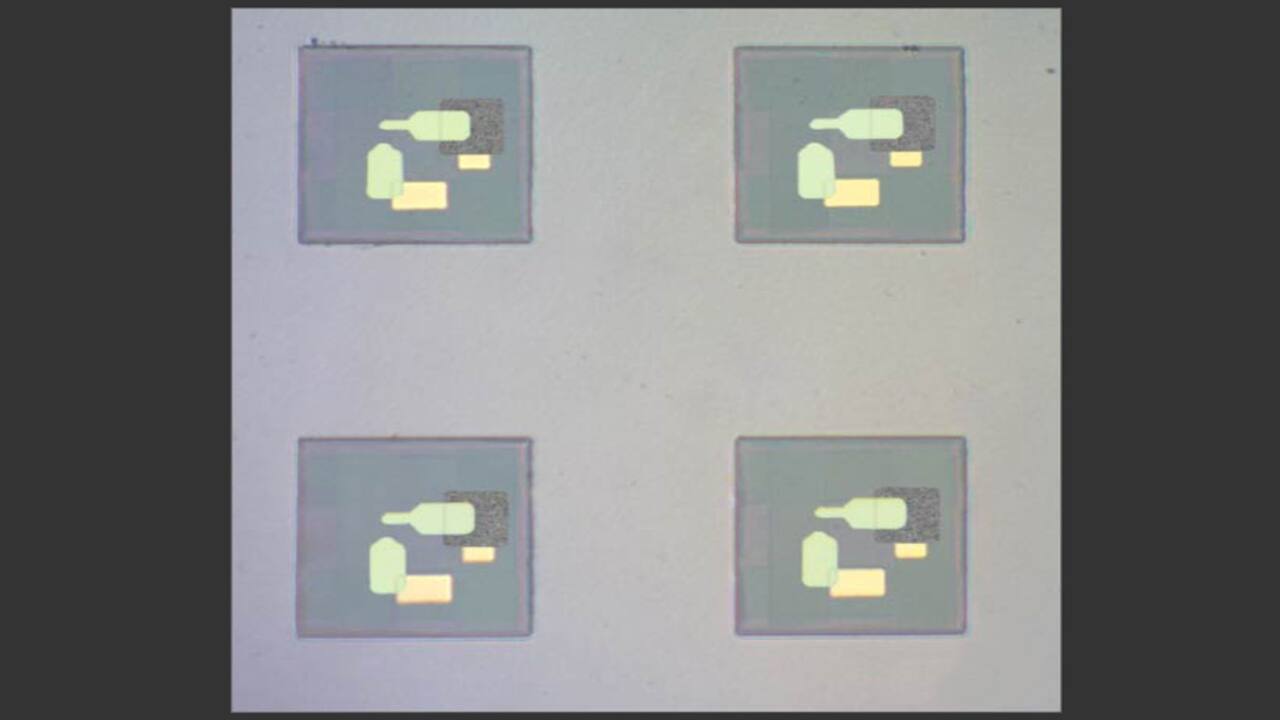 Optical images show circuits made by the research team, attached to particles just a few hundred nanometers across|MIT
As per a report by TechCrunch, the size of these robots is almost the size of a human egg cell. These tiny systems are self-powered with no need for a battery, thanks to the addition of photodiode semiconductors. The system itself converts light into a small electrical charge which is good enough to keep the environmental sensors of the device running, while it continues to store onboard information.
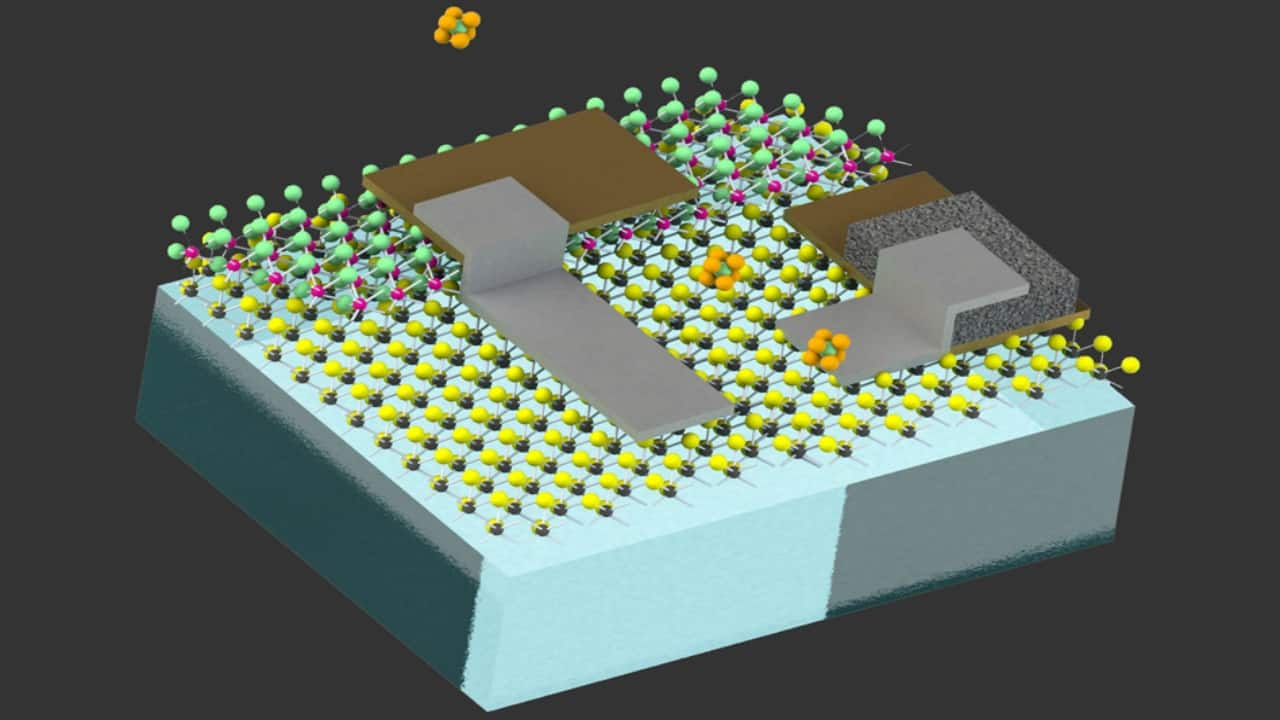 Diagram illustrates the design of the tiny devices, which are designed to be able to float freely in liquid or air|MIT
MIT plans for these robots include sending them to spots and places tough to penetrate or reach otherwise and to monitor environments. Pipelines and the human body – these are the two places MIT plans to explore using these compact robots.
The researchers hope to lay groundwork for devices that could be dispersed to carry out diagnostic journeys through anything, from the human digestive system to oil and gas pipelines.
These robots are empowered with the capability to collect critical information using the sensors, which can be downloaded from the system and analysed for future purpose.


Discover the latest Business News, Sensex, and Nifty updates. Obtain Personal Finance insights, tax queries, and expert opinions on Moneycontrol or download the Moneycontrol App to stay updated!
Find the best of Al News in one place, specially curated for you every weekend.
Stay on top of the latest tech trends and biggest startup news.