Top 3 stories
Ola Electric races to Rs 2,782 cr revenue in FY23

By the numbers
Ola Electric, the market leader in EVs, achieved remarkable progress in its consolidated revenue, which surged by 510% in FY23. However, this growth was accompanied by its net loss doubling to Rs 1,472 crore.
- The company reported an Ebitda loss of Rs 1,318 crore in FY23
This widening of losses is primarily attributed to a significant increase in expenses, particularly in marketing and employee costs.
- These expenses soared to Rs 3,383 crore in FY23 compared to Rs 1,240 crore in FY22
It is important to note that this development comes at a crucial time for the EV maker, as it is charting plans to go public by early January of 2024.
Ola Electric's roadmap
The EV manufacturer has set some targets in terms of sales, revenue, and Ebitda profitability.
- The firm is targeting an Ebitda profitability of Rs 803 crore in FY25
- It also said that its Ebitda loss will come down to Rs 950 crore in FY24 and has projected a revenue of Rs 4,655 crores in FY24
Even though EV adoption is growing, the firm has slashed its sales estimates for 2023-2025 to 0.3 million in FY24 due to the potential impact of the government's reduction in FAME subsidy.
Dig deeper
ZestMoney bites the dust

The entire fintech ecosystem experienced a tremor late last night due to the developments surrounding ZestMoney. After grappling with challenges for over a year, the Buy Now, Pay Later (BNPL) firm has officially shut down.
Tell me more
Yesterday, ZestMoney's management informed employees during a town hall meeting that the company would be winding down operations and letting go of the remaining 150 employees.
- This setback severely impacted ZestMoney's financial stability, forcing it to scale back operations significantly
The decision to shut shop came as a shock to many, as the company had recently unveiled a turnaround plan known as ZestMoney 2.0, or ZeMo 2.0, in April, following the departure of its founders.
- Under this plan, management promised salary hikes and assured variable pay to employees, instilling a sense of hope and renewed confidence
Earlier in August, ZestMoney's existing investors, including Quona Capital, Omidyar Network India, and Scarlet Capital, injected nearly $5 million to keep the business afloat.
- Unfortunately, despite these efforts, ZeMo 2.0 failed to take off as expected
A cautionary tale
Several fintech companies and investors are viewing ZestMoney's shutdown as a cautionary tale, as the firm had been under the Reserve Bank of India's close scrutiny since 2022.
- On June 20, 2022, the RBI prohibited non-bank institutions, including many 'buy now, pay later' services, from loading credit lines onto Prepaid Payment Instruments (PPI) like wallets and prepaid cards
- This directive adversely affected many BNPL businesses in India, including Sezzle and Zip
Many believe that, in addition to RBI's norms and PhonePe's withdrawal, the firm's downfall was also attributed to its inability to diversify and identify new revenue streams.
Find out more
DPDP Act rules by January-end, says Govt
The day is approaching when India's data protection law will take effect fully.
The rules accompanying the Digital Personal Data Protection (DPDP) Act, which will make the law functional for everyday use by citizens and organisations, are ready, according to the government.
Tell me more
The government expects a 12-month transition period for most of the Act's provisions, except age-gating. However, Big Tech companies and their representative industry bodies have requested a two-year transition period to comply with the law.
- The government must establish at least 25 rules to implement the DPDP Act
Election limbo
Chandrasekhar also said that the much-awaited Digital India Act, which is set to replace the IT Act for governing the country's internet ecosystem, is unlikely to be tabled for legislation before the 2024 general elections.
AI fever
The minister also said that India's efforts in AI development are not driven by a desire to compete with global tech moguls like Sam Altman and Elon Musk.
- The country's focus lies in harnessing AI to address pressing challenges in healthcare, education, and agriculture, sectors that directly impact the lives of millions of Indians, he said
MC Special: Bengaluru auto-rickshaw aggregators shift gears
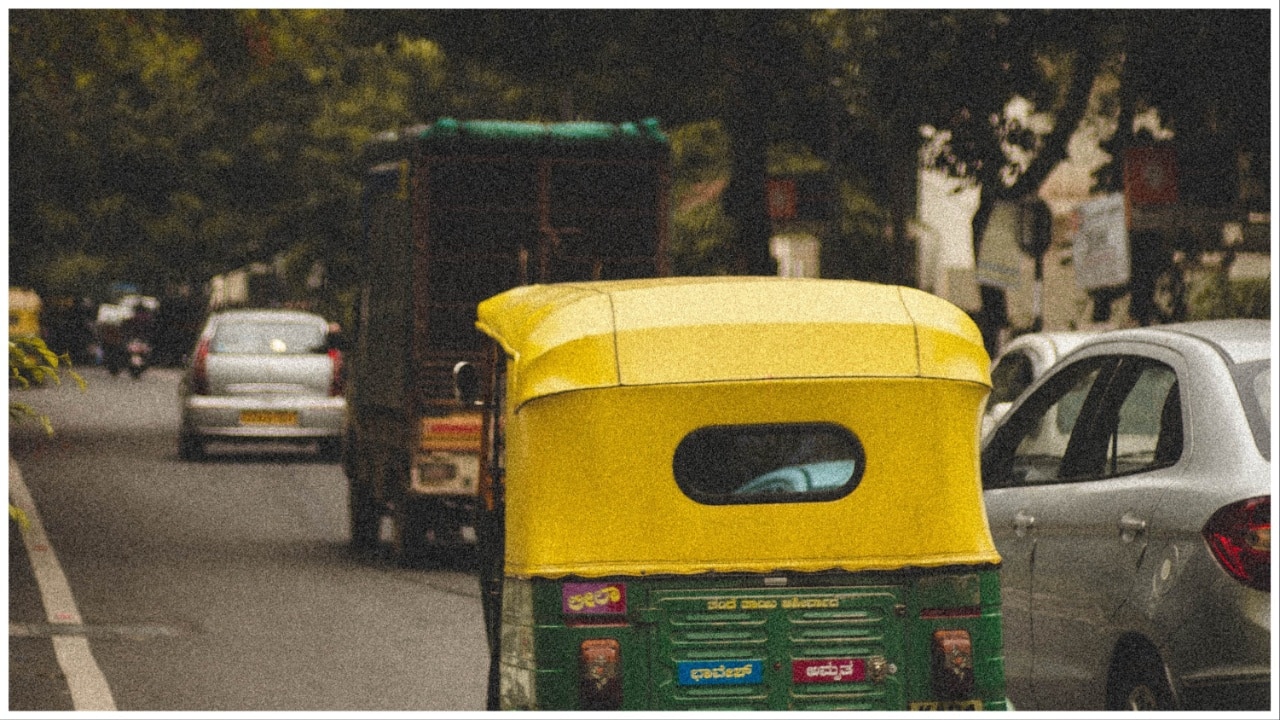
India's tech capital, Bengaluru, is harnessing technology to manage unruly auto drivers. Rapido, a ride-hailing service, is currently testing Auto Share, a pooling service that accommodates two passengers. MetroMitra, an app supported by auto drivers, is expanding its 'scan QR code and book ride' feature citywide.
Additionally, Namma Yatri, another aggregator, is now broadening its services to cover other cities and states.
- While shared autos and QR-code autos offer new options for passengers, a critical question remains: will the drivers accept the ride? Only time will unveil the answer
Dig deeper



 PREVIOUS
 QUICK HITS
 GLOBAL PICKS