 Top 3 Stories
Pine Labs adds Setu to its kitty
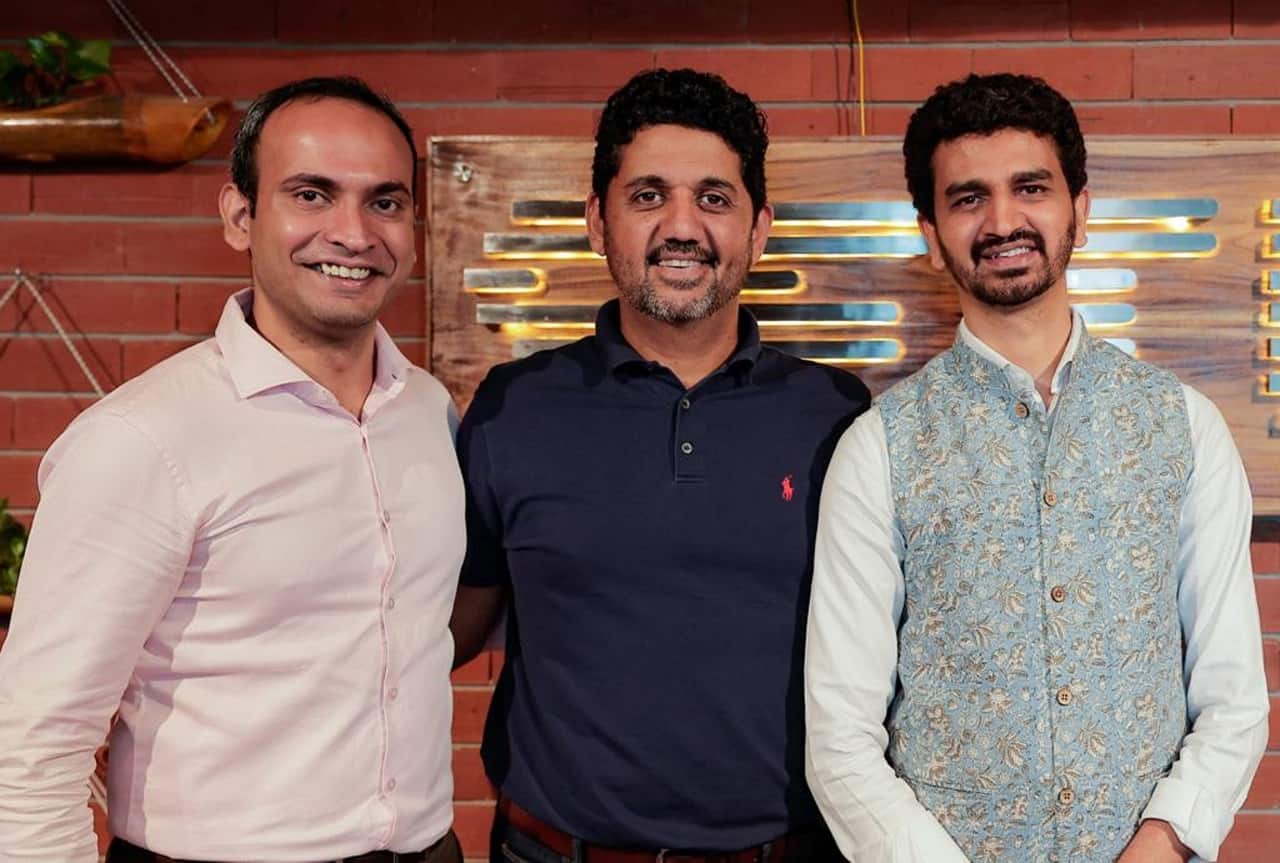
A key fintech acquisition, long in the making, has finally closed today.
What's new?
Merchant payments and lending platform Pine Labs has acquired fintech infrastructure company Setu. This comes after months of deal talks. It has been on the grapevine since February this year.
- The startup was acquired for anywhere between $70-75 million and will retain its brand, 90-100 employees and customers and continue to function independently.
What Setu does
Founded in 2018 by Nikhil Kumar and Sahil Kini, Setu offers API (application programme interface) integration for fintech players to work closely with regulated entities like banks, NBFCs and others. It offers open APIs across four categories—data, payments, investments and lending.
- Kini and Kumar were part of building Indiastack and the technology behind Aadhaar and the Unified Payments Interface (UPI), so this acquisition is as much about the founders as their products.
What's in it for Pine Labs
You all may have seen Pine Labs card swiping machines at various outlets, and yes, that has been the company's core offering. But now the company has diversified into offering an online payment gateway and Buy Now Pay Later (BNPL) services.
Setu is another bid to grow its presence and offering in the online fintech space as the company waits for the right time to float its Initial Public Offering (IPO) in the United States.
Setu's APIs for Account Aggregator (AA) and plans to grow in the Open Network for Digital Commerce (ONDC) space and Open Credit Enablement Network (OCEN) framework made the startup an attractive bet.
Pine Labs CEO Amrish Rau sees the acquisition as a bridge (English for Setu) between a payment stack and embedded finance stack that Setu offers.
Why did Setu sell
While Setu was viewed as a strong company among fintech founders, its growth and presence fizzled out over the past year. The company’s last fundraise was $15 million in April 2020, and skipped the boom of 2021.
Word is that either both or at least one of the founders wants to move on and start afresh. In that scenario, the founders were keen to sell and Pine Labs came with the best deal for Setu after talks with PhonePe and M2P Fintech failed.
Go deeper
Cashify bags $90 million in new funds
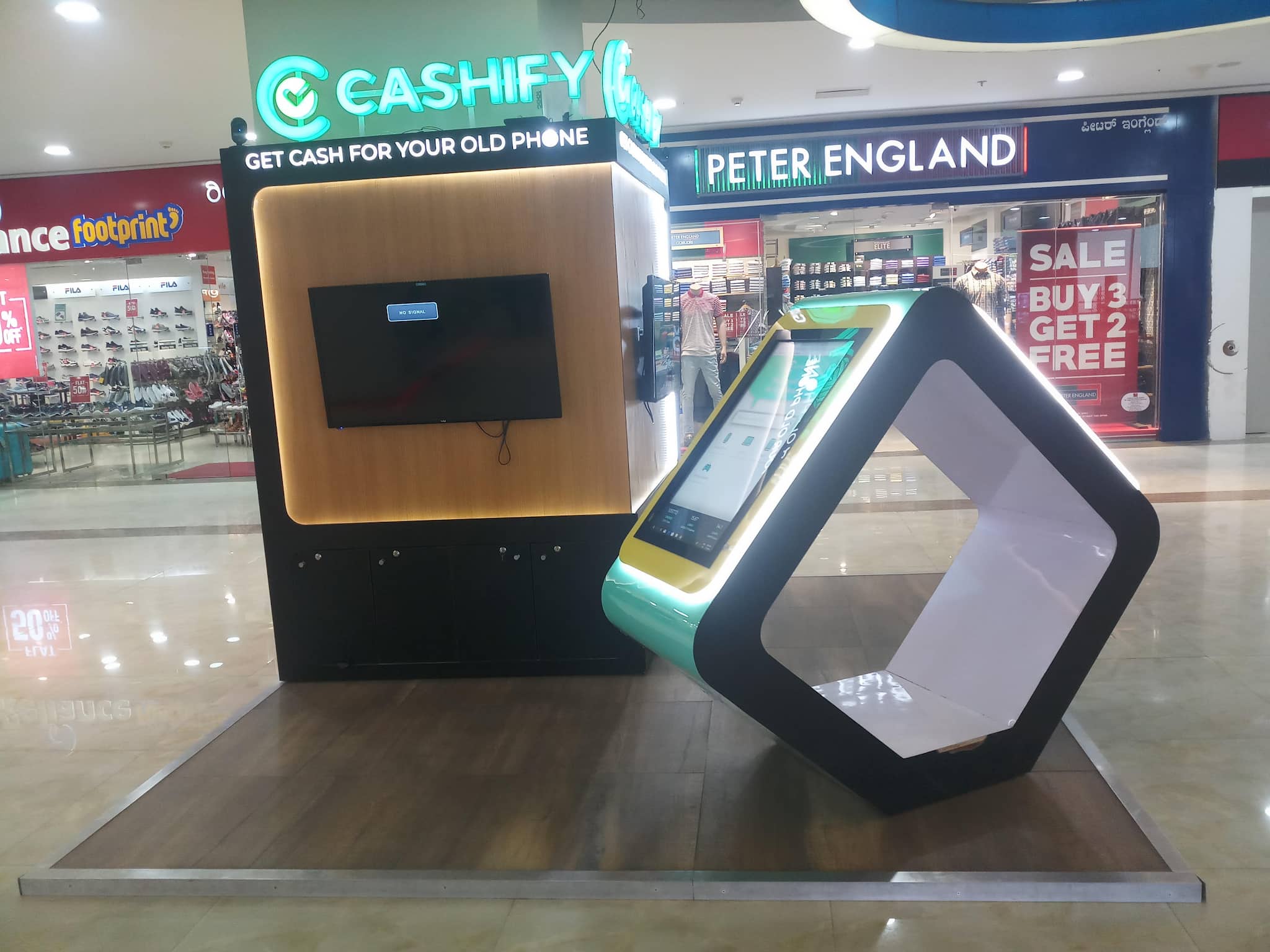
Cashify, an e-commerce marketplace for gadget exchanges and buybacks, has raised $90 million in its Series E funding led by NewQuest Capital Partners and Prosus.
- The platform currently sees more than 150,000 second hand smartphone purchases per month. India's second hand smartphone market was about $2.3 billion, according to a report by IDC.
Back story
Founded in 2013, Cashify also provides after-sale services like repair and buyback at users’ doorsteps. It plans to open brick and mortar stores, expanding its presence in 51 cities across India.
- In March 2021, the company raised $15 million in a Series D funding, led by Olympus Capital’s clean energy and sustainability arm Asia Environmental Partners.
Where will the money go?
The company said that the capital raised will be deployed for hiring, building technology infrastructure, marketing and expanding into new markets.
Last we heard
In July 2021, Cashify acquired omnichannel retail solution platform UniShop for an undisclosed amount in a cash and stock deal. Following the deal, UniShop was rebranded as PhoneShop. Unishop's founder Hitashi Garg, its tech chief Ankit Kushwaha, and its team joined Cashify.
Meta's Indian user conundrum

Tell me more
The Board recognised the disparity between the number of user appeals coming in from places like USA/Canada when compared to countries like India, which has more number of users.
- However, a mere 2 percent of appeals came from Central and South Asia combined; a whopping 49 percent came from the US and Canada.
Inference
The Board said that the lack of user appeals may indicate lack of investment on the part of Meta in non-English content moderation. It also indicated that users in such countries are likely not aware that they can appeal moderation such as content/account suspension to the Board.
Quick recap
The issue regarding Meta's alleged lack of resources for dealing with non-English content moderation was earlier also highlighted in eight complaints that Meta employee-turned whistleblower Frances Haugen filed with the US Securities and Exchange Commission.
Kota Wars: Race for India’s $500 million education hub

A full-blown war is brewing between well-funded education companies up north.
The battleground: Kota - India’s oldest and most famous higher education hub, and at stake is a $500 million education market.
What's happening?
Edtech unicorns Unacademy and PhysicsWallah have opened offline tuition centers at Kota over the last two weeks. Their entry has threatened the likes of incumbent education centres like Allen Career Institute.
These coaching classes are fearing losing market share as companies like Unacademy and PhysicsWallah, who have millions of dollars in their banks and have the latest tech infrastructure, are acquiring students at a fast clip in Kota.
Unacademy has also poached many star teachers from the incumbent coaching centers, and especially from Allen, leading to an out-an-out tussle between the two education companies.
But why Kota?
Kota has nearly hundreds of education centers, which provide direct or indirect livelihood to 200,000 people in the city.
Kota has about 3,500 hostels and 22,000 paying guest accommodation centres where students stay, people from Kota told us.
Kota’s tuition centres were among the first in the country to set up special arrangements for IIT aspirants, tying up with local secondary schools for class 12 board exams.
The students were told to concentrate more on the IIT entrance exam and not to worry about attending class 12 lectures. The model was then adopted by many coaching institutes in the country.
Is hybrid teaching the way forward?
The fight for a larger share in the offline education space comes as demand for online and remote educational services is falling, thanks to the pandemic situation normalising in most parts of the country.
But while online education companies are making forays into the offline space, some offline education companies, including Allen are entering the online space, suggesting that perhaps India's education sector, going forward will be largely hybrid.
As Unacademy's founder Gaurav Munjal said in a tweet today:
"Things are different in JEE and NEET. Learners want to go out. Parents want them to go out. More discipline is needed unlike NEET PG Learners where the intent to self learn is extremely high."





 PREVIOUS
 Tweet of the day
 QUICK HITS
 DEALS OF THE DAY
 GLOBAL PICKS