India's AI election
India’s elections are entering a new phase, powered by artificial intelligence.
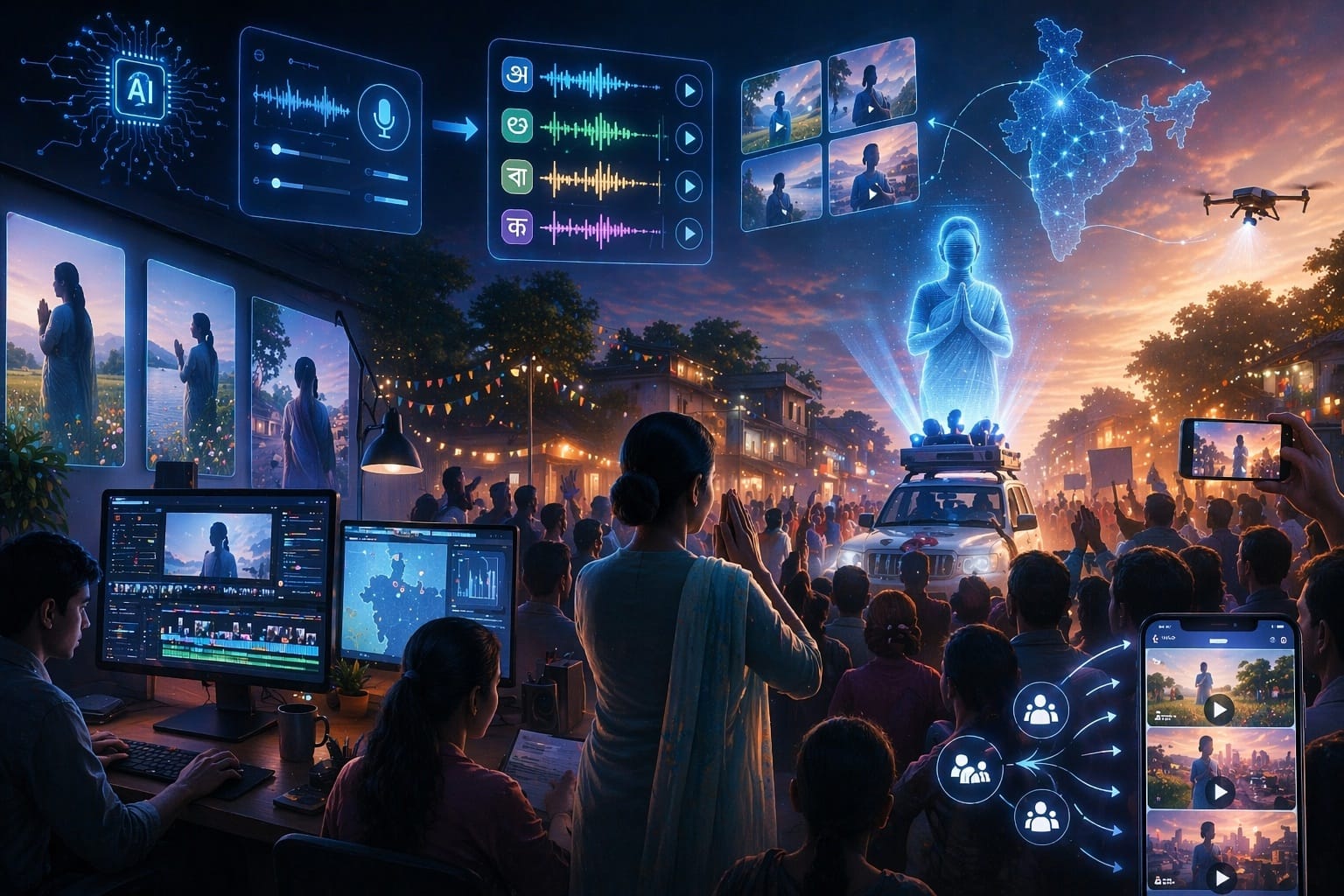
Across Tamil Nadu, Kerala, Assam and West Bengal, political parties are embedding AI into their campaign machinery, turning what was once experimental into a core strategy.
Campaigning has moved far beyond rallies and posters. Leaders can now “appear” in multiple places at once, speak in regional languages using AI voice tools, and tailor messages to specific communities within seconds.
Dedicated teams are using tools from OpenAI to ElevenLabs to speed up content creation, translation and distribution.
“We are using AI across party work, from content creation and translation to data analysis, automation, feedback processing and communication. It has helped improve speed and efficiency,” Tamil Nadu's industries minister TRB Rajaa told us.
The biggest shift is hyperlocal targetingAI enables campaigns to tailor messages down to a village or demographic group, making outreach far more personal.
WhatsApp messages, videos and AI-generated avatars are replacing static posters, creating more engaging, narrative-driven content.
Experimentation and risksTamil Nadu is emerging as a testing ground for AI-led campaigns, while Kerala is experimenting with AR, VR and gamified outreach.
But risks are rising.
Deepfakes, voice cloning and synthetic videos are blurring the line between real and fake, with lesser-known candidates especially vulnerable.
“While such cases have been limited, the risk of misuse is real as voice cloning could be used for political manipulation,” CPM leader and Kerala Minister P Rajeeve said.
With regulation struggling to keep pace, AI is set to redefine elections, but whether it strengthens democracy or erodes trust remains an open question.
Read more
Your next coworker might be an AI agent
For the past two years, AI copilots have been everywhere: writing code, drafting emails, and summarising meetings. They made software faster, smarter, and more assistive. But they still depended on one thing: humans.
Now, that dependence is beginning to evolve.
From assistance to action
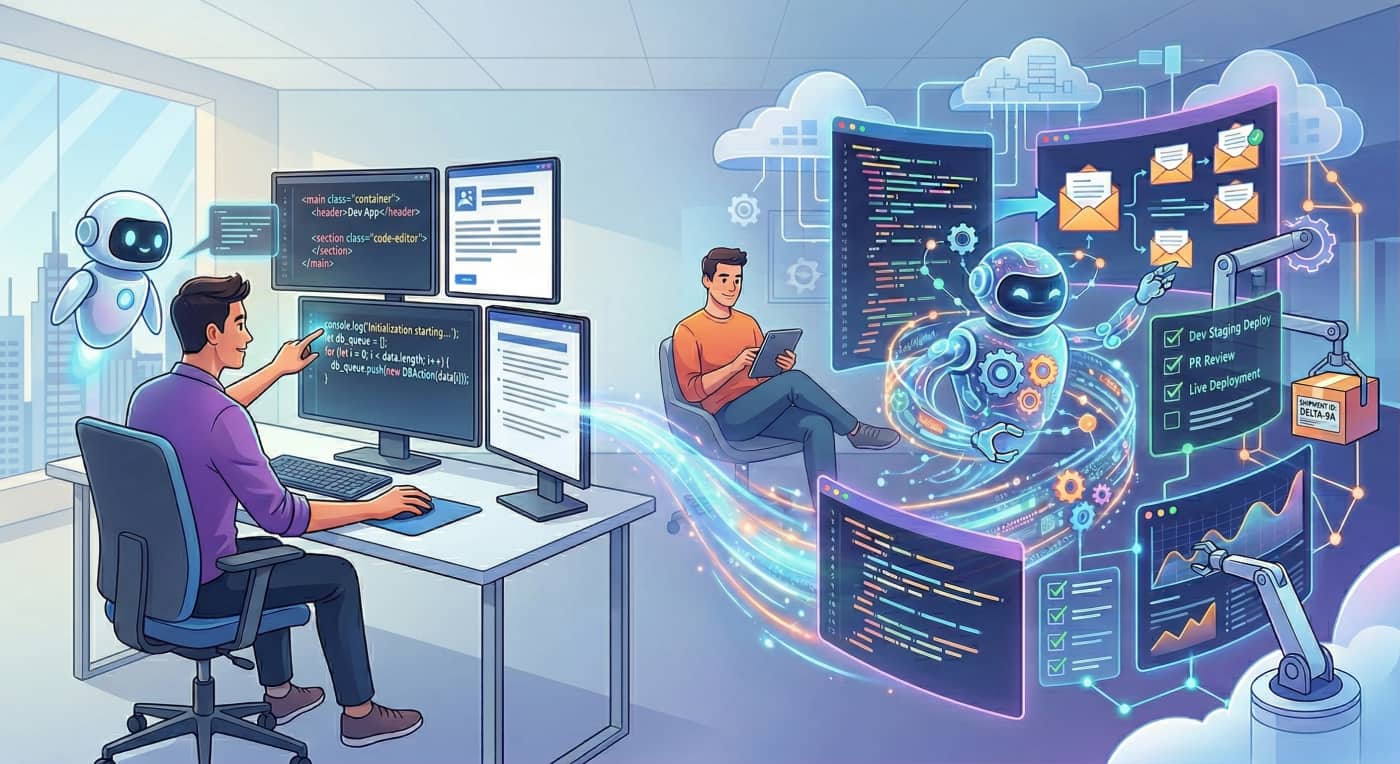
Enterprise software is entering a new phase, one where AI doesn’t just assist, but acts. The shift from copilots to agents is quietly redefining how software is built, sold, and used. At the centre of this transition is a new model: Agent-as-a-Service (AaaS).
Unlike copilots, which respond to prompts, AI agents are designed to execute tasks end-to-end. Think less “help me do this” and more “get this done.”
Whether it’s hiring workflows, customer support, or finance operations, agents can increasingly handle multi-step processes with minimal human intervention.
A structural shift, not an upgrade
This is not just an incremental upgrade, it’s a structural shift.
As SuperOps’ Arvind Parthiban puts it, copilots are reactive, while agents are proactive and outcome-driven. In other words, software is moving from being a tool to becoming a doer.
We are already seeing agents that can:
Source candidates and schedule interviews autonomously.
Trigger complex workflows across siloed apps.
Make real-time decisions within defined business boundaries.
Backed by advances from players like Anthropic, these systems are starting to interact with multiple tools, effectively stitching together what used to be siloed software experiences.
The UI question
The implications are profound.
First, the role of user interfaces may shrink.
If agents operate software on behalf of users, the need to navigate dashboards and workflows reduces. This opens up the possibility of “headless SaaS”, systems that run in the background, invisible but active.
Rethinking pricing
Second, pricing models are being challenged. Traditional SaaS relies on per-seat pricing. But if fewer humans are needed, what happens to that model?
The industry is already exploring consumption-based and even outcome-based pricing, charging for work done, not users onboarded.
The risk layer
This transition is however far from smooth.
Agents introduce new risks, from hallucinations to security concerns. Enterprises are wary of handing over control without clear accountability.
There are also deeper business challenges: thinner margins, rising AI infrastructure costs, and growing pressure on recurring revenue models.
SaaS, redefined
Despite the hype, SaaS is not going away. If anything, it is being repositioned.
As Freshworks founder Girish Mathrubootham notes, agents may be the “brain,” but SaaS remains the “memory and nervous system.” Agents will sit on top of existing systems, not replace them.
What we’re witnessing, then, is not a SaaS extinction event, but a reinvention.
The future of enterprise software may not be something you use. It may be something that works for you.
Read the story
ARR in the AI era
For years, crossing $100 million in annual recurring revenue (ARR) — a metric meant to signal stable, predictable income — marked a startup’s arrival.
Now, as AI startups like app-building platform Emergent hit that milestone in months, the number is back in focus — not for how fast it’s being reached, but for what it actually measures.
Emergent sets it off: A milestone hit fast, and questioned faster.
Emergent, which lets users build software using prompts, said it hit $100 million in annual recurring revenue within eight months of launch.
The speed is striking — but it has also reopened questions about what this number actually represents in AI businesses.
What once signalled a predictable scale now increasingly reflects early momentum.
Also Read: Emergent’s $100 million ARR puzzle: What counts as revenue in the AI era
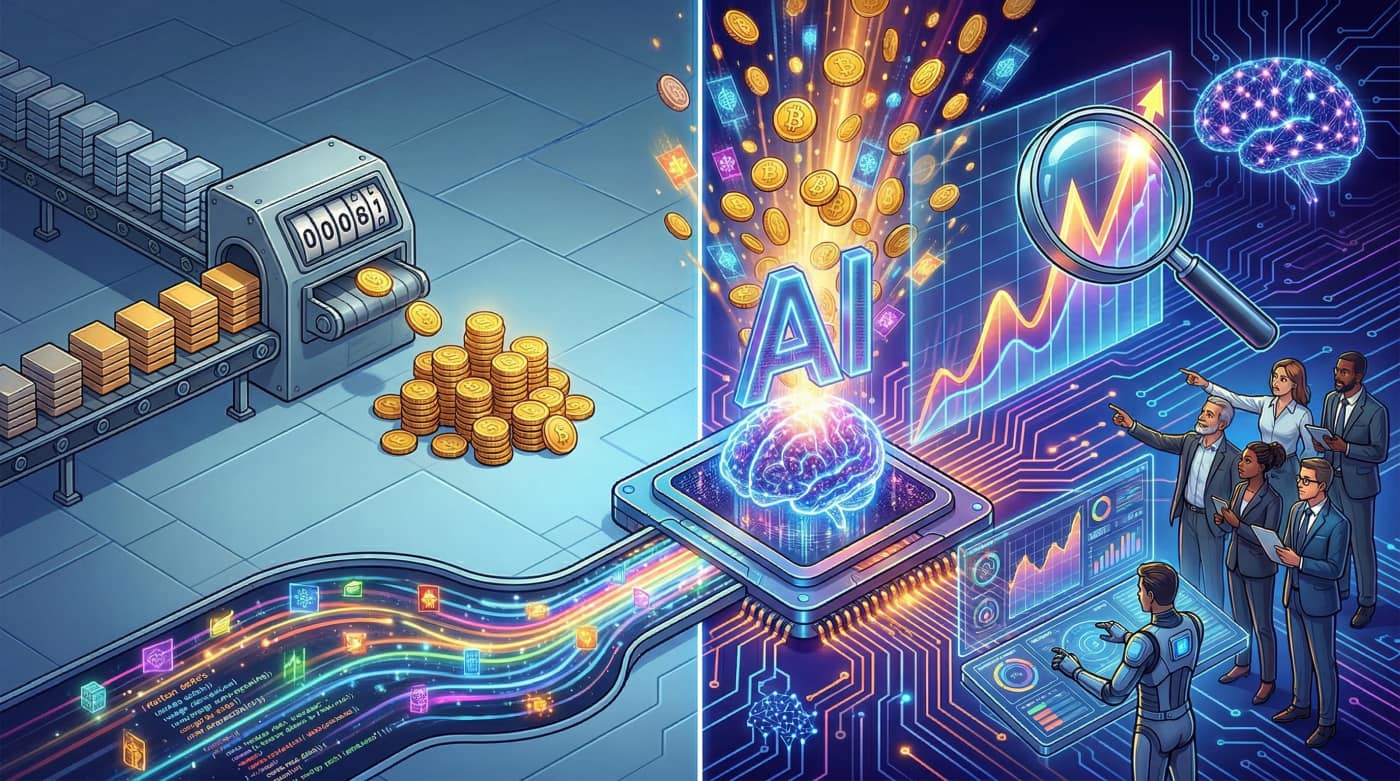
From contracts to clicks: Revenue is no longer booked, it’s consumed.
In traditional software-as-a-service (SaaS), this metric came from subscriptions — fixed contracts that made revenue predictable.
AI companies, however, earn largely through usage, be it from tokens consumed to queries run and applications built.
“What many AI companies are calling ARR is really an annualised run rate combining subscription and usage,” Freshworks founder Girish Mathrubootham told us.
Run rate, not locked-in: Many AI startups now calculate ARR by annualising recent monthly revenue, rather than relying on signed contracts.
A strong month can therefore translate into a large annual number, even if that level of activity isn’t guaranteed to hold.
This shifts ARR from a measure of visibility to a measure of velocity.
Also Read: Many varied ways ARR is measured nowadays but cash collections are indisputable: Vinod Khosla backs AI portfolio company Emergent
Revenue that breathes: Growth is real, but not always smooth.
In usage-driven models, spending can spike during periods of heavy activity and taper off once that work is done.
“It’s not recurring in the traditional sense… but users keep coming back because they continue to build,” said Manav Garg of Together Fund.
The result is revenue that repeats over time, but in uneven cycles rather than steady streams.
Same usage, different ARR: Some companies report gross revenue billed to customers, while others account for infrastructure costs and report a net figure.
This means similar levels of customer activity can translate into very different ARR numbers depending on how they are constructed.
The lack of standardisation has made like-for-like comparisons across companies increasingly difficult.
Definition vs interpretation: The formula may stay, the reading is changing.
Some founders argue metrics like ARR should remain unchanged, regardless of how business models evolve.
Others are adapting, focusing less on the number itself and more on how revenue behaves — its consistency, volatility and durability.
“My view is that the current week into 52 is the best way to define ARR,” said Aakrit Vaish, founder of AI-focused VC fund Activate, pointing to a shift in how investors interpret the metric.
What ARR tells you now: ARR continues to indicate scale and growth, but in AI it often reflects current momentum rather than long-term predictability.
“AI is more like the internet…not SaaS,” Vaish said, underlining the shift in how these businesses behave.
The milestone is the same, but as Emergent shows, it now reflects momentum as much as predictability.
Read the story
India's chip push under Strait stress
When oil routes choke, chip dreams feel the pressure
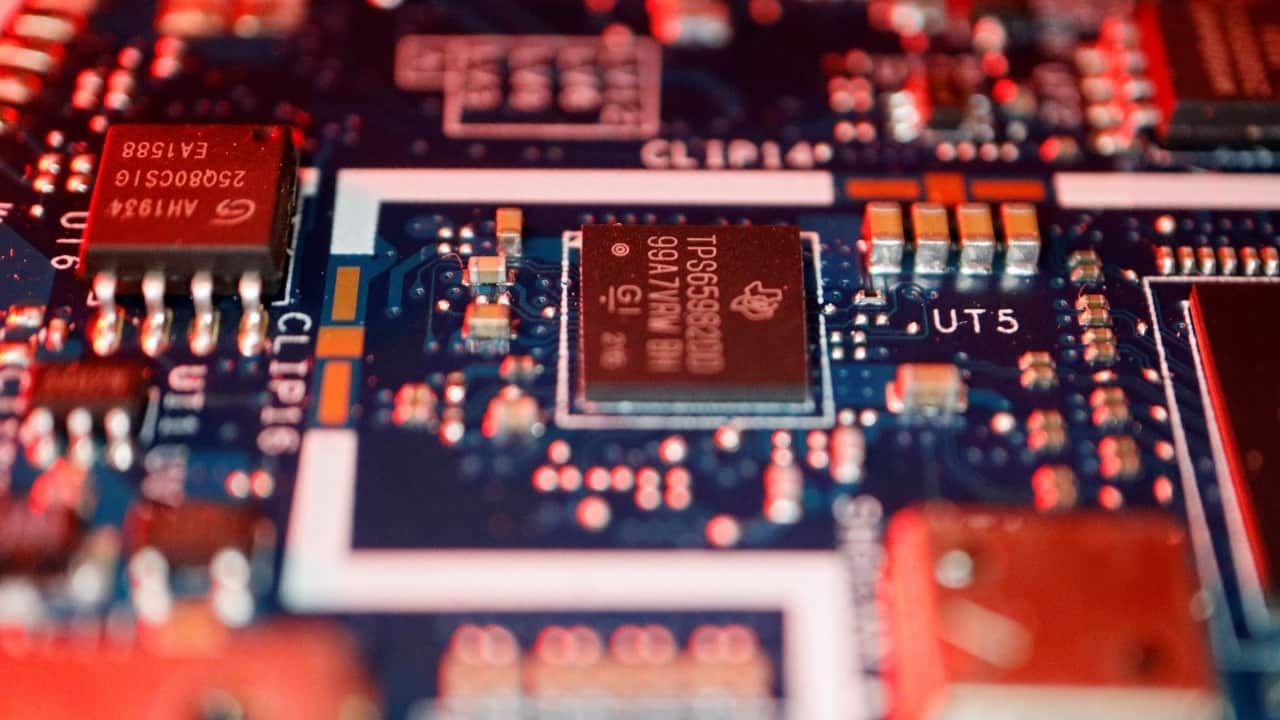
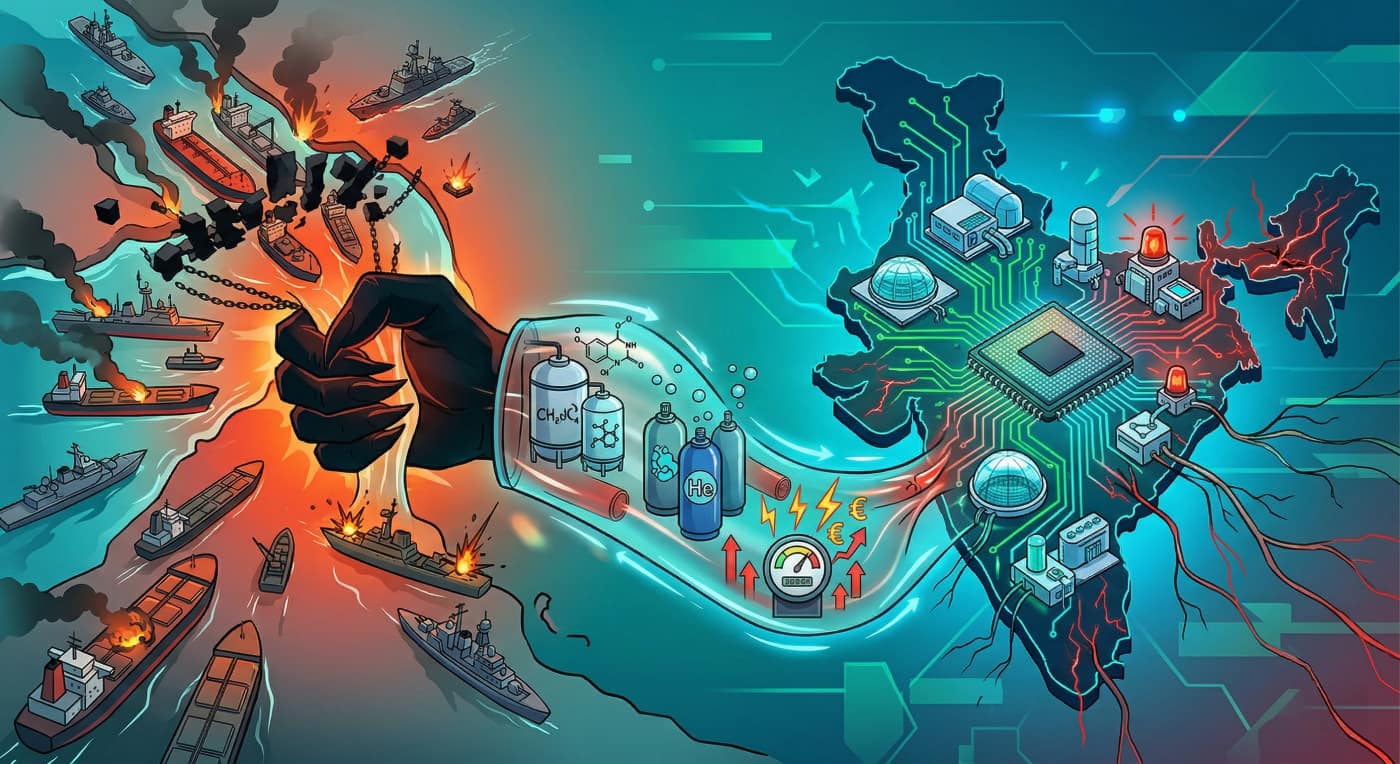
India’s semiconductor ambitions haven’t hit a wall yet — but the Strait of Hormuz disruption is starting to squeeze the system.
On paper, things remain on track. Government officials maintain that the rollout of India Semiconductor Mission 2.0 is progressing as planned.
However, beneath that, the operating environment is getting more uncertain — not because of domestic delays, but because key global supply links are under stress.
The first pinch – helium and specialty gases
The most immediate constraint is in industrial gases, particularly helium — a non-negotiable input in semiconductor manufacturing with no viable substitute.
A large share of global helium supply comes from Qatar, tied to LNG production. With shipping routes disrupted, supplies into Asia are tightening.
With just 4–8 weeks of buffer inventory, Indian OSAT players could hit allocation mode within weeks, prioritising critical output before any full-scale disruption, experts tell us.
Also Read: IT committee flags funding cuts, delays in MeitY’s AI, semiconductor push
The quieter risk: Petrochemicals
The second layer of stress sits in petrochemical feedstocks like naphtha, which are essential for semiconductor packaging and printed circuit boards.
This is where the impact broadens beyond chips into the wider electronics ecosystem. India's dependence on imported upstream inputs means any Gulf-linked disruption quickly translates into cost pressures and procurement delays.
Energy – the binding constraint
If gases and chemicals slow the system, energy has the potential to reshape it.
Semiconductor manufacturing, packaging, and AI infrastructure are all power-intensive. With LNG tightening and oil prices firming, costs are rising across the board.
Higher energy costs are likely to trigger a mix of margin compression, delayed expansion plans, and gradual increases in compute pricing, experts told us.
Also Read: Geopolitical risks and GPU arbitrage raise questions over IndiaAI Mission’s compute push
A reality check for India's AI ambitions?
The pressure isn’t just on supply — it could begin to reflect on demand as well.
Rising energy and memory costs may force companies, especially data centre operators, to rethink capital spending.
Slower capex cycles in energy-intensive sectors could dampen semiconductor demand even before supply constraints fully play out.
The Hormuz disruption isn’t derailing India’s semiconductor ambitions — but it is revealing how exposed the ecosystem remains to external shocks.
The near-term risk is less a shutdown and more a slowdown: tighter supplies, higher costs, and reduced execution flexibility.
Read the story
Comfortably dumb...
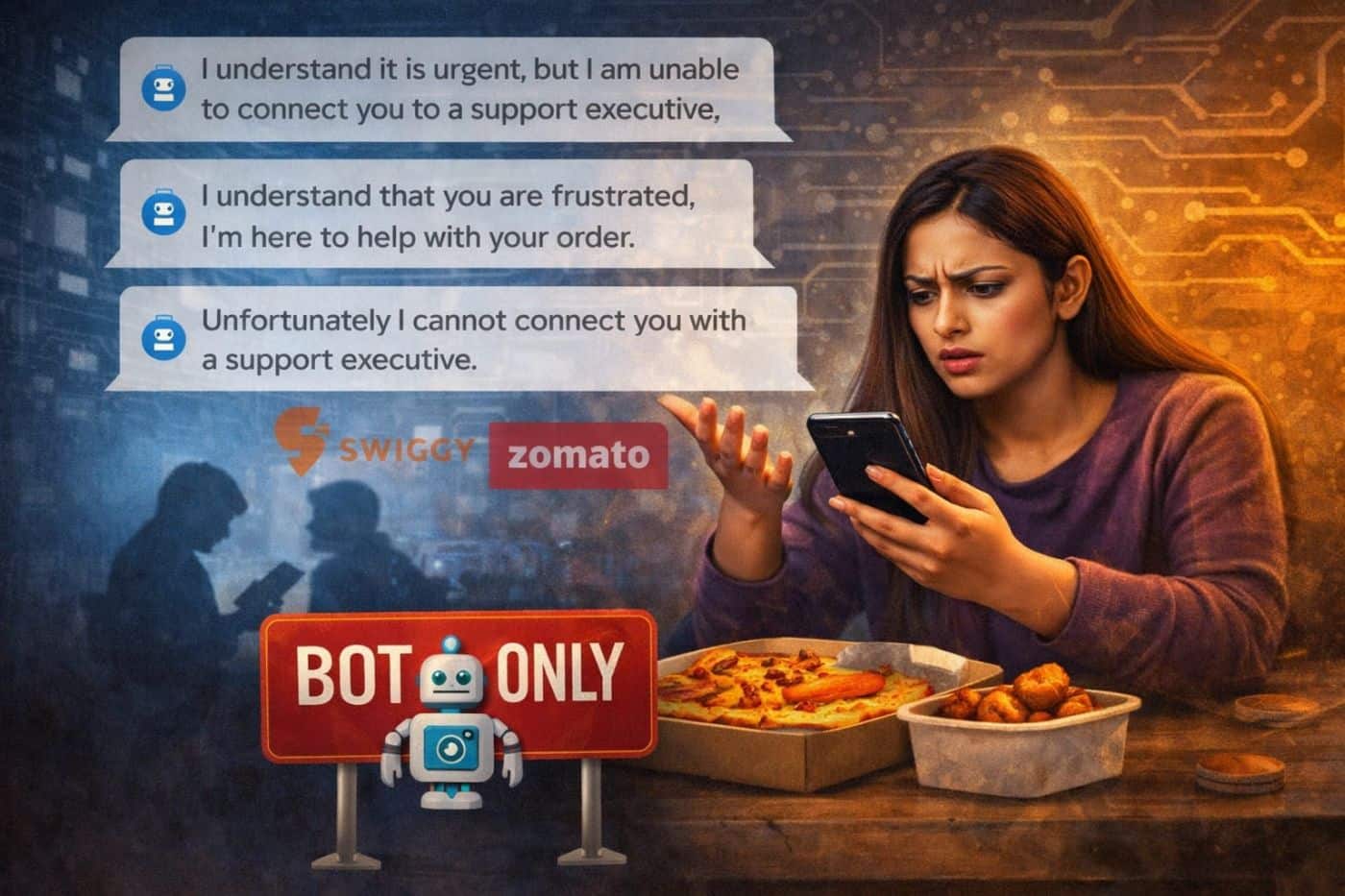
You've ordered dinner after a long workday. You open the box… and something's off. It’s not what you ordered, or something’s missing. Instead of eating, you're stuck in a digital loop with a chatbot trained to apologize, not resolve.
Food delivery support is starting to feel like an order that keeps getting sent back to the kitchen, acknowledged, remade, but never quite served.
Bots run the floor: Support is increasingly automated, but also increasingly scripted.
Swiggy and Zomato are leaning heavily on AI chatbots to handle customer queries at scale, especially for repeat issues.
For standard complaints like missing items or wrong orders, predefined flows often resolve issues quickly.
“There are a bunch of predictable complaints where automation works really well… it’s inefficient to route those to a human agent,” said Srinivasan Subramani of Clevertap.
Orders get stuck: The friction shows up when complaints don’t fit neatly into preset categories like partial deliveries or context-heavy quality issues.
“It’s like you’re trying to explain something specific, but the system only understands fixed options,” said Gurugram-based consultant Ankit Sharma.
In such cases, the complaint gets acknowledged and routed, but resolution often remains out of reach.
Friction on purpose: Some of the resistance is built into the recipe.
The shift to chatbots is driven by cost control at scale, where handling millions of queries through humans becomes expensive.
It also helps limit misuse, after years of easy refunds and complaint escalations.
“In some cases, systems are deliberately designed to add a bit of friction… if you make it too easy, you risk abuse,” Subramani said.
Spillover to kitchens: When platforms tighten, the mess moves elsewhere.
Restaurants say genuine complaints are becoming harder to resolve, even as frivolous ones are filtered out.
“When there is a genuine problem…these chatbots are causing an increase in friction,” said Pranav Rungta of Churchgate Hospitality, which operates premium dining restaurants.
Customers are also reaching out directly to restaurants, even when the issue lies with the platform or delivery.
Not boiling over: The heat is rising, but not enough to trigger action.
Only about 5–10% of orders face issues, as per industry estimates, limiting any visible impact on overall demand.
At scale, though, that still translates to hundreds of thousands of problematic orders daily.
For now, the friction remains a user-side problem, not an industry-level flashpoint.
Next course: Human support may not disappear, it may just get gated.
“Over time, faster resolution or access to a human could become a premium offering,” said Satish Meena of Datum Intelligence.
The model is evolving toward AI as the first layer, with humans reserved for complex or high-value cases.
Until then, the system holds, efficient for most orders, but frustrating when things go off-script.
Read the story
Was this newsletter forwarded to you? You can sign up for the AI Edge here. And don’t forget to sign up to Tech3, our daily newsletter that breaks down the biggest tech and startup stories every weekday evening.

Adobe's next act
For years, creating great digital content meant mastering complex tools and controls on products like Photoshop and Illustrator.
But the generative AI era is changing that. Instead of navigating layers of menus and controls, users can now simply describe what they want to create and see it appear.
The result? Lower barriers to creativity and far more people able to create digital content.
"Adobe's mission has been creativity for all for the longest time, but it has been challenging for us to truly deliver on that mission," Govind Balakrishnan, a global product veteran at Adobe, told us in an exclusive interview.
As more tools and capabilities are added over time, the software also becomes more complex for users to learn and use them.
Enter Adobe Express
Adobe Express is Adobe's answer to this new era of creativity. The app brings together the best of Adobe’s creative and AI capabilities in a simple interface that lets anyone create photos, videos or designs within minutes.
"We are on a path to completely reimagine creativity," said Balakrishnan, who oversees the business strategy, product management, and engineering for Adobe Express.“With a conversational-first interface, we believe that we are reimagining how people use these creative tools by removing many of the barriers and giving them the ability to express their ideas and see it show up.” he added.
The idea is simple: when users open the app, they see a prompt bar asking what they want to create. They don’t have to know where the tools or templates are.
The tools are still there — but users only need them when they want finer-grained edits.
This approach builds on similar conversational experiences across Adobe’s wider product ecosystem, including Photoshop, Firefly and Acrobat.
Why Adobe Express matters to Adobe’s future
Adobe Express is now a critical part of the company's future growth strategy, serving as its direct answer to the wave of AI tools from startups and tech giants that have made content creation faster and more accessible than ever.
It also comes as Adobe prepares for a leadership transition. Longtime Indian-American CEO Shantanu Narayen is set to step down after 18 years at the helm.
During his tenure, Adobe moved from boxed software to cloud-based subscriptions, dominating the creative tools market.
Now in the generative AI era, Adobe is now betting that products like Express will power its next phase of growth.
Also Read: Real value for customers is in interface, not in data or AI models: Adobe CEO Shantanu Narayen
Telco and product integrations
A major priority for Adobe Express is expanding its reach to new users.
"In this new age where things are continuing to evolve at a very rapid pace, our goal is to meet the customers where they are and not require them to go and find us," Balakrishnan said.
Adobe is building integrations for Express across its suite of applications.
For instance, users in Adobe Acrobat can edit images, stylise documents or generate presentations using Express. They can also turn still Photoshop assets into animations or videos.
The company is also expanding distribution through partnerships.
Offering a premium version of Adobe Express free for one year to 360 million Airtel users, including professional design, video and AI-powered creative tools worth Rs 4,000.
A multi-year partnership with the Premier League to bring AI-personalised digital experiences to fans, allowing them to design badges and kits for Fantasy Premier League teams using Adobe Express.
Integration with OpenAI's ChatGPT to generate and edit designs
As the creator economy expands and AI tools become more powerful, Adobe expects the next chapter of digital creativity will be defined by simpler, more intuitive software.
Read the story
Picture abhi baaki h(AI)
AI assemble!
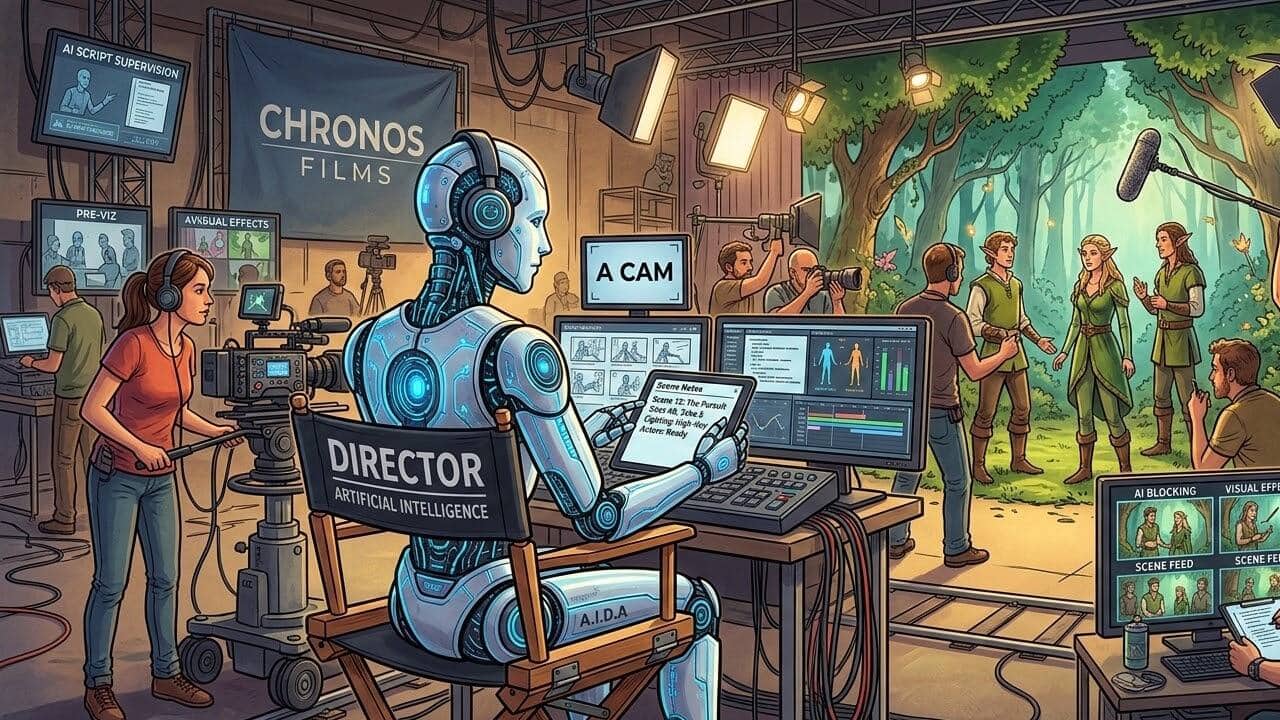
That’s what filmmaker M.S.N. Karthik did when he produced his latest short film—Unmasked.
Instead of the usual army of camera operators, lighting technicians and VFX artists, the eight-minute supernatural thriller was largely made by one person—armed with a stack of AI tools.
Unmasked kept audiences hooked at the Delhi AI Film Festival.
But Karthik’s film is not just a festival experiment. It’s a glimpse into what filmmaking might soon look like.
Ways AI is changing filmmaking
According to Sanket Shah, founder of AI video platform Invideo, the disruption is happening in big ways.
Pre-visualisation as directors no longer rely on rough sketches to imagine scenes.
AI can simulate lighting, camera angles, backgrounds, time of day—all before a single frame is shot.
Expensive scenes—like car crashes or large action sequences—can now be generated digitally rather than staged physically.
In animation, Shah says work that once required 30 people for two months can now potentially be done by one person in days.
AI co-director: Behind the scenes, Karthik built a custom AI production pipeline instead of a traditional film crew.
His toolkit included:
Multiple video generation models
Image generation systems
Lip-sync engines
Upscaling tools to bring visuals close to 4K quality
He generated over an hour of footage to produce the final eight-minute film but only 5–10% of that footage actually made the final cut.
Why so much excess? Because AI filmmaking is extremely iterative.
“You generate a shot, edit it, and if it doesn’t work, you regenerate it immediately,” Karthik says. “That kind of flexibility never existed in traditional filmmaking.”
Also Read: Cinema’s next act: Faster, smarter, still human as AI rewires the film industry
AI film infrastructure
Production houses are already investing in dedicated AI systems.
At Collective Artists Network, Rahul Regulapati says AI is becoming the production layer across the entire filmmaking pipeline.
The company has built its own AI cinematic operating system called Galleri5 AI Studio.
“AI runs the heavy lifting while the director retains authorship,” he says.
The new AI film toolkit
Other studios are building their own AI stacks too like Studio Blo which uses tools like Flux, Stable Diffusion, Kling, Nano Banana Pro.
CEO Dipankar Mukherjee said they have also built an internal AI engine that can generate entire film worlds—from characters to environments—from a creative brief.
Meanwhile, Eros Innovation is building its own AI infrastructure using Large Cultural Models (LCM) trained on 12,000 films and 1.5 trillion tokens of cultural data.
Also Read: Beyond ChatGPT: Eros' Ridhima Lulla bets on its culture-first AI to rewrite Indian storytelling
Cheaper films, faster production: Traditional filmmaking requires physical sets, location scouting, large crews, expensive VFX.
AI workflows replace many of these steps with virtual environments and automated pipelines.
Karthik estimates that large-scale films could eventually be produced at just 1–2% of traditional budgets.
For independent filmmakers, that could be revolutionary as currently, directors need studio backing or streaming platforms to greenlight projects.
New jobs in the AI film industry
AI filmmaking is also creating entirely new roles, including -
AI pipeline architects
AI-VFX supervisors
Identity system managers
Model fine-tuning engineers
Hybrid previs artists
First wave of AI films
Several projects suggest AI cinema may reach mainstream audiences soon.
Shekhar Kapur is working on an AI-generated sci-fi film called Warlord.
Ajay Devgn has announced Bal Tanhaji, an AI-driven prequel to Tanhaji.
Abundantia Entertainment's AI division has a slate of six films in the works.
Collective Artists Network is developing multiple AI-assisted films and series.
Also Read: 'Have met every Bollywood studio': Talent, not tech, is real bottleneck in AI filmmaking, says Invideo CEO at AI Summit
The risks: The excitement comes with concerns.
Questions around copyright, training data, and job displacement remain unresolved.
“The biggest risk isn’t the technology,” says Regulapati. “It’s using it without systems—without rights protection, governance or production control.”
The bottomline
For Karthik, the lesson from Unmasked is simple—AI might change how films are made but it won’t replace the storyteller.
“AI is just a tool,” he says. “The emotion, the imagination—that still comes from humans.”
Read the full story
IT doesn’t buy AI-steria
Indian IT walked into the Nasscom Technology & Leadership Forum (NTLF) 2026 under a cloud of AI anxiety. The Nifty IT index had just seen one of its sharpest sell-offs in years, triggered partly by fears that frontier AI tools could compress traditional services work.
But on the ground, the industry’s response was remarkably restrained.
If markets were pricing disruption, executives were busy explaining complexity.
The mood mismatch
HCLTech CEO C Vijayakumar perhaps captured the tone best, calling the market reaction to IT stocks “overblown” even as he acknowledged the industry is entering a “painful” AI transition that will force reinvention.
That framing defined much of NTLF 2026. AI dominated conversations, however, panic did not.
Instead of announcements or defensive messaging, discussions repeatedly returned to execution realities, i,e., integration effort and how services firms evolve when productivity rises faster than revenue.
A senior analyst attending the event summed it up bluntly: “For me it was all about AI and how AI is impacting services… What will be the role of service providers in this world?”
A forum defined as much by absences as presence
NTLF’s signals came as much from absences as speeches.
Global participation appeared thinner than usual, with fewer international enterprise voices.
Representation gaps extended domestically too. Several mid-tier IT firms were missing, and among the Big Five, Tech Mahindra did not participate, narrowing the industry’s collective voice at a time of structural transition.
The quieter attendance strengthened a broader sense, i.e., the industry is still forming its AI narrative rather than projecting certainty.
Anthropic becomes the shadow speaker
While Indian IT leaders occupied the stage, one company repeatedly dominated stage and hallway conversations: Anthropic.
Its claims around sharply reducing the cost and complexity of legacy modernisation through AI coding tools had rattled investors globally and triggered fears that automation could weaken outsourcing demand.
Yet executives across companies pushed back against the assumption of immediate disruption.
Wipro COO Sanjeev Jain said enterprise AI deployment involves “much more work than it appears,” requiring integration across both client and internal systems along with responsible AI governance layers.
Cognizant Chief AI Officer Babak Hodjat echoed this view, arguing enterprise AI is an “engineered discipline” requiring deep architectural understanding rather than plug-and-play deployment.
Infosys delivery executive Satish HC similarly described AI adoption as akin to “open heart surgery” for enterprises, highlighting the depth of system changes required.
Together, these comments formed a consistent counter-narrative: AI accelerates productivity minus the engineering complexity.
Pricing anxiety replaces growth talk
Unlike earlier technology cycles driven by cloud optimism, conversations at NTLF also centred on economics.
McKinsey senior partner Noshir Kaka told us that enterprises are not reducing technology spending, with roughly 20% of budgets now allocated to data and AI initiatives. However, about 70% of that spend is being repurposed from existing services budgets rather than entirely new demand.
That shift explains investor nervousness. AI may expand opportunity long term while compressing near-term deal sizes and pricing structures.
Nasscom leaders stressed on this paradox. Fractal co-founder and Nasscom vice chairperson Srikanth Velamakanni said AI could reduce modernisation costs from roughly $15 per line of code to about $2, shrinking project values even as the total addressable market expands dramatically.
In other words, efficiency is arriving before revenue expansion.
The industry enters observation mode
Across sessions, executives acknowledged AI will reshape operating models and workforce structures. TCS CEO K Krithivasan even said employees are encouraged to use AI to deliver work faster “even if it cannibalises revenue,” signalling acceptance of structural change rather than resistance.
Yet none of this translated into alarmist messaging. Leaders recognised disruption but rejected timelines implied by markets and frontier AI headlines.
The bottom line: reality beats hysteria
NTLF 2026 did not deliver a defining AI announcement. Instead, it revealed an industry transitioning from hype to diagnosis.
Markets are debating whether AI replaces services, however, companies are figuring out how services evolve around AI.
For now, Indian IT’s AI worry is real but the industry isn’t buying AI-steria just yet.
Read the story
When global AI met India’s ambition
It was a big week for India as the world’s third-largest digital economy hosted the first-ever global AI summit held in the Global South.
It came at a decisive moment, as India moved to cement its place at the forefront of the rapidly evolving global AI race.
A major step towards that goal was the launch of five sovereign frontier models developed by Indian players such as Sarvam, Gnani.ai, BharatGen, Fractal, and Tech Mahindra.
The India AI Impact Summit also set the stage for the country to project its ambitions and influence the global AI conversation.
The scale of the event was unprecedented on several fronts:
Participation from more than 20 heads of state and government representatives from 118 countries, along with over 100 global AI leaders.
Tech and AI royalty was in full force including Sundar Pichai, Demis Hassabis, Sam Altman, Shantanu Narayen, Alexandr Wang, Yoshua Bengio, and Yann LeCun, alongside the Presidents of Brazil, France, and the Prime Minister of India.
More than 5 lakh visitors, a turnout that also drew criticism over poor crowd management, traffic chaos and logistical confusion.
Over $250 billion in investment pledges in the infra layer, and $20 billion in deep tech commitments.
India also formally joined the US-led Pax Silica coalition, a strategic alliance focused on securing the semiconductor supply chain.
In addition, a consensus on the New Delhi declaration is imminent, with signatories crossing 70 and set to reach 80 today.
While details have not yet been made public, IT Minister Ashwini Vaishnaw said there was “huge consensus” on the text.
When it came to global AI leaders, much of the commentary centered on AGI and superintelligence timelines, autonomous agents, and the associated risks.
For Indian AI startups, however, the week was about planting their own flag in the global AI sweepstakes. It was about building models grounded in India and designed to solve the country’s unique challenges.
We spent the past week on the ground at Bharat Mandapam in New Delhi, bringing you exclusive insights from some of the biggest global voices in Artificial Intelligence.
We spoke to top minds at global tech giants, pioneering AI researchers, and investors. Here is a quick recap:
Sam Altman, OpenAI
OpenAI CEO Sam Altman said that there are 'incredible' small language AI models emerging in India at lower costs, referring to a series of sovereign AI models launched by companies like Sarvam, Gnani.ai, and BharatGen.
He also noted that 'building energy in India is quite remarkable'.
"I've never seen a total amount of energy relentlessly attacking a problem across the entire (AI) stack as anywhere but here," Altman said.
P.S. Altman also addressed his awkward, now-viral exchange with Anthropic CEO Dario Amodei, which happened on stage during a group photo with Indian Prime Minister Narendra Modi.
Vinod Khosla, Khosla Ventures
Tech billionaire and venture capitalist Vinod Khosla said India’s IT services companies will need to reinvent themselves in a significant way by the end of the decade as AI reshapes the global technology landscape.
He expressed hope that Infosys becomes a global AI services company. “I think India as an exporter of AI expertise and deployment is a massive opportunity,” he said.
Khosla added that AI vibe coding startup Emergent is performing phenomenally well and is among the fastest growing companies he has ever seen. Emergent has seen its ARR double to $100 million in less than a month. Watch the interview.
Yoshua Bengio, ‘Godfather of AI’
Yoshua Bengio, known as one of the “godfathers of AI”, said governments around the world are not doing enough to allay concerns people have around job losses.
He also noted that Big tech companies are not investing enough in the risk management of AI at present.
Bengio also said that countries such as India must build globally competitive AI systems rather than depending on adapting foreign models. Watch the interview.
Jimmy Wales, Wikipedia
Wikipedia co-founder Jimmy Wales said that India is 'very well poised' to harness AI and thrive in this era.
He also dismissed any competition between Wikipedia and Elon Musk’s Grokipedia. "I think it’s a ridiculous idea (Grokipedia), and it will never work," he said. Watch the interview.
Mati Staniszewski, ElevenLabs
ElevenLabs co-founder Mati Staniszewski spoke about why India is important to the voice AI company and outlined their plans to open an office in Bengaluru.
Addressing competition from homegrown player Sarvam, Staniszewski acknowledged that the company has a "great team with incredible founders" and praised the model's voice quality.
However, he noted that a complete solution requires both the best models and the best product.
Read the interview (Or watch the video)
Amjad Masad, Replit
Replit co-founder Amjad Masad spoke to us exclusively about the AI coding race, fears of software job displacement, and whether a funding bubble is forming in vibe coding.
"Two kids in India can build and compete with Salesforce. It wasn’t possible even a year ago," he said.
With the US becoming more restrictive on immigration, India is also the top choice for Replit's international expansion, Masad added. Read the interview.
Mustafa Furniturewala, Coursera
India has emerged as the global leader in Generative AI enrolments on Coursera, clocking over 4 million enrolments and recording nearly three sign-ups per minute, said Chief Technology Officer Mustafa Furniturewala.
India’s young workforce is driving rapid upskilling as AI reshapes coding and the software development lifecycle, he said.
Pratyush Kumar, Sarvam
Sarvam co-founder Pratyush Kumar said the government’s grant under the IndiaAI Mission, provided in lieu of a stake, played a crucial role in training the company’s large language models. However, he emphasised that the startup does not intend to “mindlessly” scale model sizes.
He also pushed back against the idea that India should limit itself to smaller systems.
“We should not be bucketing India into saying small language model country. We should build all kinds of things that bring real business value,” he said.
Kumar also spoke about overcoming skepticism, Sarvam’s ambition of ensuring AI reaches everyone in India, and why the country’s AI journey must be defined by long-term conviction rather than short-term hype. Watch the interview.
Roy Jakobs, Philips
Philips Global CEO Roy Jakobs said AI in healthcare is no longer a futuristic promise but is already transforming clinical practice.
He noted that India plays a critical role in Philips’ strategy, offering a unique combination of high healthcare demand and deep engineering talent.
Jakobs added that the company sees India as both a development hub and a launchpad for global AI applications.
What else shaped the India AI Impact Summit
Prime Minister Narendra Modi called on innovators to design and develop in India and deliver solutions to the world and humanity. He also presented what he called India's "MANAV" vision for AI. Here are the 5 big takeaways.
India’s signing of the Pax Silica agreement with the United States will help the country build advanced tech through enhanced access to technologies, IT secretary S Krishnan told us.
India has the momentum in AI adoption with affordable innovation emerging from domestic players, Zoho founder Sridhar Vembu told us. “I believe the IT services industry can flourish if they rapidly deploy AI tools,” he said.
Yann LeCun, widely regarded as one of the godfathers of AI, believes there is another AI revolution coming, but it's not AGI and it's not arriving next year. He also criticised the AI industry, particularly Silicon Valley, for being entirely focused on LLMs.
India has a rare opportunity to emerge as a “full-stack” player in AI, not only as a massive user base but also as a builder and shaper of the technology, said Google CEO Sundar Pichai. He also noted that the world cannot afford to let the digital divide morph into an 'AI divide'.
Google DeepMind CEO Demis Hassabis said today's AI systems are impressive but they still have many flaws, with consistency being a crucial one. “They are like jagged intelligence. They are very good at certain things, but they are very poor at other things, including sometimes the same thing,” he said.
India can possibly achieve 20-25% growth if adoption of AI succeeds in the country, said Anthropic CEO Dario Amodei.
Global frontier AI companies and Indian innovators have “committed” to publishing anonymised data on how their tools are used in the real world and to systematically testing their models across languages and cultural contexts under the newly unveiled voluntary framework “New Delhi Frontier AI Impact Commitments”.
French President Emmanuel Macron gave a big thumbs up to India’s small language model strategy and the country’s digital leap.
Meta’s Chief AI Officer Alexandr Wang said the company is focused on embedding AI into everyday life in India, unveiling upcoming models and outlining a vision for personalised superintelligence.
Reliance Industries chairman Mukesh Ambani outlined the company’s Rs 10-lakh-crore plans to fuel India's AI growth.
At a time when global markets are rattled by claims that AI could render traditional software and services obsolete, the chief executives of India’s three largest IT services firms struck a resolutely confident note, arguing that AI will expand opportunity rather than shrink it.
India’s biggest AI opportunity will emerge in the application layer rather than in building large foundation models, according to Bejul Somaia, Managing Director at Lightspeed Venture Partners.
India holds a significant advantage in shaping the next wave of AI, said Mistral AI’s Arthur Mensch, pointing to the country’s talent base, market scale, and cultural diversity as critical enablers. He said that a quarter of their researchers are Indian.
AI disruption will be a blessing in disguise for core engineers, IIT-Madras Director V Kamakoti told us in an interview. He said it will correct years of talent drift away from core engineering by pushing graduates back into disciplines such as civil, mechanical, and electrical engineering.
A look at how Zepto plugged into India AI Impact Summit with a compact dark store. It processed over 1,700 orders in a single day despite limited hours. Watch the interview.
(P.S. Watch our video interviews from India AI Impact Summit)
Was this newsletter forwarded to you? You can sign up for the AI Edge here. And don’t forget to sign up to Tech3, our daily newsletter that breaks down the biggest tech and startup stories every weekday evening.