India's gross domestic product (GDP) grew 7 percent on-year in the April-June quarter, versus a 7.5 percent gain in the first three months of the year, dragged down by weak net exports.
The median from survey of 21 economists showed a 60 percent chance that the central bank would cut its policy repo rate from 7.25 percent at the next meeting, whereas a previous poll in July had shown a move was more likely in the final three months of the year.
"The PBoC has come across hesitant and reactive. Policy easing has followed rather than pre-empted the pullback in the economy as well as asset markets," said Vishnu Varathan, senior economist at Mizuho Bank.
Additionally, there has been a 300 basis points reserve requirement cut for financial and auto leasing companies and a 50 bps cut in reserve requirement for rural commercial and rural corporate banks.
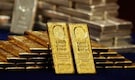
Gold edged up from a five-year low on Thursday as the dollar weakened, but the modest gains suggest bearish investors are still hovering in the market after an early-week rout led to bullion's deepest loss in nearly two years.
That would put India on a different path to the United States, where the Federal Reserve is widely expected to begin tightening policy later this year. The RBI has taken the precaution of building up currency reserves in case markets turn volatile amid the impending divergence.
The Chinese yuan will reverse its recent weakening trend and appreciate over the next year due to the country's large trade surplus, despite expectations that its central bank will ease policy further, a poll showed.
Last month, in a repeat of mid-2013, investors battered emerging market currencies from Turkey to South Africa on concerns the US Federal Reserve will continue to gradually unwind its stimulus programme and amid fears of slowing global growth
Abe, who implemented radical economic policies - dubbed Abenomics - to revive the world`s third-biggest economy, said on Tuesday the country`s sales tax would rise to 8 percent from 5 next year as planned.