

co-presented by
co-presented by

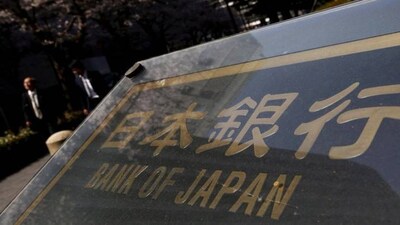
"The Bank of Japan has already begun normalising policy since it shifted to yield curve control last year, and that's the direction the bank seems to heading," he told Reuters.

Takehiro Sato and Takahide Kiuchi have been thorns in Kuroda's side since he launched his radical monetary experiment in 2013, consistently warning of the demerits of the BOJ's huge asset purchases and dissenting to many proposals to ramp up stimulus.

As widely expected, the BOJ left unchanged its pledge to increase base money, or cash and deposits at the central bank, at an annual pace of 80 trillion yen (USD 670 billion) through purchases of government bonds and risky assets.
The central bank stuck to its pledge to increase base money by 60-70 trillion yen (USD 572-USD 667 billion) per year via aggressive asset purchases, mostly in Japanese government bonds.

This may be Japanese prime minister Naoto Kan's last chance at redemption. Just days before the deadly calamity, Kan was on the verge of stepping down as PM. Takahide Kiuchi, economist at Nomura, spoke to CNBC-TV18's Menaka Doshi about the situation in Japan, the rebuilding process and the government in power.


