Although, India has maintained a clean track record of confidentiality with the budget, there were two times when the budget was leaked.
Prashant Jain views the Budget as positive for fiscal consolidation and job creation but remains cautious on manufacturing, industrial, and defence stocks
Budget 2023-24: The allocation for Ayushman Bharat, the world’s largest government-funded health assurance scheme, is 12 percent higher than Rs 6,412 crore allotted in FY23
The halwa ceremony, marking the final stage of the Budget 2023 preparation process, was held in North Block on January 26, in the presence of Finance Minister Nirmala Sitharaman. A customary halwa ceremony is performed every year before the “lock-in” process of budget preparation begins.
The programme has perennially been short of funds, with expenditure overwhelming the funds available. The pending liabilities in terms of overdue wages have been rising in the past few years
India’s official digital currency coming soon; gains from crypto assets to be taxed at 30 pc from April 1, 2021; capped the surcharge on long-term capital gains on any type of assets at 15 per cent; measures for use of big-data and drones in the farming sectors and incentives for agri-tech startups announced.
Capital goods companies believe that the cascading effect of the government spending on capex and infrastructure will boost their order book and help them recover fast from the COVID-19 pandemic.
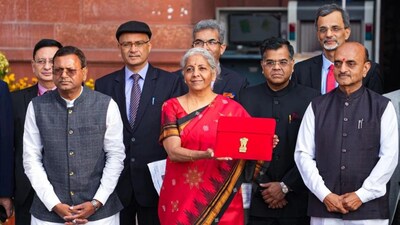
Finance Minister Nirmala Sitharaman presented the Union Budget 2021-2022, which she said relies on six pillars, on February 1. For the first time ever, Budget was made paperless due to the COVID-19 pandemic. The minister carried a tablet inside a red case bearing the Government of India emblem to Parliament to present the budget. Here are the big announcements made by the Finance Minister.
In her remarks at the start of her bilateral talks with the US Defence Secretary James Mattis at the Pentagon, Sitharaman said mutual trust and confidence in defence partnership between the two countries were growing.
As per the report, 17 states implemented over 50 percent of reforms in 2016 compared to just 7 last year and 15 states have implemented 75 percent of listed reforms this year while none were able to so in 2015.