


co-presented by
ASSOCIATE SPONSORS
co-presented by


ASSOCIATE SPONSORS


The Centre would try to achieve the capex target laid out in FY25, and going ahead expects a 'visible progress' in the pace of spending on infrastructure.
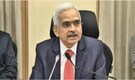
Das attributed the slight dip to two key factors: government expenditure and agriculture growth.

‘In Graphic Detail’ is a special series of data stories covering the Union Budget's key elements over a short and long-term period

The Pradhan Mantri Garib Kalyan Anna Yojana will soon enter its sixth phase and will now go on until September. But what are the reasons for this latest extension and what clues does it hold for the economy and the government's finances?

Data continues to show the Centre's finances in robust health, although questions remain on how certain expenditure targets will be met.
A day before the Budget for FY23 is presented, data shows the Centre's finances in robust health.

Central government expenditure in the first half of 2020-21 was 99 percent of spending in same period of the last fiscal year.

Apart from the Communist countries, India’s government spending is higher than East Asian countries, as a percentage of GDP

Additional one rupee worth of capital expenditure by the central and state governments increases output by Rs 3.25 and Rs 2, respectively.
An outcome-driven plan will curtail irrelevant infrastructure creation, it will get the government machinery to focus on the outcomes and also get the private sector aligned to the government's over-arching plan.

The Budget plays and important role because it guides on what government expenditure, said Ridham Desai MD, Morgan Stanley India.

Arguing that private consumption will take a "significant hit" at least in the next two quarters following demonetisation, Assocham today said the government should jack up its public expenditure in 2016-17.

Budget comes at a time when the public sector banks are facing the problems of non performing assets and the investments have slowed down.

Since coming to power, the NDA government has already increased the service tax rate once. It was increased from 12.36 percent to 14 percent this fiscal year, along with an imposition of Swachh Bharat cess of 0.5 percent on all services from November 15

Madan Sabnavis, Chief Economist, CARE Ratings is not expecting a turnaround in the fourth quarter – there isn't much pickup in consumption, investment or even government expenditure. He says going by the revised fiscal data released by the government on Friday, it does not have much room to increase expenditure either.

Naina Lal Kidwai, country head of HSBC India, tells CNBC-TV18 that the main worrying factor in this Budget is government expenditure.
We should have a comprehensive plan to reduce government expenditure. The way it is ballooning, I am sure that it is not far when it would go out of our hand. We should learn lesson from Greece and other countries.


