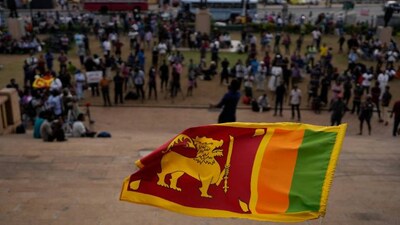
The island nation faced its worst economic crisis in history due to a shortage of foreign exchange reserves. An imperative in the IMF bailout is to restructure external debt, which needs to be completed by September.
The High Commission of India here organised a discussion on the use of the Indian Rupee (INR) for transactions between India and Sri Lanka on Thursday.
With the country’s central bank being blamed, for having let the crisis worsen under its watch, experts are suggesting an alternative monetary-policy regulator
The Central Bank of Sri Lanka said it raised lending rates by seven percentage points to 14.5 percent and deposits to 13.5 percent to "stabilise the exchange rate" as the rupee depreciated by over 35 percent in a month.
Dr WA Wijewardena holds the government and the Central Bank accountable for the crisis
Sri Lanka is tackling its worst financial crisis in over a decade, struggling to pay for critical imports including fuel, food and medicines and with just $2.31 billion of reserves.
This comes in the backdrop of the Central Bank hiking the standing deposit facility rate and the standing lending facility rate by 50 basis points each to 5.50 per cent and 6.50 per cent respectively to control inflation rates, curb imports, and avoid a potential default later in the year.
Consequent to the signing of a special currency swap agreement for USD 1.1 billion by the Central Bank of Sri Lanka (CBSL) with the Reserve Bank of India on 17 July 2015, the CBSL has received USD 1.1 billion, a statement said.
The Reserve Bank on Friday signed a special currency swap agreement with the Central Bank of Sri Lanka that will allow the latter to draw up to USD 1.1 billion.
The swap arrangement is intended to provide a backstop line of funding for the SAARC member countries to meet any balance of payments and liquidity crises till long-term arrangements are made.
The agreement was announced after a meeting between Modi and Sri Lankan President Maithripala Sirisena here. "The Reserve Bank of India and the Central Bank of Sri Lanka have agreed to enter into a Currency Swap Agreement of USD 1.5 billion.
Sri Lanka rupee has been under pressure since early January and fallen around 1.5 percent so far this year despite the central bank defended it with selling dollars.