




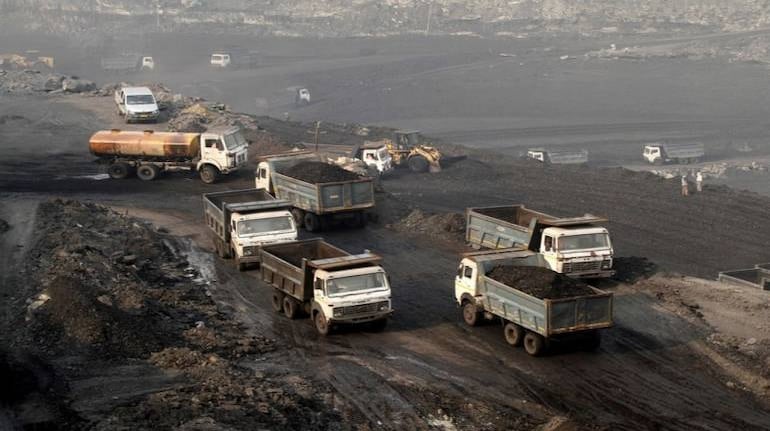
The auctioning of coal mines for captive use seems to have become a hostage to the government's policy overdrive. During the latest round of auction, it is learnt that only six out of the 27 coal blocks received an adequate number of bids. Another six blocks received interest for allocation to state or central government entities.
The coal ministry had started the process of auctioning 27 coal mines and allocating 15 to developers in August. The point to note is the process had to be re-initiated after previous attempts failed to elicit adequate response from bidders because of market conditions. The allocation of blocks, however, will be restricted to central and state public sector undertakings.
In all, 45 bids were received for the assets on offer. The Jamkhani coal mine in Odisha had attracted the highest number of bids, including from companies such as Vedanta, JSW, Hindalco, JSPL, Rungta Mines and Natural Resources Energy.
While poor market condition is cited as one of the reasons for the tepid response to the auction, the overriding feeling is that the government’s policy change on coal mining has dampened the interest of developers for coal mines with end-use restrictions.
Following up on its last year’s decision to allow auction of coal-bearing blocks to private parties for commercial mining, the government, on August 28, allowed 100 per cent foreign direct investment (FDI) under the automatic route in coal mining and associated infrastructure.
Many within the government and the industry are convinced that this has impacted investment sentiment among domestic players and their interest in bidding for coal blocks with end-use restrictions.
With the government opening up coal mining to global majors and allowing them to undertake projects through wholly-owned subsidiaries, they feel that smaller domestic developers have become wary of participating in the auction. Many are also of the opinion that smaller domestic developers will not be able to compete in the changed domestic coal market with the advent of overseas resource majors, and more coal being available in the market will affect the viability of captive mining.
There is also another reason for the lukewarm response to the current round of coal auction.
It seems the location of the coal blocks put up for bidding acted as a deterrent to attracting a sufficient number of bidders. The majority of the blocks that were put up for auction were in the western region, mostly in Maharashtra, whereas most coal end-use plants are located in the eastern part of the country. Investors are naturally apprehensive about the logistics and the transportation cost of shipping coal from the mines to plants. They would rather prefer to buy coal from Coal India or its subsidiaries to meet their requirements.
What should not be missed is the fact that in order to attract bids for coal mines with end-use restrictions, the government had relaxed regulations for captive mining, allowing developers free sale from the asset of up to 25 per cent of the production. This bait, it would appear, is not good enough for developers to join the fray for captive coal mines.
The government has now decided to be more lenient and, as reports suggest, will relax the criterion regarding the minimum participants for such auction. Under the existing rules, the bidding process cannot go through if each coal block receives less than three bidders. It is now understood that the government has decided to allow the auction to go through even if the number of bidders is less than three. This move is part of a committee report that submitted its recommendations in October 2018.
This high-powered committee was formed in December 2017 under the chairmanship of former chief vigilance commissioner Pratyush Sinha, with SBI former chairperson Arundhati Bhattacharya and Union Bank of India former chairman Arun Tiwari as members. The panel was tasked with examining the criteria in the coal mine bidding system and study their challenges and efficacy. It also examined the difficulties in the fixed-bid system and proposed changes in bid criteria.
Except for the first round, the auction process, which was introduced in 2014 after the de-allocation of 214 coal mines, has not generated much enthusiasm among bidders. Already 10 rounds had been conducted and the Sinha Committee was formed after the annulment of the fourth and fifth rounds of auction to non-power firms due to a tepid response.
While the government is concerned about the lack of enthusiasm among bidders about coal mine auctions, so far it has been taking piecemeal steps to charge up the process and is not getting the desired result. It is high time the government took a look at the Sinha panel report in its entirety and came up with a holistic solution so that different policy initiatives do not act at cross purposes.
It must be kept in mind that, in spite of huge reserves, India has not been able to rein in coal import, putting a strain on the foreign exchange kitty. If India has to bring down its reliance on coal import, related policies have to be transparent and dynamic so that prospective developers become interested to mine the fossil fuel in the country.
Abhijit Kumar Dutta is a freelance writer. Views are personal.
Discover the latest Business News, Sensex, and Nifty updates. Obtain Personal Finance insights, tax queries, and expert opinions on Moneycontrol or download the Moneycontrol App to stay updated!
Find the best of Al News in one place, specially curated for you every weekend.
Stay on top of the latest tech trends and biggest startup news.