


co-presented by
ASSOCIATE SPONSORS
co-presented by


ASSOCIATE SPONSORS



The financial system is still paying for past excesses.

Jet Airways' rights issue size is 1.5 time its current market capitalisation
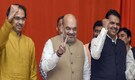
Why is the BJP mellowing in Maharashtra and accommodating the Shiv Sena — a party that has for the past four years criticised the BJP governments at the Centre and state?

Mutual funds have been chasing risk even in funds meant for low-risk conservative investors.

How should investors react to the uncertainty arising out of the terrorist attack?

Normalisation of profit growth in banks will lift overall earnings

The immediate economic impact will depend on how the government of India intends to deal with the attack.

When the 2021 assembly elections in Tamil Nadu take place, Rajinikanth will be 70 years old. Unless there are tectonic shifts in Tamil Nadu politics, it’s difficult for Rajinikanth to get a party up and running in such a short while.

The increase of Rs 2 per kg in the minimum selling price of sugar is much less than what the industry wanted but even this comes with strings attached. The government wants cane arrears cleared.

The central bank should embrace more transparency, with better explanations for regulatory actions.

What is obviously holding back the Opposition from coming out with a powerful and comprehensive alliance is the many differences among the parties at the grassroots level.

New Delhi’s focus to identify potential constituencies in Pakistan that will voice support and seek engagement with India is a long-term one, but one worth pursuing, especially if we see China as the bigger threat.

Net gold purchases by central banks in 2018 was at the highest level since the dollar’s convertibility to gold was suspended in 1971

Dr Reddy’s investors baulked after news that an inspection by the US FDA found four repeat observations.

For a sustainable turnaround, not only is fresh capital needed, but also fresh thinking

The world over, weekly options contracts are more attractive than monthly ones

GDP growth revisions, especially those reversing the direction, seriously undermine the appropriateness of Indian macroeconomic policies

By not thinking cogently about India’s own end game in Afghanistan, India has ended up being reactive to what other nations are doing. That could easily have been avoided.

Fortis Healthcare’s Q3 result shows it’s not out of the woods yet. Losses related to impairment have mounted and its business health is indifferent

Insights from a World Bank paper

Bhushan Power adds to JSW Steel’s domestic capacity but will the latter settle for a minority stake again?

The industry was hoping that the Narendra Modi government with its strong majority will introduce much-needed reforms in land and labour markets.

The design of the scheme is incongruous with the objective of supporting low income farmers, and even in states with decent land record systems, it is incapable of implementation without significant leakages.

Powell's U-turn makes EM equities most favoured among fund managers.

For many who trade jokes and daily greetings, WhatsApp’s potential as a political tool may not be fully apparent. In reality, it is quite a lot. So much so, WhatsApp is the platform of choice for political parties.


