




Intriguingly, in a world obsessed with labels, quiet luxury is trending. The runaway success of HBO show Succession (which will be back on our screens on the soon-to-be-launched HBO Max) brought home quiet luxury as a concept. Online searches for outfits worn by Shiv Roy, who sports the most influential style among the characters, have risen by 300 percent over the years since Succession first aired.
The conversation around quiet luxury was further fuelled by Hollywood actress Gwyneth Paltrow who was in court recently for a skiing accident she was involved in. She appeared dressed head-to-toe in Prada’s neutral-toned cashmere sweater and skirt, teamed with Celine boots.
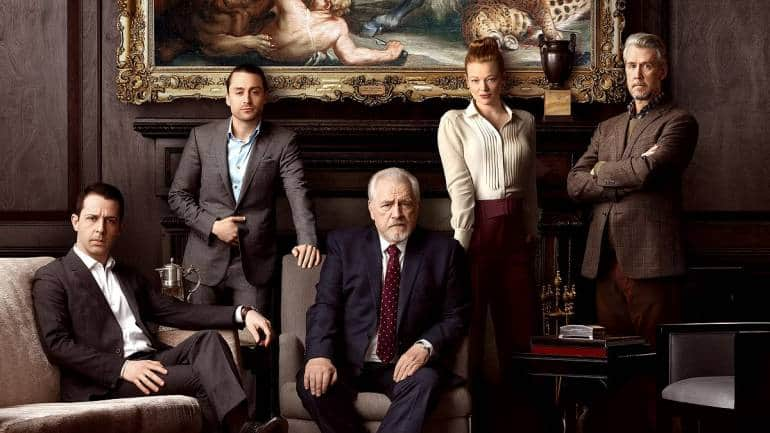 Still from HBO Max show Succession
So, what is quiet luxury?
Luxury that is logo-free (not brand-free) and elegant, with a focus on quality, cut and expensive materials; it's luxury that whispers rather than screams. Succession’s costume designer Michelle Matland created stealth wardrobes unique to key characters as they evolved. “Clothes shouldn’t have bling quality,” she has said. “It is very unlike anything that the Kardashians wear — you know the people who wear things that draw attention. They may have the same amount of money, but different aspirations.”
In India, the characters of the OTT show Jubilee embody old-world quiet luxury: Movie studio owner Srikant Roy’s Windsor tie-knot and crisp tailored suits, actress Sumitra Kumari’s chiffon saris in pastel shades, and actor Madan Kumar’s white shirt teamed with mustard cravat and oversized glasses, remind you of wealth that speaks volumes just by their sheer quality and design.
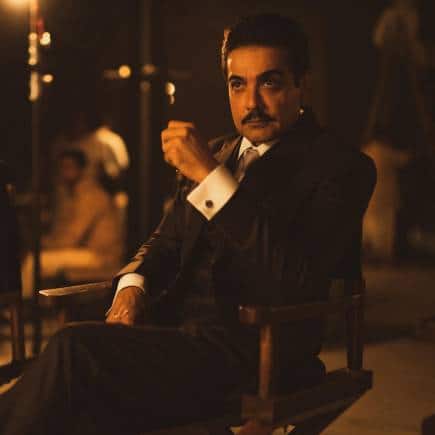 Prosenjit Chatterjee as Srikant Roy in 'Jubilee'.
Which celebrities epitomize ‘quiet luxury’?
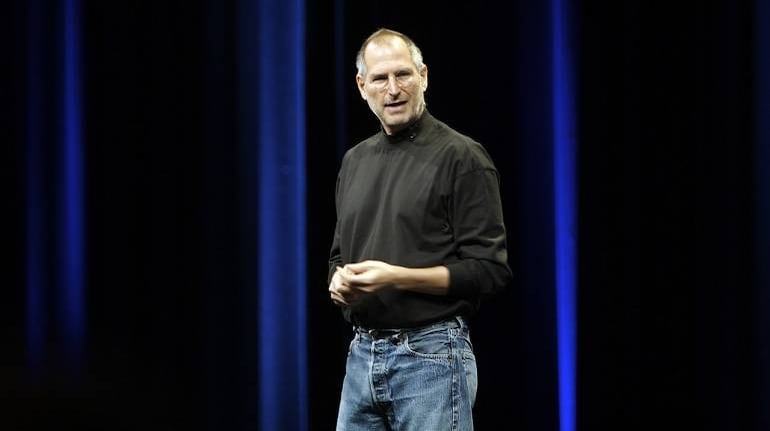
Think Shah Rukh Khan with his monotone black suits and linen shirts; Apple Boss Tim Cook with his black T-shirt or shirt, beige pants, and Zegna’s double stitched sneakers in basic colours; actress Tabu in hand-woven saris or monochromatic dresses; Zeenat Aman, who in her off-screen avatar has always been elegant, more so now in her graceful dresses, jackets and an ability to sport grey hair with nonchalance; and Gwyneth Paltrow, of course. There was Steve Jobs who wore Issey Miyake turtlenecks that cost $175, and there is Metaverse chief Mark Zuckerberg, who is also easily recognisable in Italian designer Brunello Cucinelli T-shirts costing no less than $200.
Among the Indians who define quiet luxury are: Pranav Kirti Misra, the creative and image director of Huemn, who wears Yohji Yamamoto and Rick Owens; chef Ranveer Brar whose earthy wardrobe includes Narendra Kumar Ahmed and his grandfather’s Rolex; Rishabh Suresh, the CEO of Gourmet Jar in tan brogues and jackets accessorized by pocket squares; actor Saif Ali Khan who believes that the timeless appeal of a suit lies in its material; artist Subodh Gupta who pairs gorgeous grey slim-fitting suits with leather moccasins; and Rahul Khanna, India’s sharpest bow-tie wearer, who teams it up with blue denim and white shirts.
 Mark Zuckerberg's Brunello Cucinelli T-shirts cost over $200 apiece.
What are the roots of quiet luxury?
The luxury industry credits the French. Olivier Roux, who has worked for years at Dior, says, “In France, luxury has nothing to do with the bright, shiny, new things. Logos and monograms are not luxuries. It’s a cashmere sweater from Loro Piana. It’s a vintage Hermes bag, preferably handed down by your mother or grandmother. It’s heirloom jewellery that’s been in your family for generations.”
Many associate quiet luxury with a predominantly neutral colour palette and streamlined silhouettes. However, there is more to it than just how things look. It involves investing in garments and accessories that focus on heritage brands, weaved textiles and fabrics such as cashmere, and classic shapes and silhouettes.
In India, you associate it with a handmade Jamawar, Kanjivaram or ikat sari, mulmul kurtas and delicate chikan embroidery. India has a long tradition of quiet luxury and heritage possessions. Our mothers and grandmothers once invested in hand-woven saris and handmade jewellery studded with emeralds, pearls, and other expensive jewels that were handed down from mothers to daughters, and mothers-in-law to daughters-in-law.
 India has a long tradition of quiet luxury and heritage possessions.
Is quiet luxury branded?
When it comes to global fashion, almost always. Brands such as Gucci, LV, Dior and Prada, make two collections. The entry-level range has clothes and accessories that flaunt the brand name and help the wearer proclaim that they have arrived on the social scene. For instance, loud logo bags from Givenchy and Balenciaga, Louis Vuitton belts and bags in full monogrammed regalia, and Gucci garments that have the logo emblazoned across the chest.
Then there is a second, understated collection with clothes and accessories devoid of any obvious branding. The logo is hidden either within the inner ream of a bag or the inside of a sleeve or somewhere not visible. Connoisseurs of luxury know what a Barenia Birkin bag, the older version of Bottega Veneta or a handmade Brunello Cucinelli T-shirt looks like without social media breathing a word about it.
 Hermes
How does India do quiet luxury?
In the Indian context, quiet luxury is evident in pashminas handed down from grandmother to granddaughter, in hand-woven Banarasis, French chiffons and pearls worn by the women of the erstwhile royal family, in an exquisitely weaved Maheshwari, a handcrafted piece of jewellery from an old family jeweller, or, in a modern context, a handmade Abraham and Thakore dress or Rajesh Pratap Singh kurta.
How do you create a wardrobe focused on quiet luxury?
Opt for classic pieces made from expensive, great-quality material that will last years. That cashmere sweater your son would love to wear, that pashmina shawl you will hand down to your daughter as your legacy, that monotone top which spells luxury just by its construction and cut, in a sophisticated suit that’s cut well from a luxury brand, and that Jamawar sari in pastel colours and ancient motifs that were hand-woven.
Invest in non-logo-driven items and collect iconic silhouettes in timeless colours. Focus on details, quality, construction and processes. “A wardrobe of quiet luxury items considers the real-life needs, inclinations, passions and movement of the wearer,” says New York-based luxury consultant Deepa Sahi, whose wardrobe is an ode to understated luxury. “It should make you look well put together without trying too hard. It is the opposite of what influencers would wear to, say, buy a baguette or even head out to the market. There is life outside of Instagram feed, one of work, errands and weekend indulgences, which you live in clothes that are well made, fuss-free, polished and refined.”
 Bottega
Among brands that define quiet luxury in bags is Bottega Venetta, whose high levels of craftsmanship punctuated by the distinct woven leather designs, is the stuff of timeless pared-down refinement.
Internationally, brands such as The Row, Jil Sander, Isabel Marant, Hermès, and Brunello Cucinelli define the concept with their quiet clothing. Brands such as Dior, Prada, Loro Piana, Brunello Cucinelli, Maison Martin Margiela, Ann Demeulemeester and Rick Owens have a large selection of elegant luxury pieces in which the logo is discreetly hidden.
In menswear, Zegna represents the best of quiet luxury with its well-cut linen and wool suits and double-stitched sneakers. In India, the earthy, comfort-driven fashion of Suket Dhir, stellar cuts of Abraham and Thakore’s clothes, Raghavendra Rathore’s royal sherwanis, Rajesh Pratap Singh’s use of fabric and techniques such as pin tucks on kurtas, and Pero’s sustainable textiles, minimal silhouettes and embellishments have come to define quiet luxury. Ruchika Sachdeva’s Bodice follows a philosophy that emphasises ‘neither more, nor less, but just enough'.

Discover the latest Business News, Sensex, and Nifty updates. Obtain Personal Finance insights, tax queries, and expert opinions on Moneycontrol or download the Moneycontrol App to stay updated!
Find the best of Al News in one place, specially curated for you every weekend.
Stay on top of the latest tech trends and biggest startup news.