When India assumed the G20 presidency in December 2022 for the first time, it was a major opportunity for the country to showcase its diverse economy, technological prowess, and commitment to sustainable development. The country set its theme as "One Earth, One Family, One Future", and identified three priorities: inclusive growth, digital innovation, and climate resilience.
Throughout the year, the country focused on issues such as equitable global health access, sustainable infrastructure, and food security. By leveraging its presidency, India aimed to come up with collaborative solutions that not only benefited its own population but also contributed to the broader global well-being.
India’s presidency of the G20 is a significant milestone in the country's journey as a global power. It also brought climate action and environmental protections back into focus.
Here are 10 major takeaways for the environment.
Big wins1. Climate change takes centre stage: A fast-warming Earth and its effects on all life on it remained a key priority during India's G20 presidency, in line with the country’s theme of “Vasudhaiva Kutumbakam” or “One Earth, One Family, One Future”. PM Modi particularly focused on climate finance and technology, and ensuring just energy transitions for developing nations. Showing that it can walk the talk, India is now a leader in renewable energy, with the fifth-largest installed capacity in the world. The country has also set a target of attaining net-zero emissions by 2070.
2. Millets come back on the table: India has taken on a leading role in the global shift to millets as a solution to food insecurity. Millets are naturally nutritious cereals that are packed with protein, zinc, iron, and phosphorus. They are also climate-resilient, come in many varieties, and are relatively inexpensive. By giving millets a makeover and making them more desirable, India is creating a major market opportunity for small and medium enterprises. To this end, the United Nations, at the behest of the Government of India, declared 2023 as the International Year of Millets.
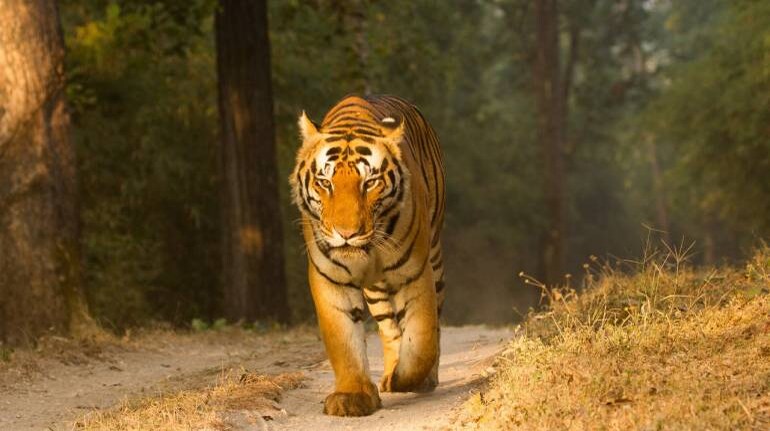
3. Big push for biodiversity conservation: India reaffirmed its commitment to biodiversity conservation during its G20 presidency. Earlier in the year, PM Modi announced the International Big Cat Alliance (IBCA) to protect seven big cat species - the tiger, lion, leopard, snow leopard, jaguar, puma, and cheetah. The IBCA was inspired by the success of Project Tiger, a conservation initiative that has helped to increase the number of tigers in the country to 70 percent of the world's total population.
Similarly, range countries met this year to strengthen conservation efforts for migratory birds and their habitats in the Central Asian Flyway (CAF). The CAF covers 30 countries, from the Arctic Ocean to the Indian Ocean. It is home to more than 400 species of migratory birds, including the Siberian crane and the lesser white-fronted goose.
4. Emphasis on environmental rejuvenation: The government launched Mission Amrit Sarovar to develop or rejuvenate 75 water bodies in each district of India. As of July 2023, over 63,000 water bodies have been developed or rejuvenated. They will be used to meet drinking water needs, irrigation, and other purposes.
MISHTI, an acronym for Mangrove Initiative for Shoreline Habitats & Tangible Incomes, was announced to increase the mangrove cover along the coastline and on salt-pan lands in India. Launched in the Union Budget 2023-24, it is expected to have a significant impact on environmental sustainability in India.
5. Green credit scheme launched: It allows individuals, companies, and local bodies to earn green credits for undertaking eco-friendly activities such as planting trees, conserving water, using renewable energy, and adopting sustainable agricultural practices. The number of green credits earned will depend on the type and scale of the activity. The programme is expected to help India achieve its climate goals and create a more sustainable future.
6. Focus on sustainability: Mission LiFE is one of India's priorities during the G20 presidency. The stated objective of Mission LiFE has been to mobilise at least one billion Indians and other global citizens to take individual and collective action to protect and conserve the environment in the period 2022-28, and promote sustainable living.
Similarly, the Resource Efficiency and Circular Economy Industry Coalition, conceived during India’s G20 presidency, is an industry-led initiative with a global focus on promoting resource efficiency and circular economy practices. It is a platform for knowledge and best practices exchange, and will foster sustainable practices among its participating industries.
Some losses7. The plastic menace continues: India banned 21 items of single-use plastic on July 1, 2022, in a bid to reduce plastic pollution. However, the country is still one of the world's biggest polluters of plastic waste. A 2023 report by the Plastic Overshoot Day 2023 Plastic Overshoot Day Report found that India is among 12 countries that are responsible for 52 percent of the world’s mismanaged plastic waste. The report also found that, under current scenarios, global plastic pollution could triple by 2040, despite pledges and increased waste management capacity. To this end, just last month, PM Modi urged the G20 to work on legally-binding instrument to end plastic pollution.
8. Emissions reach new heights: Air pollution is shortening the lives of people in South Asia by an average of five years, University of Chicago’s Energy Policy Institute said in its latest Air Quality Life Index published this month. It also found that India is responsible for about 59 percent of the world’s increase in pollution since 2013. As per it, Delhi's air pollution is particularly so severe that it is estimated to shorten the lives of its residents by an average of 10 years.
9. Green cover reduces: The 2021 State of Forest report said the country’s forest and tree cover has increased by over 2,261 square km since 2019. A closer look, however, showed that their quality deteriorated across over 15,000 sq km due to thinning or chopping forests. Painting a grimmer picture, a 2023 report by UK-based Utility Bidder found that India has the second-highest deforestation rate in the world, after Brazil. According to the report, while India lost 384,000 ha of forests between 1990 and 2000, the figure rose to 668,400 ha between 2015 and 2020.
10. Lack of consensus: The G20 environment and climate ministers’ meeting in India ended last month without reaching an agreement on key issues such as energy transition, cutting emissions, green border taxes, and phasing down fossil fuels. This exposes a wide rift among the countries on how to combat climate change.
The lack of progress at the G20 meeting is a setback for the global climate agenda. It shows that the world’s major economies are still divided on how to address climate change, and it raises doubts about the ability of countries to reach an agreement at the upcoming G20 summit in Delhi.
Discover the latest Business News, Sensex, and Nifty updates. Obtain Personal Finance insights, tax queries, and expert opinions on Moneycontrol or download the Moneycontrol App to stay updated!
Find the best of Al News in one place, specially curated for you every weekend.
Stay on top of the latest tech trends and biggest startup news.