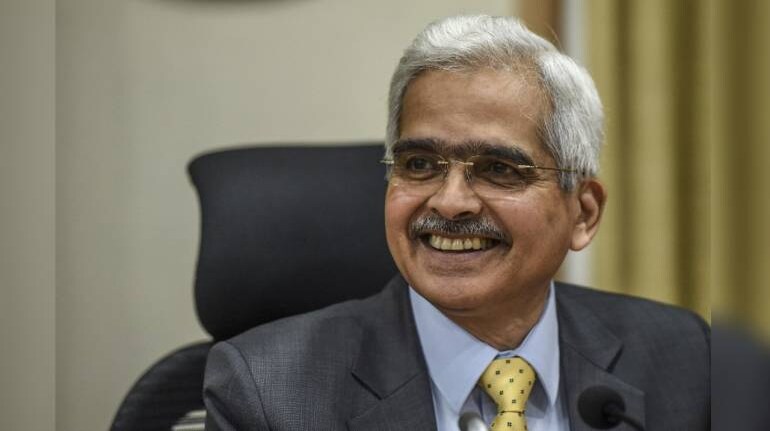
During his RBI Monetary Policy Committee (MPC) announcement on April 5, Governor Shaktikanta Das highlighted the persistent uncertainties surrounding food prices and their impact on inflation. Weighing in on the recent forecast around above-normal temperatures in April-June, Das said the increasing incidence of climate shocks remains a key upside risk to food prices.
While anticipating record rabi wheat production in the fiscal year 2023-24, he also expressed optimism regarding early indications of a normal monsoon, which bodes well for the upcoming kharif season.
However, Governor Das cautioned about the escalating incidence of climate shocks, citing low reservoir levels in southern states and the weather forecast indicating above-normal temperatures from April to June. These factors, coupled with tight demand-supply conditions in certain pulses and vegetable prices, necessitate vigilant monitoring.
Also read: RBI MPC in Quick View | Das sticks to script as food price plays villain in inflation story"Low reservoir levels, especially in the southern states and outlook of above normal temperatures during April-June, also pose concern. Tight demand-supply conditions in certain pulses and the prices of key vegetables need close monitoring," Das said.
Moreover, he mentioned the likelihood of further fuel price deflation following recent cuts in LPG prices. Despite sustained moderation, firms are experiencing upward pressure on costs. The recent uptick in international crude oil prices and geopolitical tensions add to inflation risks.
Governor Das maintained his CPI inflation expectation for the fiscal year 2024-25 at 4.5 percent, with the first quarter at 4.9 percent, the second quarter at 3.8 percent, third quarter at 4.6 percent, and fourth quarter at 4.5 percent, with risks evenly balanced.
India braces for hotter weather amidst economic and political contextEarlier this week, India’s weather office has forecasted hotter-than-usual temperatures across the nation from April to June, with a high probability of extended heat wave episodes in certain regions. This extreme weather outlook could exert pressure on the agriculture sector, particularly as the country gears up for nationwide polls in three weeks.
With Prime Minister Narendra Modi seeking a third consecutive term in office, the impact of adverse weather on the agricultural economy, which employs nearly half of India’s workforce, becomes a crucial factor. Notably, India’s farm sector witnessed a contraction of 0.8 percent in the final quarter of 2023, underscoring the significance of weather conditions on economic performance and political dynamics.
Discover the latest Business News, Sensex, and Nifty updates. Obtain Personal Finance insights, tax queries, and expert opinions on Moneycontrol or download the Moneycontrol App to stay updated!
Find the best of Al News in one place, specially curated for you every weekend.
Stay on top of the latest tech trends and biggest startup news.