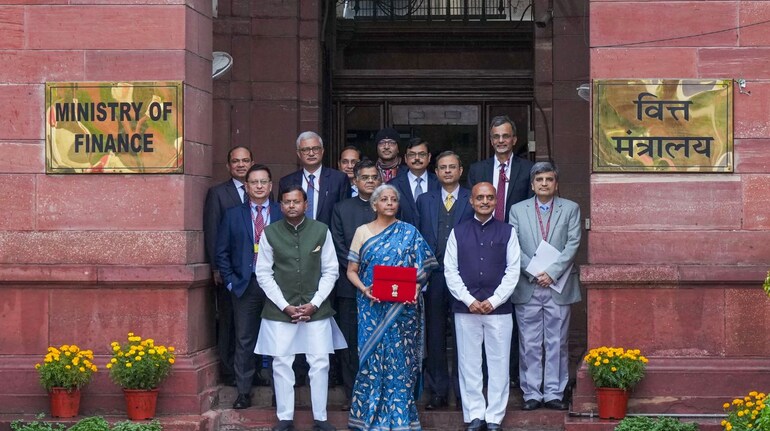
Finance Minister Nirmala Sitharaman took to the social media platform X on May 27 to underscore the improvements in the Budget excercise, stating that the process has become a 'strategic blueprint for equitable development'.
"Our budgets are characterized by fiscal prudence, transparency, and inclusiveness, ensuring investments in social development and infrastructure," FM Sitharaman said in a thread of posts.
Advancement of Budget Cycle
The Budget presentation that now takes place of Februray 1 has 'effectively advanced the expenditure cycle by 2 months', and ensured that Ministries have the full budget available from the start of the financial year, that is April 1. This helped States plan their own budgets better, as details of Centre’s fiscal plan is available to them earlier than before.
Merger of Rail Budget with General Budget
FM said there was no 'sound administrative reason' for a Rail Budget and merging it with the Union Budget in FY18 presents a 'holistic & transparent picture'.
Plan and Non-Plan Classification Removed
Doing away with the distinction between Plan and Non-Plan expenditure has shifted the focus on revenue and capital expenditure, FM Sitharaman said.
The two categories created 'artificial distinction', thus distorting perception of the two types of allocations, FM said. Non-plan was considered ‘bad’ and wrongly signified ‘non-developmental outlays’, according to FM Sitharaman, even though it comprised of items like maintenance of defence systems, pension and insurance, welfare and subsidies.
Transparency
FM Sitharaman's post underscored UPA government’s practice of off-budget borrowing and ‘Oil Bonds’, which she said 'somewhat covertly shifted the fiscal burden to future generations'.
"Under UPA, standard fiscal practices were routinely changed to make Budget numbers look favourable", the post went on to add. Transparent budgets, FM said, are looked upon more favourably by the likes of IMF and the World Bank, and leads to better global trust.
Budget allocations to Road Transport and Railways have been ramped up significantly, from FY23 onwards, thus reducing dependence on market borrowings.
Bigger corpus of Contingency Fund
FM Sitharaman highlighted the meagre corpus of this fund, at Rs 500 crore over the years despite an exponential increase in Centre's budget over the years. This squeeze, FM said, was felt during Covid years, and then on, corpus of the Contingency Fund has been raised to Rs 30,000 crore in FY22.
Expenditure Efficiency
-The Finance Ministry has also taken up steps to improve expenditure efficiency by reducing unspent and parked funds. A Treasury Single Account (TSA) reform was introduced in 2017-18 to eliminate bulk releases to various Autonomous Bodies. This 'just-in-time' release of funds lowered the borrowing costs for governement.
-Under the Single Nodal Agency (SNA) model, a virtual spending limit is created based on State and Centre's contribution to each Centrally Sponsored Scheme (CSS). This method, FM said, has resulted in savings of approximately Rs 10,592 crores from 2021-22 till date, and also reduced possibilities of fund diversion.
Discover the latest Business News, Sensex, and Nifty updates. Obtain Personal Finance insights, tax queries, and expert opinions on Moneycontrol or download the Moneycontrol App to stay updated!
Find the best of Al News in one place, specially curated for you every weekend.
Stay on top of the latest tech trends and biggest startup news.