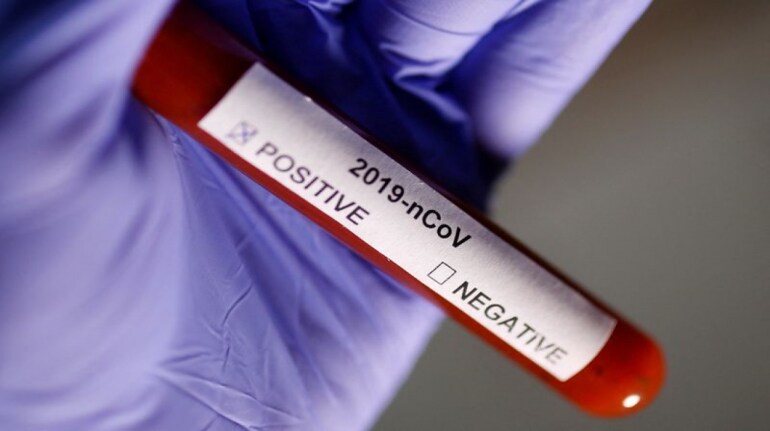
Did your employer provide financial support for your COVID-19 treatment in the last two years? You will not have to pay any tax on this amount. This exemption is also allowed if you have received the amount from any other person – your well-wishers - too.
Here’s what you need to know about the tax relief to those affected by the COVID-19 pandemic.
What did Budget 2022 have to say about any payment received from employers or others for funding COVID-19 treatment?
In June 2021, the finance ministry had announced that no income tax will be charged on the amount received by a taxpayer from her employer for COVID-19 treatment expenses. Likewise, if you have received financial assistance from someone else, that amount too will not be taxed. In addition, in case a deceased COVID-19-affected individual’s family members have received any ex-gratia payment from her employer or anyone else, the amount will also be exempt from tax.
While the announcement was made in June 2021, it was formally included in the Finance Bill 2022-23 on Tuesday during the Budget announcements. The amount received from the employer will not be treated as perquisite. “Any sum paid by the employer in respect of any expenditure actually incurred by the employee on his medical treatment or treatment of any member of his family in respect of any illness relating to COVID-19 subject to such conditions, as may be notified by the Central Government, shall not be forming part of perquisite,” memorandum to the Budget documents states. It will not be subject to gift tax either.
Are there any limits or conditions that I need to be aware of?
Yes. Now, if a deceased employee’s family were to receive the ex-gratia after her death from her employer, no limits will come into play – the entire amount will be exempt from tax. However, if someone else has paid this amount, the tax exemption will be limited to Rs 10 lakh.
Also, the exemption is valid only if the amount is received within 12 months from the date of death. “This exemption is subject to a condition that such amount is received within 12 months from the date of death and subject to other conditions as may be notified,” says Mayur Shah, Tax Partner, EY India.
If the family has received financial support from multiple persons, the aggregate amount of up to Rs 10 lakh will be tax-free.
When will these changes come into force?
It is applicable retrospectively from assessment year 2020-21. Put simply, the tax relief will be applicable to financial year 2019-20 – since COVID-19 hit India in March 2020 – as well as subsequent financial years.
Discover the latest Business News, Sensex, and Nifty updates. Obtain Personal Finance insights, tax queries, and expert opinions on Moneycontrol or download the Moneycontrol App to stay updated!
Find the best of Al News in one place, specially curated for you every weekend.
Stay on top of the latest tech trends and biggest startup news.