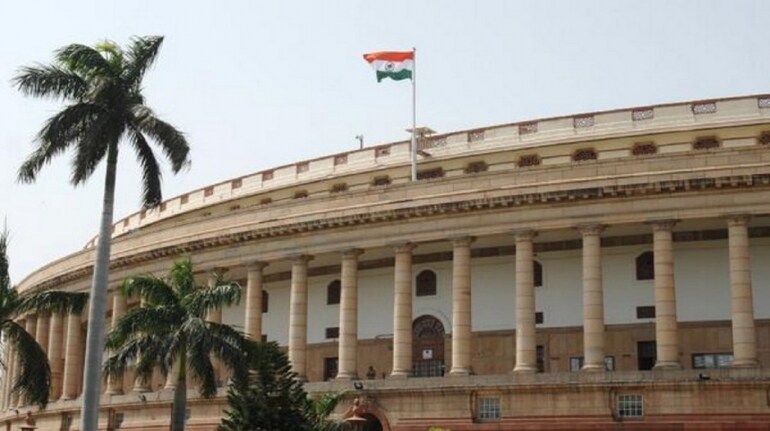
The parliamentary standing committee on commerce has taken a hard stance on large e-commerce platforms, saying that India should identify ‘gatekeeper’ platforms of a certain size that need tougher regulation.
The committee is of the opinion that it is high time India revamped and strengthened its ex-ante regulatory framework and took steps to identify entities that act as gatekeeper platforms and set a threshold for qualifying as gatekeepers.
It has recommended that the Competition Act, 2002 be amended to prescribe additional quantitative criteria such as the number of registered or active consumers and sellers on the platform, number of transactions taking place and volume of revenue generated to identify entities that act as a gatekeeper platform.
Further, in line with international emerging practices, criteria such as assessment of resources of the platform, volumes of data aggregated, and its bargaining position vis-à-vis its business users and consumers, its gatekeeping function, and ability to set the rules of the ecosystem may also be included.
The report also suggested that an obligation must be placed on platforms to suo moto notify the regulator once it reaches the prescribed gatekeeper threshold.
The committee said that various international practices view that digital companies of a certain size need 'specialised and targeted regulation'. For instance, the Digital Services Act Package proposed by the European Union (EU) in February 2020 targets platforms that are designated as gatekeepers based on well-defined criteria that are to be reviewed periodically.
Similarly, in the United Kingdom (UK), the new regime for digital businesses will be applicable to companies with Strategic Market Status. A similar approach is being adopted by Germany. In the US, the Federal Trade Commission, the US antitrust regulator, has been extremely vocal about Big Tech and the need for nuanced regulation to ensure a level playing field.
Moreover, at a time when internet businesses are expected to undergo a phase of consolidation after a funding boom, the committee has suggested harder measures to detect anti-competitive mergers and acquisitions in the e-commerce sector.
In a report on the country’s e-commerce sector, the committee said that asset and turnover-based thresholds may not fully capture the significance of a combination of transactions in the sector and thus escape the scrutiny of the Competition Commission of India.
The committee also observed that the mandatory GST registration has placed an undue burden on small sellers doing business through e-commerce platforms.
“The high dropout rate of 60-70 percent from online platforms is alarming. The Committee, therefore, recommends that the exemption provided to offline sellers with regard to GST registration be extended to online sellers as well with the same applicable threshold limit by the government,” it said.

Discover the latest Business News, Sensex, and Nifty updates. Obtain Personal Finance insights, tax queries, and expert opinions on Moneycontrol or download the Moneycontrol App to stay updated!
Find the best of Al News in one place, specially curated for you every weekend.
Stay on top of the latest tech trends and biggest startup news.