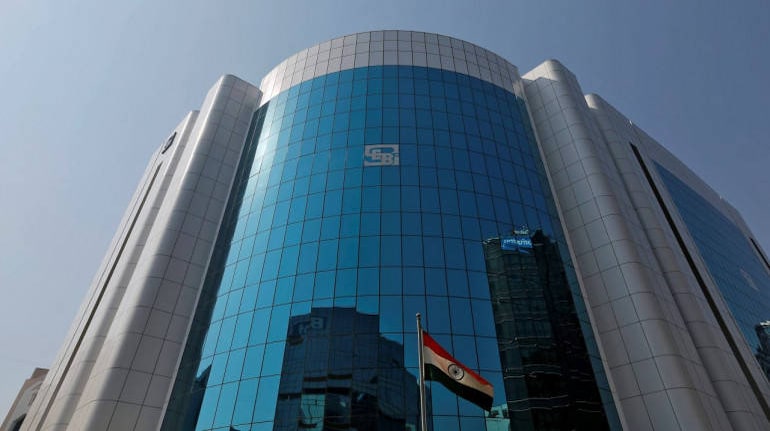
The Securities Exchange Board of India (SEBI) is considering setting up a mechanism to ensure institutional accountability of Asset Management Companies (AMCs) and their senior management personnel for misconduct by respective employees and other related entities.
The institutional mechanism will help deter possible market abuse and fraudulent transactions, and ensure appropriate escalation and reporting provisions, the market regulator said in its annual report published on August 7.
What's more?
SEBI's annual report added that a mechanism regarding the prevention of market abuse and fraud is on the cards. The regulator's 1992 stock broking regulations are proposed to be amended to provide systems for surveillance of trading activities and internal controls, obligations of notified stock brokers and their employees.
Mutual Fund Lite for passive funds
The capital markets regulator is planning to introduce Mutual Fund Lite regulations for passive funds, wherein investment decisions are not discretionary but tied to changes in the underlying benchmark index. This is aimed at significantly reducing the compliance requirements of such funds and fostering innovation in the passive fund ecosystem. The current framework is centred around active fund management.
A passive fund is a type of investment vehicle that tracks a market index or a specific market segment.
Also read: 342 MF schemes record negative returns in FY23, 6x increase YoY: SEBI report
MFs may sell CDS
To sell more products and enhance their services, the SEBI is poised to allow mutual funds to sell credit default swaps (CDS) for the purpose of taking exposure in synthetic corporate bonds, which is a position created by selling CDS and buying treasury bills.
CDS is a financial contract whereby a buyer of corporate or sovereign debt in the form of bonds attempts to eliminate possible loss arising from default by the issuer of the bonds.
AIFs to sell unliquidated investments of a scheme
A concept is under evaluation to offer greater adaptability to Alternative Investment Funds (AIFs) when dealing with investments that remain unsold due to liquidity constraints during the winding-up phase, SEBI stated in its report. This concept involves the possibility of selling these investments to a fresh scheme within the same AIF, referred to as a "Liquidation Scheme," or alternatively distributing these illiquid investments in-kind, following a prescribed procedure.
Discover the latest Business News, Sensex, and Nifty updates. Obtain Personal Finance insights, tax queries, and expert opinions on Moneycontrol or download the Moneycontrol App to stay updated!

Find the best of Al News in one place, specially curated for you every weekend.
Stay on top of the latest tech trends and biggest startup news.