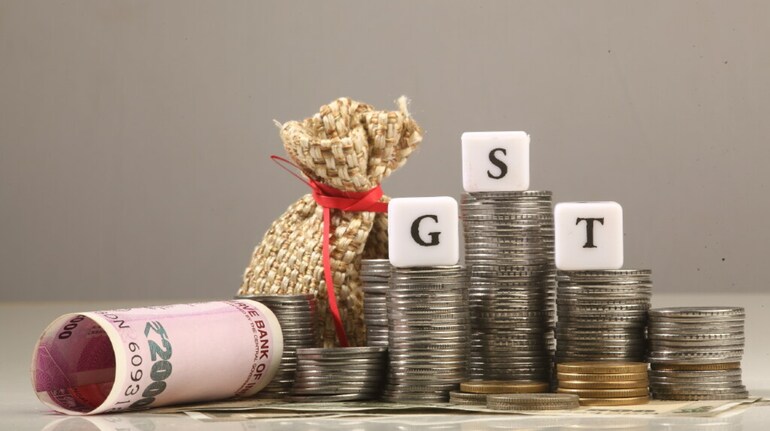
The Goods and Services Tax (GST) just got a makeover, and it’s likely to leave more money in the hands of the common man. Approved by the 56th GST Council, the new structure means everyday expenses, from groceries and insurance to cars and even yoga classes, are set to get a lot cheaper.
So what does it mean for you? Moneycontrol crunched the numbers with inputs from Kishore Harjani, Lead, Customs and GST, Taxmann, and here’s the takeaway: families across income groups will save more without having to change how they spend. In fact, the biggest percentage savings go to the common man.
Take a couple with a monthly budget of Rs 80,000. Thanks to the rejig, they stand to save around Rs 2,640 per month, without changing any of their consumption patterns!
Most of the savings comes from reduced GST rates on essential items like food and groceries, where rates have dropped from 12 percent to 5 percent. Add in lower levies on gym memberships, salon visits, and cuts in GST on health and life insurance, and the savings add up quickly.

Households with bigger budgets will see even higher savings in absolute terms. A family spending Rs 3 lakh a month could pocket an extra Rs 5,916, while those with a Rs 10 lakh budget might save close to Rs 14,800.

Of course, as income rises, the savings become a smaller slice of the overall pie, which will translate to about six percent for the Rs 3 lakh budget and roughly three percent for the Rs 10 lakh one. For these groups, the biggest gains come from reduced insurance premiums and lower costs on lifestyle spends like yoga, gyms, and salons.

It’s not all good news, though. Premium clothing and footwear above Rs 2,500 per piece or pair are set to attract a higher GST of 18 percent, which means more outgo for high-end shoppers.
Auto impact
The auto sector, meanwhile, looks set to ride the GST wave. Small cars, such as petrol or CNG vehicles up to 1200 cc or diesel vehicles up to 1500 cc, will now be taxed at 18 percent, pulling down the price of a Rs 6 lakh car to Rs 5.48 lakh, which is a saving of Rs 52,000.

Even mid-segment sedans and luxury cars will see a drop in prices, despite the GST rate technically rising to 40 percent. For instance, a Rs 17 lakh car will now cost around Rs 16.08 lakh.
Housing impact
Real estate is also seeing ripple effects. Cement costs, which make up a large part of construction, are down following the GST rejig, leading to a net impact of about 3.6 percent on housing.
Add to that falling mortgage rates, since the start of this easing cycle, the repo rate has come down by 1 percent, which pulls the average home loan rates from 9.15 percent to roughly 8.6 percent. For a Rs 50 lakh loan with a 20-year tenure, that works out to savings of about Rs 35 per lakh, every month. While this won’t have too much of an impact, it still adds more money to the pocket of the common man!
Disclaimer: The views and investment tips expressed by investment experts on Moneycontrol.com are their own and not those of the website or its management. Moneycontrol.com advises users to check with certified experts before taking any investment decisions.


Discover the latest Business News, Sensex, and Nifty updates. Obtain Personal Finance insights, tax queries, and expert opinions on Moneycontrol or download the Moneycontrol App to stay updated!

Find the best of Al News in one place, specially curated for you every weekend.
Stay on top of the latest tech trends and biggest startup news.