Dear Reader,
The Panorama newsletter is sent to Moneycontrol Pro subscribers on market days. It offers easy access to stories published on Moneycontrol Pro and gives a little extra by setting out a context or an event or trend that investors should keep track of.A central banker loves a good inflation number. They have an unending obsession with price stability over anything else.
One can’t blame them, that’s their primary mandate. Falling inflation also means flexibility to cut rates.
Why am I saying this?
The latest inflation numbers from the United States and India have sent a ripple of optimism through global markets, hinting at interest rate cuts ahead.
For those who missed the news, here are the numbers: In the US, July's consumer price index (CPI) came in at 0.2 percent month-on-month for headline and 0.3 per cent for core, matching what economists had predicted.
Over in India, headline inflation for July dipped to 1.6 percent year-on-year, the slowest in more than eight years, though a tad higher than some forecasts.
Both readings underscore a cooling trend, driven largely by softer energy and food prices, but they also carry undercurrents that could shape how central banks respond—and how investors position themselves.
Let's look at the US story first. The Federal Reserve has been walking a tightrope, balancing inflation worries with signs of a softening job market.
This CPI print coupled with recent labour data jitters all but confirm a rate cut in September. Markets are buzzing with bets on a calibrated easing cycle, perhaps 25 basis points at each meeting, to bring the real Fed Funds rate down from its lofty near-2 percent perch.
Treasury yields reacted swiftly: the curve steepened as short-term rates fell on cut expectations while longer-term bonds sold off amid renewed risk appetite lifting stocks.
Yet, not everyone is convinced of a dramatic pivot. Treasury Secretary Scott Bessent floated a bolder 50 basis points start, but current data doesn't scream urgency.
Sticky services inflation—up 0.5 percent month-on-month in core services excluding housing—hints at persistent wage pressures, suggesting the labour market isn't as frail as low payrolls imply. This could cap how low the Fed goes, perhaps not below 3.50 percent on the policy rate.
From a market lens, this dovish tilt is music to risk assets. The dollar weakened half of one percent overnight, boosting European currencies like the Swiss franc and euro.
If Fed Chair Jerome Powell sounds more concerned about job market risks than tariff-induced price spikes at the upcoming Jackson Hole symposium, expect the yen to claw back losses too.
Bond traders are eyeing plays like flattening the 2-year/10-year US Treasury spread, betting that measured cuts won't let steepening run wild.
Stocks, already rallying on optimism, could get another leg-up if easing supports sentiment without reigniting inflation fears. But here's the rub: with term premiums rising and services stickiness lurking, aggressive steepening might hit a wall around 60 basis points.
Investors chasing yields in emerging markets, like long positions in Malaysian or Chinese government bonds, could find tailwinds as global liquidity improves.
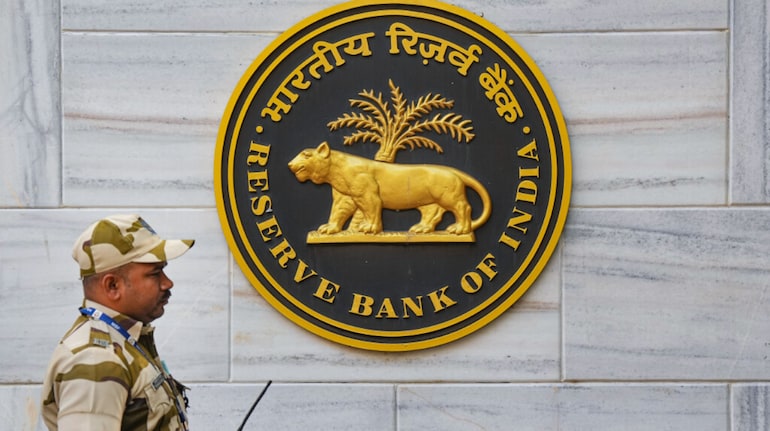
Shifting to India, the picture is equally intriguing but with its own caveats. The 1.6 percent headline print was below the Reserve Bank of India's target range, thanks to falling food prices on an annual basis—though vegetables saw a seasonal uptick sequentially.
Core inflation eased to 4.1 percent, and household expectations for prices a year out hit a five-year low, aligning neatly with the RBI's goal of anchoring them.
Global commodities staying tame and some economic slack have helped. Yet, as DBS economists point out, this softness feels temporary.
Base effects from last year's high readings are fading, and August inflation is already tracking 2-2.1 percent. They see average inflation at 2.8 percent for FY26, down from earlier estimates, but still poised for a gradual climb.
The RBI, in its neutral stance this month, seems content to pause, banking on growth momentum and better transmission of past easing through markets rather than bank loans. Indeed, funding is shifting: commercial paper and corporate bonds issuances surged in the first quarter, even as loan growth slowed.
This partial pivot to capital markets suggests policy passthrough is working unevenly, but surplus liquidity could help smooth it.
Rate cuts?
The bar is high; they'll likely wait for clearer signs of growth weakness. For markets, this means bond yields might not plunge dramatically—expect limited downside.
Rupee traders could benefit from a softer dollar globally, but domestic factors like food volatility will keep things choppy.
In the broader scheme, these CPI dips augur well for a synchronised global easing, juicing risk sentiment and cross-border flows. Emerging markets like India stand to gain from a dovish Fed, potentially easing external pressures.
That said, caution is key: US services inflation could force a shallower cut path, while India's reversal risks remind us inflation isn't vanquished. As my colleague Aparna Iyer writes , the low inflation may not necessarily be a rate cut signal.
Investors should tread smartly—favour calibrated bets over all-in wagers. Markets, ever fickle, will reward the vigilant.
Investing insights from our research team
Blue Star: Near-term pressure from weak summer, medium-term drivers intact
Zydus Lifesciences: Time to accumulate the stock?
PG Electroplast Q1 – Inventory overhang casts a shadow
Hindalco Industries – Execution, strategic expansion key growth levers
Tracker
Pro Economic Tracker | Labour participation, consumer sentiment improve, auto sales weaken
What else are we reading?
Staying the course: How Indian investors are weathering market volatility
Data Story | India-US-Russia ties: Who needs whom?
Chart of the Day | Indian NBFCs are in a good spot now
Personal Finance | A primer on how to use PE in investing
Global powers need to focus on the threat posed by nexus between the nuclear arms race and AI
Strategic interdependence is rewiring the global economy (republished from the FT)
GCCs are an Indian success story. Tax reforms are needed to keep it that way
Trump’s AI Strategy: Beyond the race for global supremacy
Delivery Diaries: The protein revolution takes root in India
Why India's approach to dairy in trade talks is rooted not in protectionism but in cultural fidelity
Markets
Technical Picks: POLYCAB, BSE, JUBLFOOD, BPCL.
Dinesh Unnikrishnan Moneycontrol Pro

Discover the latest Business News, Sensex, and Nifty updates. Obtain Personal Finance insights, tax queries, and expert opinions on Moneycontrol or download the Moneycontrol App to stay updated!
Find the best of Al News in one place, specially curated for you every weekend.
Stay on top of the latest tech trends and biggest startup news.