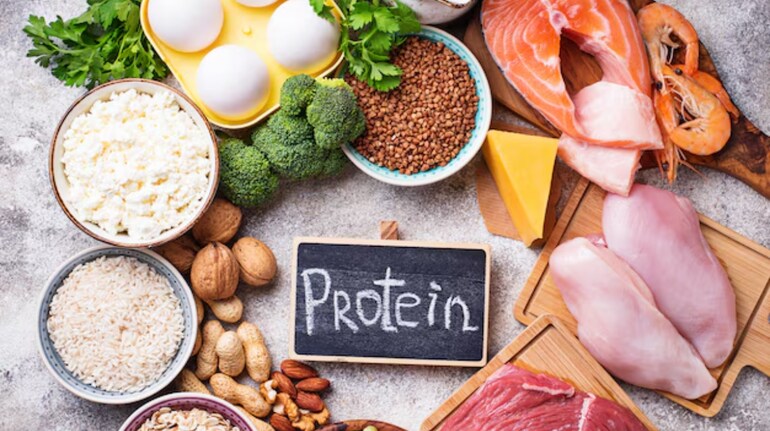
India’s relationship with food is undergoing a quiet transformation, anchored in centuries-old traditions, yet increasingly shaped by a wave of nutritional consciousness. At the heart of this shift is protein. Once a background player in everyday diets, it has now become a defining factor in how we choose what to eat, symbolising both wellness and mindful living.

This is not about a sudden obsession with imported superfoods or passing fitness trends. It’s about a growing focus on health-conscious eating and reimagining the familiar through a fresh lens. This protein consciousness is not only limited to metros, but has also become a part of smaller towns across the country.
Protein deficiency and the focus on protein-rich dietFor decades, India's dietary landscape has been shaped by awareness, tradition, and affordability. Traditionally, protein intake for Indians, including a large number of vegetarians, was largely limited to cereals, milk and dairy products like paneer, nuts, and pulses, leading to a persistent protein gap. Multiple industry reports have highlighted India's protein deficiency in the past; for instance, a recent study by ICRISAT, IFPRI, and CESS found that more than two-thirds of households in India's semi-arid tropics consume less protein than recommended, with diets heavily dependent on staple grains. An IMRB survey further revealed that 73% of Indians are protein deficient, and only 10% meet their daily protein requirement.
However, a noticeable shift is now underway. Over the last few years, there has been a growing awareness about the importance of healthy eating, and protein has emerged as an integral pillar for a nutritious diet. Millennials and Gen Z are at the forefront of this transformation, favoring protein in more snackable forms like smoothie pods, protein bars, yogurts, and on-the-go shakes.
The shift is exciting as it is a seamless blend of traditional favourites and the new-age products. Desi protein-rich staples have seen a comeback of sorts- these include Sattu, ragi, millets, almond and peanut powders, amongst others. Today, Sattu is being marketed in urban India as a high-protein smoothie base. With the Government's focus on millets and the International Year of Millets campaign, millets have gained centre stage in India’s kitchens. Also, paneer, milk, pulses, chickpeas, peanuts continue to be in the list of top items for a protein-rich diet.
Beyond these staples, there's a surge in creative recipes utilizing traditional protein sources. Today, fusion food and protein-rich variants of much-loved dishes are gaining popularity, from protein-packed oatmeals and multi-grain dosas to quinoa khichdi. Another compelling trend is the rise in diverse plant-based protein offerings, which are seeing wide acceptance, particularly among the youth.
Why protein mattersIndia’s protein pivot is grounded in more than being a short-term shift; it’s anchored in an expanding awareness of protein’s role in holistic health as indicated by health experts.
Lastly, with the rise of lifestyle diseases like diabetes, obesity etc. there is an increasing need to have protein-rich diets as they can aid in better management of such diseases.
With increased knowledge of the varied benefits of protein, it is transitioning from a “good-to-have” to a daily, intentional choice for all age groups, across India’s dining tables.
Change in preferencesThe change is visible everywhere in quick-service restaurant menus, on delivery apps, and in the snack aisle.
On Swiggy, we’ve observed double-digit growth in orders for dal, paneer, quinoa, and eggs, as compared to last year. Also, Sattu Smoothie, once considered a regional favourite, witnessed over 80% growth on YoY (year-on-year) basis, thereby suggesting a market for reinvented formats. Fusion formats like Paneer Tacos, Quinoa Khichdi and Sattu smoothies have emerged as the top favourites amongst users ordering on our platform.Interestingly, breakfast has got a protein makeover. Popular high-protein options on our platform include Bowls
(Overnight oats, fruit & nut oatmeal, berry & Greek yogurt bowls); Egg Preparations (Roast chicken omelette, scrambled eggs with multigrain bread); Khichdi Variants (Quinoa khichdi, millet paneer khichdi); Dosas & Parathas: Paneer dosa, multigrain dosa, paneer paratha; and Salads & Sandwiches (Keto salads, grilled chicken sandwiches).
This is no longer an urban trend onlyProtein consciousness is no longer seen to be confined to urban elites.
While we have seen cities such as Chennai and Hyderabad lead among metros in terms of growth in orders for protein-rich dishes on our app, smaller towns and cities are also fast emerging as promising demand-hubs in this category. Thrissur, Trichy, Mangaluru, Patna, Surat, Ludhiana, and Thiruvananthapuram are amongst the fastest-growing cities for protein-forward dish orders on the Swiggy app (YoY). This is clearly not an urban development, but a nationwide phenomenon.During its pilot across 30 cities, Swiggy’s High Protein category attracted 1.8 million consumers. Built for easy discovery, users can now search “Protein” or “Diet” to explore dishes by source and content. Collaborations, like the one with McDonald’s to introduce Protein Plus Burgers and multi-millet buns, are bringing high-protein options to the mass market.
The road aheadFrom a front-row seat, it’s evident that protein has made the leap from a niche interest to a mainstream aspiration. The future looks promising as health-conscious consumers continue to prioritise protein-rich foods. It is an organic shift that is expected to enrich our food culture and in turn, ensure we are much healthier.
One can expect modern takes on traditional staples—from chhena snacks to millet–quinoa pasta to sattu lattes—blending taste, nutrition, and heritage.This isn’t just another trend; it’s a step toward a healthier tomorrow.

Discover the latest Business News, Sensex, and Nifty updates. Obtain Personal Finance insights, tax queries, and expert opinions on Moneycontrol or download the Moneycontrol App to stay updated!
Find the best of Al News in one place, specially curated for you every weekend.
Stay on top of the latest tech trends and biggest startup news.