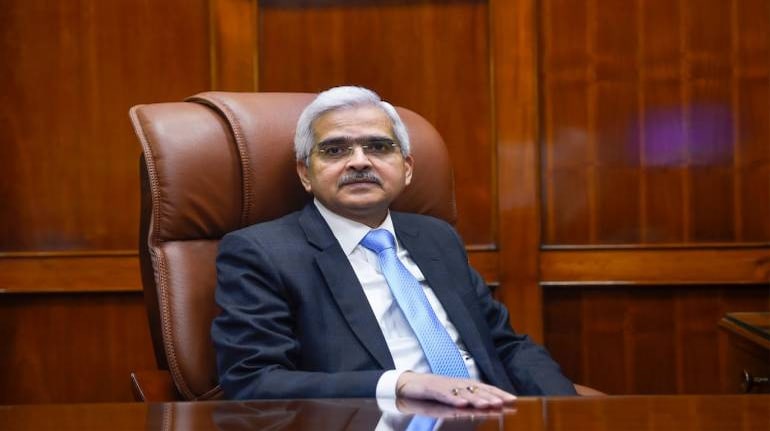
In his first press conference after the government’s Rs 20 lakh crore economic stimulus package announcement and third in the last two months, Reserve Bank of India (RBI) Governor Shaktikanta Das has done exactly what he promised last time -- to do whatever it takes to help the banking system in times of COVID crisis.
Of the three major measures Das announced on May 22— a 40 bps rate cut, three more months’ extension of loan moratorium and Rs 15,000-crore refinance facility — the biggest announcement is the moratorium extension. This will give immediate relief to cash-starved companies and individuals from repayment obligations to banks. According to rating agency Icra, around 328 companies have applied for moratorium with their lenders from across the sectors.
An extension of the moratorium was sought by banks and non-banking finance companies in multiple meetings with the central bank. Das, however, made it clear that it is up to the banks to decide whether to extend the moratorium to their clients or not. In the last round, when the RBI had announced the moratorium facility, banks were initially hesitant to extend the moratorium to NBFCs while NBFCs had to give the moratorium to their borrowers. Banks finally decided to yield after the RBI’s intervention. One needs to wait and watch how banks respond this time.
The moratorium extension coupled with advance rate cut gives a sense about the RBI assessment that stress in the banking system will continue. So far, if one looks at measures from the government and the RBI, the central bank’s actions have offered immediate support to the borrowers.
In the first two pressers, the RBI governor announced a series of measures to ease liquidity pressure on the banking system and cushion the economy from the COVID-19 shock. These included a sharp 75 basis points rate cut in March and liquidity measures worth at least Rs 5 lakh crore.
The extension of the loan moratorium for term loans for a few more months against the backdrop of extension of the nationwide lockdown till May 31 will help industries. Corporates have been demanding extension of the moratorium facility for another three months as they are severely hit by the lockdown across sectors.
Similarly, the continuation of the liquidity support measures for banks was necessitated against the backdrop of continuing uncertainty in the economy. As part of the COVID-19 economic package, the Narendra Modi-led government has announced a series of loan schemes, some backed by government guarantees to small industrial units and non-banking finance companies (NBFCs).
These include a Rs 3 lakh crore economic package for micro, small and medium enterprises (MSMEs), Rs 75,000 crore of loans to NBFCs (of which Rs 30,000 crore is a three-month loan scheme fully backed by the government), Rs 5,000 crore for street vendors and Rs 2 lakh crore concessional credit to farmers. Of the Rs 20 lakh crore package, the direct spending is only about one percentage of GDP, the rest include loans through various banking channels and development institutions.
However, there was criticism that most of the initiatives announced in the government package were not of immediate help but medium-to-long term measures. The RBI measures, on the other hand, have focused more on immediate relief.
Check our complete coverage on RBI's May 22 announcements here
Discover the latest Business News, Sensex, and Nifty updates. Obtain Personal Finance insights, tax queries, and expert opinions on Moneycontrol or download the Moneycontrol App to stay updated!
Find the best of Al News in one place, specially curated for you every weekend.
Stay on top of the latest tech trends and biggest startup news.