




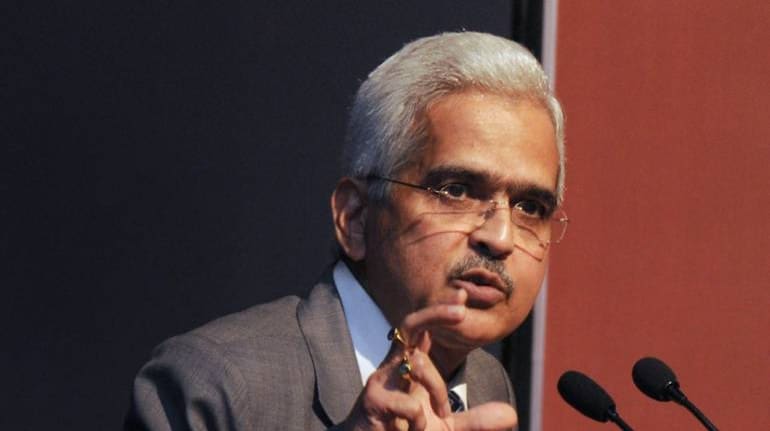
The monetary policy committee (MPC) will begin its bi-monthly monetary policy meeting (MPC) on February 8. The three-day meet will end on February 10 when Reserve Bank of India (RBI) Governor Shaktikanta Das will announce the outcome of the policy meet. The MPC meet was scheduled during February 7-9, 2022. But, with February 7 being declared a public holiday by the Government of Maharashtra as a mark of respect to Lata Mangeshkar who passed away on February 6, the MPC meeting was rescheduled to February 8-10, 2022.
What should one expect from this round of policy meet? Most economists expect a status quo in key rates but a change in the policy stance from ‘accommodative’ to ‘neutral’ indicating a step towards policy normalisation. What is ‘accommodative’ and ‘neutral’? An accommodative stance indicates that the rate-setting panel is willing to cut rates and effectively inject money into the financial system while a ‘neutral’ stance signals the probability is on either side, means the MPC can either cut rate or go for a hike.
Till now, the rate-setting panel is on a prolonged ‘accommodative’ mode. There is an expectation that this will change in the current meet.
If that happens, it will be a significant shift in the rate-setting panel’s approach. The MPC’s prolonged accommodative stance was an attempt to build confidence in the market that the RBI continues to be on a growth-supportive mode. The central bank promised to make sure that the banking system has enough liquidity support to tide through the COVID phase. The MPC clearly stated this approach throughout the first and second covid waves and said while doing so, it will see through the near-term inflationary pressure.

But, data points indicate that things have started to change on the growth front. The third wave doesn’t appear to be leading to lockdowns, hence no big worry for the financial system.
After a lull, the Indian GDP is expected to pick up. Adjusted to inflation, the Indian GDP is expected to grow to 9.2 percent in 2021-22, significantly higher than what the World Bank has projected at 8.3 percent in FY22. Inflation remains in the territory where the central bank doesn’t want it to be—closer to the upper band of 6 percent. The retail inflation jumped to 5.59 percent in December 2021, thanks to an unfavourable base effect.
However, the MPC has been reiterating that it wants growth to revive in a sustainable manner, hence the panel may not hurry to hike repo rate, or the rate at which the RBI lends to banks, just yet. The MPC may look for more cues on growth revival. But, surely, it may look at signalling the markets by changing the policy stance to ‘neutral’. The central bank has already initiated policy normalisation by limiting its bond purchases through government securities acquisition programme. To sum up, while a repo rate hike is unlikely this time, a change in monetary stance is very much expected. Such a shift will also prepare the markets for gradual policy normalisation. At this juncture, there is a case for this shift.
(Banking Central is a weekly column that keeps a close watch and connects the dots about the sector's most important events for readers.)

Discover the latest Business News, Sensex, and Nifty updates. Obtain Personal Finance insights, tax queries, and expert opinions on Moneycontrol or download the Moneycontrol App to stay updated!
Find the best of Al News in one place, specially curated for you every weekend.
Stay on top of the latest tech trends and biggest startup news.