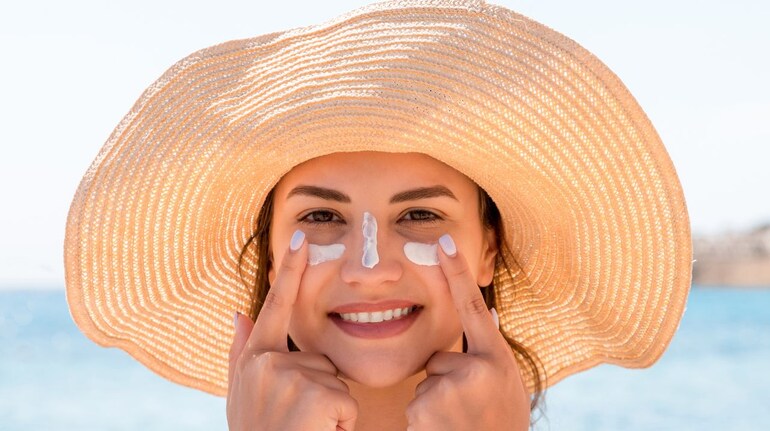
Sun exposure is largely responsible for sunburn, photodamage, and even skin cancers. Until now, topical sunscreens have been used to provide a physical and chemical barrier to the skin against UV radiation. As awareness around skin health evolves, integrating oral sunscreens into skincare routines is gaining traction. The fundamental concept of oral sunscreens involves ingesting supplements to improve the skin’s defence against UV radiation. Oral sunscreens have gained attention in recent years.
How oral sunscreens work
Oral sunscreens contain antioxidants and other compounds that mitigate UV-induced sun damage, says Dr Atula Gupta, Dermatologist, Gurgaon, MD, Dermatology, Venereology, and Leprosy. She explains that oral sunscreens provide antioxidant activity and reduce oxidative stress by neutralising free radicals. They also have anti-inflammatory effects, thereby reducing the inflammatory response contributing to photodamage and sunburns. Oral sunscreens facilitate the repair of DNA damage caused by sun exposure.
Key ingredients
Dr Gupta mentions various ingredients commonly found in oral sunscreens:
Polypodium leucotomos extract: A tropical fern extract known for its photoprotective properties. Research published in the Journal of Photochemistry and Photobiology showed that this extract, when taken orally, reduces sunburn cells and prevents DNA damage.
Astaxanthin: Derived from microalgae, astaxanthin is a potent antioxidant for skin. A study published in the Journal of Clinical Biochemistry and Nutrition found that astaxanthin supplementation reduced UV-induced skin changes, and participants demonstrated fewer wrinkles, dehydration, and photodamage.
Vitamin C and E: These vitamins are powerful antioxidants that prevent free radical damage to the skin.
Carotenoids: Beta-carotene and lycopene are vitamin A derivatives with strong antioxidant properties.
Niacinamide (Vitamin B3): Helps in DNA repair and exerts an anti-inflammatory action, preventing photodamage.
Incorporating oral sunscreens into your skincare routine
Timing and dosage
Daily supplementation: For optimal protection, oral sunscreens should be taken daily, especially during periods of increased sun exposure. Polypodium leucotomos extract is often administered at doses ranging from 240 to 480 mg per day.
Pre-exposure timing: It is advisable to start oral sunscreens at least a week before expected sun exposure to maximise their effectiveness. This allows active compounds to accumulate in the skin.
Also see: Sunscreen tips: Keep your skin protected from UV rays, the right way to wear it
Complementary skincare practices
Use both topical and oral sunscreens: Oral sunscreens provide extra protection but are not a replacement for topical applications. Wear sun-protective clothing, hats, and sunglasses to provide physical barriers against UV radiation. Seek shade, especially during peak UV radiation hours (10 a.m. to 4 p.m.), and avoid prolonged sun exposure whenever possible.
Incorporate antioxidant serums: Using serums containing vitamin C, vitamin E, and niacinamide in your daily skincare routine can enhance the effectiveness of oral sunscreens.
Maintain adequate skin hydration: Hydrated skin is more resilient and better protected against UV damage and environmental stressors, so use moisturisers regularly.
Limitations and considerations
Oral sunscreens have shown promising effects in preventing UV damage in recent years. However, several limitations and considerations must be noted:
Incomplete protection: Oral sunscreens cannot replace topical sunscreens. They may provide an additional layer of protection but are insufficient when consumed alone.
Individual variability: The effectiveness of oral sunscreens depends on several factors, including an individual's genetic predisposition, diet, and skin type.
Regulation and standardisation: There is still a lack of standardisation and regulation concerning oral sunscreens, which can impact the effectiveness of these supplements.
Discover the latest Business News, Sensex, and Nifty updates. Obtain Personal Finance insights, tax queries, and expert opinions on Moneycontrol or download the Moneycontrol App to stay updated!
Find the best of Al News in one place, specially curated for you every weekend.
Stay on top of the latest tech trends and biggest startup news.