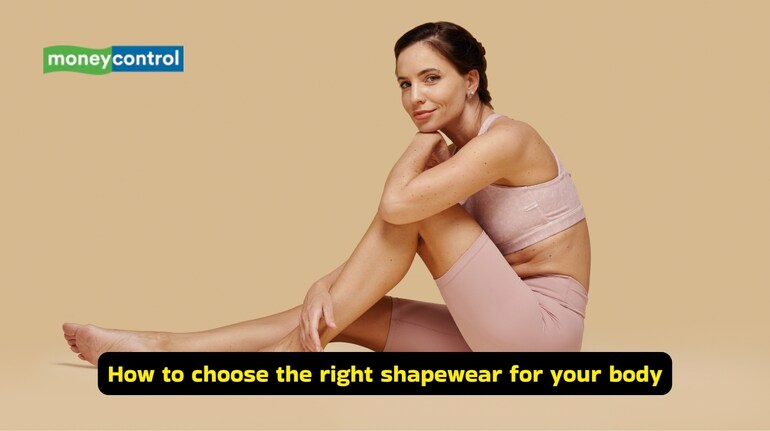

Shapewear has evolved from an occasional outfit fix to an everyday wardrobe staple. However, many women still happen to pick overly tight pieces that prioritise compression over comfort. Experts say modern shapewear should smooth and support the body, not suffocate it.
From choosing breathable fabrics to selecting the right compression level, the right shapewear should feel almost invisible, something you can wear through long workdays, commutes, and social plans without discomfort.
Shapewear was once restricted only for special occasions like weddings, cocktail dresses, or for that one figure-hugging outfit that was rarely worn. The classic “tummy tucker” had a clear purpose which said, squeeze everything in and stay hidden.
But the category has undergone a transformation. Today, shapewear is increasingly designed for everyday wear, worn beneath office attire, casual outfits, or even travel looks. The shift reflects a larger cultural change: women want comfort and subtle support rather than instant body transformation.
However, one mistake still dominates; buying pieces that are simply too tight. “If your shapewear makes you feel breathless, overheated or desperate to peel it off halfway through the day, it’s not doing its job,” Yash Goyal, Co-founder & CEO Krvvy, tells Moneycontrol. “A good shapewear should support the body while letting you move, breathe and forget you’re even wearing it,” he adds.
The idea that tighter automatically means better shaping is outdated. In fact, excessive compression often does the opposite, says Goyal. He adds, “It restricts movement and reduces wearability, making the garment impractical for daily life.”
Shapewear is no longer about controlling the body, it’s about supporting it. Choose wisely, and the right piece will simply become part of your daily routine, one that lets you breathe, move and live comfortably. Goyal shares tips on how to choose a good shapewear that actually works:
Also read | Activewear, swimwear and shapewear are now mainstream fashion, here's why
The first rule is, tighter does not mean better. Modern shapewear is engineered to smooth and contour gently. “For everyday wear, light to medium compression works best. It gives structure without restricting movement, which is essential if you’re wearing it for long hours,” explains Goyal.
Climate plays a huge role in comfort, especially in warm and humid regions. Thick, synthetic fabrics often trap heat and lead to irritation or sweating. Instead, Goyal suggests looking for breathable, moisture-wicking materials that stretch easily and feel soft against the skin.
Fabrics that stay cool to the touch and adapt to body movement can make a noticeable difference over a full day. “Fabric technology has improved significantly. The right blend can provide shaping while remaining lightweight and breathable, which is crucial for all-day comfort,” says Goyal.
One shapewear piece rarely suits every outfit. Workwear, structured dresses, sarees, and casual clothing often require different levels of shaping and coverage. According to Goyal, light shaping works well under everyday office outfits or travel clothes, while structured garments might benefit from slightly firmer support. Many regular users eventually build a small collection rather than relying on one all-purpose piece.
There are several clues that your shapewear isn’t right. Waistbands that roll down, seams that dig into the skin, restricted breathing, or the constant urge to adjust it are all red flags.
“A well-designed piece should stay in place effortlessly and remain discreet beneath clothing. The best shapewear is the one you forget you’re wearing,” suggests Goyal.
1. What is the primary purpose of modern shapewear?
Modern shapewear aims to smooth and support your body comfortably, not to compress it excessively.
2. How should a good shapewear piece feel when worn?
A good shapewear piece should feel almost invisible, allowing you to move, breathe, and remain comfortable throughout the day.
3. What fabric should be chosen for shapewear in warm climates?
For warm climates, choose breathable, moisture-wicking fabrics that keep you cool and comfortable.
4. Why is light to medium compression recommended for everyday wear?
Light to medium compression provides structure without restricting movement, making it suitable for long hours of wear.
5. What are signs that shapewear is not fitting properly?
Signs of poor fit include waistbands rolling down, seams digging into the skin, restricted breathing, and a constant need to adjust the garment.
Discover the latest Business News, Sensex, and Nifty updates. Obtain Personal Finance insights, tax queries, and expert opinions on Moneycontrol or download the Moneycontrol App to stay updated!
Find the best of Al News in one place, specially curated for you every weekend.
Stay on top of the latest tech trends and biggest startup news.