
With the increase in the number of Indian tourists visiting Japan every year, it is no surprise to learn that the etiquette of the two countries is vastly different. While Indians rely on spontaneity and ingenuity, the Japanese thrive on systems. Their culture is driven by manners, prioritising discipline, punctuality, and order. These are followed to show respect, maintain harmony, and be considerate of others.
Why Japanese etiquette should be followed across the globe; here’s what you can learn from it.
While it may be difficult to adopt all of them where you live, some only require a mindset shift and can be incorporated into your lifestyle with considerable ease. These are bound to set you apart from others and contribute to maintaining public decorum.
Also read | Eating out in Japan: 8 things to know before you place your order at a Japanese restaurant
When using public transport, the Japanese are mindful of others. They do not block passageways, stand on the left on escalators, and wait for people to get off the train before boarding. One of the most important rules is staying silent on the train. Phones are kept on silent to avoid disturbing fellow passengers.
They also always sit in the assigned seat. These are habits worth adopting while using public transport, making not only life easier, but also that of others.
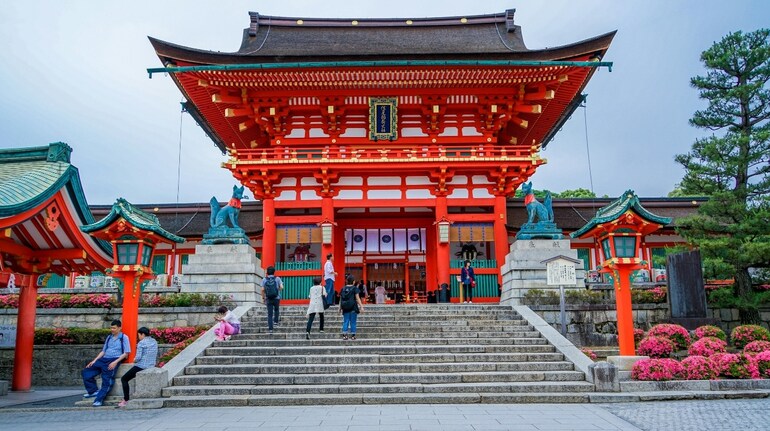
The Japanese are most welcoming of visitors to their shrines and temples, but they have a certain set of rules, which include washing hands and mouth at the purification stations before entering. While they are open to the involvement of visitors, it’s best to keep your phones aside and keep your voice down. This should be followed not only in Japan, but also in other places to show respect in a place of worship.
Also read | Travelling to Japan? 20 Things You Should 'Never' Do
Most of us prefer takeaway drinks and food, but having them on the go is not appreciated in Japan. Carrying your own waste bag is always a good idea, as the designated trash bags may be hard to find.
The Japanese do not leave any traces of garbage behind, which is worth noting. If you throw waste on the streets or leave behind cups and straws, there’s much to learn and change.
In Japan, punctuality is highly valued, whether it’s for showing up for restaurant reservations on time or meeting someone at a designated slot. Bowing is how people are usually greeted. It’s a polite way of showing respect.
Following this in your day-to-day life will make you more organised and value other people’s time. Also, greeting someone with a bow or smile is often a sign of kindness, which should be practiced daily.
Japanese do not break traffic rules, and pedestrians prefer sidewalks. They do not break the queue even when there are large crowds waiting to cross the road. Lines are also respected outside restaurants and trains, and breaking them is considered disrespectful. Everyone follows these rules. These should be incorporated everywhere else as well. Such disciplines save chaos and disturbance.
Discover the latest Business News, Sensex, and Nifty updates. Obtain Personal Finance insights, tax queries, and expert opinions on Moneycontrol or download the Moneycontrol App to stay updated!
Find the best of Al News in one place, specially curated for you every weekend.
Stay on top of the latest tech trends and biggest startup news.