






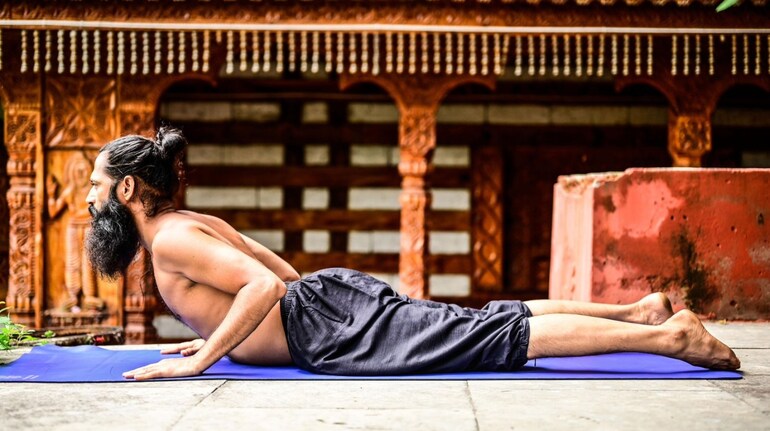

In a world increasingly drawn to instant results and fashionable wellness trends, yoga remains a reminder that meaningful change rarely happens overnight. Yoga teaches patience, discipline, and mindful breathing as the true tools of transformation.
For centuries, yoga has been described not just as a set of postures but as a complete science of human wellbeing. While many approach it today as a flexible workout routine, traditional practitioners insist that yoga’s real power lies in the subtle dialogue between breath, mind, and body.
Himalayan yogi Himalaya Siddhaa Akshar stresses that discipline is the foundation upon which genuine progress rests. “Your breath is your existence. Consistency and discipline are the keys to understanding the body and mind. Without regular practice, the depth of yoga cannot be experienced,” he tells Moneycontrol.
Also read | Benefits of yoga: 7 ways yoga asanas boosts physical, mental, psychological health
This philosophy challenges the modern habit of practising yoga sporadically or treating it as just another fitness fad. In the classical approach, repetition is not a dull routine; it is the steady chiselling that shapes skill, awareness, and balance.
Central to yoga is Pranayam, the art and science of conscious breathing. Ancient yogic texts describe breath as the carrier of prana, or vital life energy, which sustains both physical vitality and mental clarity.
“When the breath is steady, the mind becomes steady. Every posture, every movement, is anchored in the rhythm of the breath,” says Siddhaa Akshar.
Modern science increasingly echoes this ancient observation. Controlled breathing improves oxygen circulation, supports cardiovascular health, and calms the nervous system. What appears outwardly as a simple breathing exercise often becomes a gateway to deeper mindfulness and emotional balance.
Also read | Best exercises: 5 top yoga asanas that boost inner peace and strength, promote sustainable lifestyle
Across the world, institutions are now attempting to preserve yoga’s depth while adapting it for contemporary learners.
Speaking to Moneycontrol during the inauguration of PURANTHA, a 1,65,000 sq ft Himalayan-origin centre for advanced yoga and spiritual sciences near the Kempegowda International airport, Bengaluru, envisioned by Sidhaa Akshar, the yoga expert described the initiative as a space dedicated to authentic practice. “PURANTHA has been envisioned as a space where the depth of Himalayan yogic traditions can be preserved, studied, and practiced through a structured institutional framework. The intention is to support practitioners and teachers from across the world who wish to explore yoga as a science of inner evolution,” he said.
Siddhaa Akshar shares simple principles for those beginning the yogic path:
Consistency matters more than intensity: Even a brief daily practice helps cultivate discipline and awareness. Sporadic, high-intensity sessions rarely build the deep familiarity with body and breath that yoga seeks to nurture.
Let breath guide the body: Pranayam anchors every movement in yoga. By synchronising breath with posture, practitioners improve oxygen flow, stabilise the nervous system, and create a rhythm that naturally calms the mind.
Observe, and not force, progress: Mindfulness in yoga means noticing sensations, thoughts, and emotions without judgement. This quiet observation gradually strengthens emotional resilience and deepens one’s connection with the present moment.
Respect patience and repetition: Real transformation unfolds slowly. Through disciplined repetition, subtle elements such as alignment, balance, and energy flow begin to develop naturally, turning yoga into a lifelong journey rather than a short-term goal.
“Breathe consciously, practise steadily, and allow time to shape transformation. What begins as a physical routine gradually becomes a way of living; calm, aware, and deeply connected within,” he says.
1. What is the importance of consistency in yoga practice?
Consistency in yoga practice is crucial as it helps cultivate discipline and awareness. Regular, even brief sessions, are more beneficial than sporadic, high-intensity workouts for developing a deep connection with the body and breath.
2. Why is breath important in yoga?
Breath, through Pranayam, is central to yoga as it anchors every movement, improves oxygen flow, stabilises the nervous system, and establishes a calming rhythm for the mind.
3. How should beginners approach progress in yoga?
Beginners should observe progress mindfully, without forcing it. Noticing sensations, thoughts, and emotions without judgement strengthens emotional resilience and deepens the connection with the present moment.
4. Why are patience and repetition important in yoga?
Patience and repetition are key in yoga because real transformation unfolds slowly. Through disciplined repetition, elements like alignment, balance, and energy flow naturally develop, making yoga a lifelong journey.
5. How does yoga transition from a physical routine to a way of living?
Through conscious breathing, steady practice, and allowing time for transformation, yoga evolves from a physical routine to a holistic way of living, fostering calmness, awareness, and deep inner connection.
Disclaimer: This article, including health and fitness advice, only provides generic information. Don’t treat it as a substitute for qualified medical opinion. Always consult a specialist for specific health diagnosis.
Discover the latest Business News, Sensex, and Nifty updates. Obtain Personal Finance insights, tax queries, and expert opinions on Moneycontrol or download the Moneycontrol App to stay updated!
Find the best of Al News in one place, specially curated for you every weekend.
Stay on top of the latest tech trends and biggest startup news.










