
There was a time when oral cancer came with familiar warnings like tobacco stains, heavy drinking, visible sores. Today, dentists are noticing something different. Patients who do not smoke, who drink little, are presenting with cancers linked not to lifestyle, but to a virus, the Human Papillomavirus, particularly HPV-16.
However, many people still associate HPV only with cervical cancer. Dr Amrita Gogia, Associate Director & Head, Dentistry, Medanta, Gurugram, says, “We are increasingly seeing its footprint in oral cancers, often in patients who don’t fit traditional risk profiles.” It is, she adds, a worrying and largely unrecognised trend.
Unlike conventional oral cancers, these HPV-driven cases do not always come with warning signs. Dr Gogia explains, “Many young people who neither smoke nor drink heavily are being diagnosed by this cancer.” Symptoms, she says, if at all appear, are often mild, a sore throat that lingers or slight difficulty swallowing.
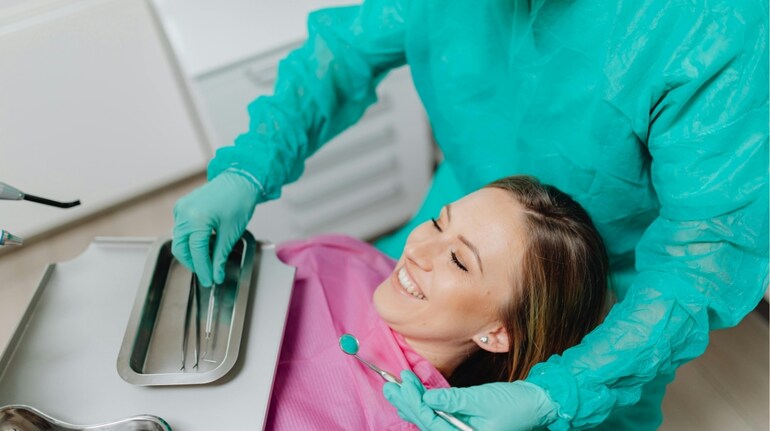
As a result routine dental visits have taken on a new significance. What was once a simple check-up now serves as a vital screening tool. “The challenge lies in the fact that early-stage disease can be almost invisible. That’s where routine dental examinations become crucial,” she says.
A dental visit is more than a glance at teeth. It involves careful inspection of soft tissues, allowing dentists to detect subtle lesions, swelling, or hardened patches that might otherwise pass unnoticed in everyday life.
Minor complaints, a lingering ulcer, unexplained discomfort, or slight voice changes, are easy to dismiss. Dentists, however, are trained to read between the lines and recognise these as possible early indicators of something far more serious.
Conversations in dental clinics are changing. Patients are now being informed about oral HPV, how it spreads, and how vaccination and awareness can reduce risk. This shift is helping break old assumptions about who is vulnerable.
Also read: Doctor says these 3 medicines can save a heart attack patient
Technology is lending a hand. Advanced screening tools allow dentists to examine suspicious areas more closely, identifying changes that are not visible to the naked eye and supporting more accurate, timely decisions.
When something unusual is found, speed matters. Dentists can quickly refer patients for further tests and biopsies. “If we can catch these cancers early, treatment is less invasive and survival rates may improve,” Dr Gogia says.
1. What is oral HPV cancer?
It refers to cancers in the mouth or throat caused by infection with the Human Papillomavirus (HPV).
2. Which types of cancer are linked to oral HPV?
HPV is strongly linked to Oropharyngeal Cancer, affecting the back of the throat, tonsils, and base of the tongue.
3. How is HPV transmitted orally?
It is mainly spread through oral sex or close skin-to-skin contact.
4. Is oral HPV cancer common?
Cases have been rising globally, especially among younger adults.
5. What are the early symptoms?
Persistent sore throat, difficulty swallowing, ear pain, lumps in the neck, or voice changes.
Disclaimer: This article, including health and fitness advice, only provides generic information. Don’t treat it as a substitute for qualified medical opinion. Always consult a specialist for specific health diagnosis.
Discover the latest Business News, Sensex, and Nifty updates. Obtain Personal Finance insights, tax queries, and expert opinions on Moneycontrol or download the Moneycontrol App to stay updated!
Find the best of Al News in one place, specially curated for you every weekend.
Stay on top of the latest tech trends and biggest startup news.