Winters may seem like a relief from hot and humid weathers. However, it does bring its own set of problems, like body aches and bone stiffness. Studies reveal that eating the right foods can go a long way in keeping your bones strong and your joints flexible through the winter months.
Your diet matters as much as your physical movement. Dr Dhananjay Gupta, Director Orthopaedics and Joint Replacement, Fortis Hospital, Vasant Kunj, says, “In winter, your muscles tend to tighten and joints become less flexible. A diet rich in certain nutrients helps maintain bone strength and reduces inflammation.” A few mindful food choices and some daily movement can help you stay active all winter long. He tells Moneycontrol, “Taking care of your body from the inside is the best way to stay pain-free, no matter how cold it gets.”
Dr Gupta recommends 5 simple foods for the season:
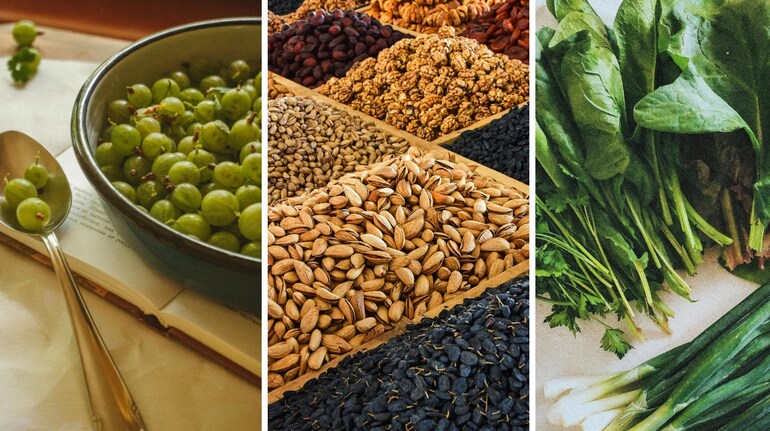
Sesame seeds (Til): Small but powerful, sesame seeds are packed with calcium, magnesium, zinc, and vitamin D, all crucial nutrients for healthy bones. “Just one tablespoon a day can make a difference,” says Dr Gupta. Sprinkle them on salads, add to chutneys, or enjoy traditional til laddoos to stay warm and strong.
Also Read: Seasonal comfort food: The new sustainable dining trend with a fresh, modern twist
Green leafy vegetables: Spinach, methi (fenugreek), mustard greens (sarson), and kale are full of calcium, iron, and vitamin K, which help in bone building. They also reduce inflammation. These greens fit easily into your winter menu, toss them in soups, curries, or stuff them into parathas.
Nuts and seeds: Almonds, walnuts, flaxseeds, and chia seeds are great for joint health. They contain omega-3 fatty acids that reduce stiffness and minerals that support bone strength. “A handful a day is enough,” says Dr. Gupta. Eat them raw, soaked overnight, or mix them in your morning porridge.
Dairy and its alternatives: Milk, curd, and paneer remain excellent sources of calcium and vitamin D. If you’re lactose-intolerant or vegan, try fortified soy or almond milk. Also, step out into the sun for a few minutes daily, sunlight helps your body make vitamin D naturally.
Also Read: Winter café trends 2025: How Indian cafés are blending local flavours with global comfort
Amla (Indian gooseberry): This humble fruit is rich in vitamin C, which helps your body produce collagen, an important protein for bones and cartilage. Eat it raw, as juice, or as sweet amla murabba. “Regular intake keeps joints flexible and supports tissue repair,” says Dr Gupta.
FAQs on Nutrient-rich Food for Joint Health:
1. Why is a nutrient-rich diet important in winter?
A nutrient-rich diet helps maintain bone strength and reduces inflammation, keeping your body flexible and pain-free during the cold months.
2. What are some essential foods to include in a winter diet for bone health?
Essential foods include sesame seeds, green leafy vegetables, nuts and seeds, dairy and its alternatives, and amla.
3. How do sesame seeds benefit bone health?
Sesame seeds are packed with calcium, magnesium, zinc, and vitamin D, which are crucial for healthy bones.
4. Why are green leafy vegetables recommended for winter?
They are full of calcium, iron, and vitamin K, which help in bone building and reduce inflammation.
5. What is the role of nuts and seeds in joint health?
Nuts and seeds contain omega-3 fatty acids and minerals that reduce stiffness and support bone strength.
Disclaimer: This article, including health and fitness advice, only provides generic information. Don’t treat it as a substitute for qualified medical opinion. Always consult a specialist for specific health diagnosis.
Discover the latest Business News, Sensex, and Nifty updates. Obtain Personal Finance insights, tax queries, and expert opinions on Moneycontrol or download the Moneycontrol App to stay updated!





Find the best of Al News in one place, specially curated for you every weekend.
Stay on top of the latest tech trends and biggest startup news.