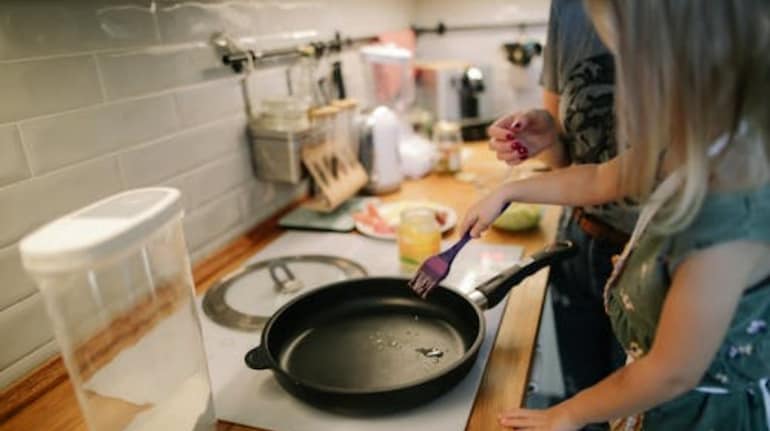
Diwali is the time when most people begin deep cleaning and getting the house ready for festivities. The kitchen is an essential part that also goes through its share of a makeover. Nutritionist Kiran Kukreja recommended going beyond just cleaning the kitchen and also removing toxic items that may be doing more harm than good.
Getting rid of some of these kitchen items and replacing them with healthier and safer alternatives, according to Kiran, can be a boon for the family. It removes toxins, improves the overall health of family members, and makes your kitchen appear cleaner and more hygienic.
She recommended swapping the following 7 toxic items, sharing her reasons for avoiding them and practical tips.
Refined vegetable oils: It is common to find refined vegetable oils in Indian kitchens for everyday cooking, but they can increase chronic inflammation in the body. Instead, Kiran recommends using cold-pressed oils such as mustard, coconut, or groundnut oil.
Packaged spices: While they may be a convenient option, they contain preservatives that you’d want to avoid. Kiran said, “There is a high risk of adulteration. Instead, choose whole spices and grind them fresh at home.” This helps avoid chemicals and additives and retains the original flavour.
Refined sugar: It is known that refined sugar is highly processed and can lead to health problems such as diabetes and obesity. Kiran recommended choosing daga mishri or jaggery, which are natural and unrefined forms of sugar, but advised using them in moderation.
Also read: Décor upgrades with budget-friendly tweaks for a festive-ready corners
Aluminium and non-stick utensils: Using safe cooking utensils is important for protecting your family’s health.. Hence, aluminium and non-stick cookware should be avoided as their chemical coatings can be absorbed in food. She suggested using cast iron and stainless steel utensils instead.
A post shared by Kiran Kukreja| Nutritionist| Weight Management| Skin & Hair (@nuttyovernutritionn)View this post on Instagram
Soyabean chunks: Kiran said, “Soyabean chunks should be avoided because they mostly contain maida or refined flour that decreases its nutrition value. Instead choose whole soybeans for pure proteins and essential nutrients.”
Aluminium foil: Aluminium foil continues to be used for packing food in many households but Kiran shared that wrapping hot food in it can lead to metal leaching. She suggested using parchment papers as a safer alternative.
Plastic tiffin box: Eventually, it is still plastic, and its compounds can be absorbed in the food, making it risky for your health. There are many alternatives now available, including stainless steel and glass tiffins.
This Diwali, remove toxic kitchen items and opt for cleaner alternatives such as cold-pressed oils, jaggery, and whole soybeans. They are easily accessible and can make a huge difference to your overall health.
Also read: Build your own home toolbox: 8 must-have tools for every homeowner
FAQ's on toxic kitchen items:
1. What are some common toxic items found in kitchens?
Common toxic kitchen items include non-stick cookware with Teflon (when overheated), plastic containers with BPA, aluminum foil, old or chipped ceramic ware with lead-based glaze, and certain chemical cleaning products.
2. Is non-stick cookware safe to use?
Non-stick pans coated with Teflon (PTFE) can release harmful fumes if overheated. Safer alternatives include cast iron, stainless steel, and ceramic-coated cookware.
3. Why should I avoid plastic containers for food storage?
Some plastics contain BPA or phthalates, which can leach into food, especially when heated. It's best to use glass, stainless steel, or BPA-free containers.
4. Can aluminum foil be harmful when used in cooking?
Cooking with aluminum foil at high temperatures may cause small amounts of aluminum to leach into food, which is a concern over time. Occasional use is generally safe, but long-term exposure should be minimized.
5. Are chemical kitchen cleaners dangerous?
Yes, many conventional cleaners contain toxic ingredients that can leave harmful residues on surfaces. Switching to natural or non-toxic alternatives reduces the risk of chemical exposure.
Disclaimer: This article, including health and fitness advice, only provides generic information. Don’t treat it as a substitute for qualified medical opinion. Always consult a specialist for specific health diagnosis.
Discover the latest Business News, Sensex, and Nifty updates. Obtain Personal Finance insights, tax queries, and expert opinions on Moneycontrol or download the Moneycontrol App to stay updated!
Find the best of Al News in one place, specially curated for you every weekend.
Stay on top of the latest tech trends and biggest startup news.