-
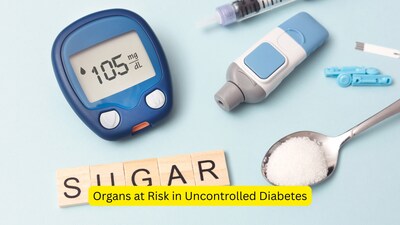
Diabetes and organ health: How high blood sugar affects your vital organs
Diabetes mellitus, if unmanaged, can damage the heart, kidneys, nerves, and eyes. Hyperglycaemia and glucotoxicity are key contributors to complications, but timely treatment and lifestyle changes can reduce serious risks
-

Top dietitian explains why you shouldn't eat these 10 foods on an empty stomach
Breakfast tips: Unhealthy food choices on an empty stomach can disrupt your digestion, spike blood sugar, and even lead to energy crashes later in the day. Here’s are 10 foods and drinks you should really never eat in the morning.
-
Guillain-Barré Syndrome: Causes, symptoms, and treatment options of this severe condition
Guillain-Barré syndrome is a severe, immune-mediated polyneuropathy often following infection. It causes ascending motor weakness, minimal sensory loss, areflexia, and possible respiratory failure. Discover the symptoms, diagnostic methods, and treatment options for this syndrome.
-
Your heart at risk: The hidden link between psychological stress and heart disease
Psychological stress significantly contributes to cardiovascular diseases, comparable to traditional risk factors like smoking and hypertension. Chronic and acute stress can trigger heart events, promote unhealthy habits, and alter body physiology.
-
10 ways chronic stress changes your brain, weakens immunity, and leads to disease
Chronic stress damages brain structures, disrupts immune responses, fuels inflammation, and even alters cell behaviour. Research shows how unmanaged stress plays a silent yet deadly role in many modern illnesses, including depression and heart disease.
-
10 things to know about depression: Loss of interest, pleasure, and concentration
Depression is more than just feeling blue — it commonly involves a profound disinterest in activities that were once pleasurable, a loss of joy in many aspects of life, and problems concentrating or making decisions.
-
What is Pelvic Inflammatory Disease? Know its causes, risks, symptoms and prevention methods
Pelvic Inflammatory Disease is an infection of the upper genital tract, often affecting young women. Caused by organisms like Neisseria and Chlamydia, it may present with pain, fever, discharge, or remain silent.
-
8 surprising effects of cutting salt and sugar, according to a dietician
Nutrition experts will tell you extreme diets can hurt you, not help. We do need small, appropriate levels of salt and sugar for our bodies. With understanding, vigilance and moderation, you can sustain energy, help maintain organ function and stay away from long-term health issues.
-
10 sports and fun activity ideas to help your child sleep better, build strength
Children today are sleeping less, thanks to screens, stress, and over-packed days. But experts say sport may be the simple, natural remedy we’ve been missing. From swimming to yoga, these five activities don’t just wear kids out—they help their minds wind down too.
-
10 things to know about placenta previa: Causes, symptoms and more
Placenta previa occurs when the placenta implants over the lower uterine segment, causing painless, recurrent vaginal bleeding. Risk factors include maternal age, prior cesarean, uterine scars and smoking. Complications include antepartum haemorrhage and cord prolapse. Diagnosis is by ultrasound or MRI, and antenatal care with monitoring is essential.
-
Clinical psychologist lists 8 hidden symptoms of stress and burnout
Stress and burnout symptoms: Burnout comes on slowly but ignoring it matters because if you don’t take action fast, it can become serious. Here are a few of the sneaky warning signs that you shouldn’t ignore.
-
Diet tips: Nutrition specialist lists 10 things your feet say about your health
Your feet can do more than just carry you around, they also might bare secrets about hidden nutritional deficiencies. From brittle nails to burning sensations, subtle changes in your feet can signal something as simple as missing vitamins and minerals. Knowing these signs can help you take control of your health overall.
-
Stress and brain health: Neurologist reveals why your mind struggles under pressure and fatigue
Stress reshapes your brain and nerves, impacting memory, focus, and emotional control. Prolonged stress rewires brain circuits, changes hormone levels, and affects overall health.
-
What is allergic rhinitis? Symptoms, causes, and how to manage it
Allergic rhinitis is an immune response of the nasal mucosa to allergens, causing sneezing, nasal obstruction, and watery discharge. It can be seasonal or perennial, influenced by genetics. Symptoms include itching, eye watering, and frequent colds. Diagnosis may involve blood tests, nasal smear, or skin prick tests, with avoidance of allergens as primary management
-
8 health benefits of pomegranates: Nutritionist reveals why you should have one daily
Health benefits of pomegranates: Loaded with antioxidants, vitamins and minerals, you can include pomegranates in your daily diet easily. Whether you eat them in salads or smoothies, here’s why adding these cherries into your meal plan means loads of vitamins, fibre and antioxidants.
-
From skin glow to heart health: 9 coffee benefits backed by experts
Coffee is so much more than just a morning pick-me-up– it’s a drink that is rich in antioxidants and compounds that can improve your skin, health and mood. But moderation matters. Knowing what coffee does to your body, how it affects your skin and signs you’re drinking too much allows for you to enjoy it safely and wisely
-
How rubella infection affects pregnancy: Causes, complications, and vaccination
Rubella is a contagious viral infection transmitted through droplets, dangerous during pregnancy due to its teratogenic effects. Maternal infection can cause congenital rubella syndrome, affecting the baby’s heart, ears, eyes, liver, and bones, and may lead to abortions or malformations. Vaccination provides lifelong protection and is essential for prevention.
-
What is hypoglycemia? 10 Causes why your blood sugar level is low
Hypoglycemia occurs when your blood sugar levels drop below the normal range. This can happen for several reasons, including skipping meals, excessive insulin use, certain medications, or underlying medical conditions.
-
9 easy Yoga asanas to reduce chronic back pain and improve posture
Best yoga poses for back pain: Struggling with lower back pain? From muscle strains to postural woes, this common ailment can be relieved with a few targeted yoga postures. Here’s how.
-
10 things to know about urinary tract infections: Causes, symptoms, treatment and more
Urinary tract infections affect the bladder, urethra, or kidneys and may be symptomatic or asymptomatic. Most are caused by gram-negative bacilli, especially E. coli. Infection spreads through various routes, commonly ascending.
-
10 things to know about seizures: Causes, classification and management
Seizures are sudden abnormal neuronal discharges, and recurrent episodes indicate epilepsy. They are classified by consciousness and spread. Causes vary by age, including hypoxia, infections, febrile illness, and alcohol withdrawal.
-
10 health benefits of drinking clove tea after meals
Clove tea is a natural remedy that has been used for centuries in traditional medicine. When consumed after meals it can offer a range of health benefits including improved digestion reduced gas and bloating and even better blood sugar control.
-
10 ways how childhood trauma and impulsivity impact your spending habits
Many adults struggle with impulsive spending habits that seem difficult to control or explain. Emerging research shows that experiences of childhood trauma can play a significant role in shaping emotional regulation and decision-making skills later in life.
-
8 foods that damage your teeth and what to eat instead, according to a dentist
Tooth decay isn’t just about poor brushing habits — it’s deeply connected to what we eat every day. Sugary, sticky, and acidic foods wear down the enamel and make teeth vulnerable to decay and sensitivity. Dr Radhika Malhotra, Senior Consultant – Preventive Dentistry, shares eight common foods that could be damaging your teeth more than you think — and the healthy alternatives that will keep your smile bright and strong.
-
Peripheral artery disease: Why your calf muscles may be paining
Peripheral artery disease is narrowing of blood vessels, usually from plaque buildup, reducing blood flow to limbs. Symptoms include intermittent claudication, rest pain, hyperaesthesia, coldness, numbness, ulcers, and gangrene. Pain patterns may be arterial or neurogenic.
-
Skin cancer and sun exposure: 10 symptoms, risks and prevention tips
Skin cancer cases have been observed in India in recent years. Caused largely by UV exposure, it can be prevented with simple daily habits. Know what puts you at risk and how to protect your skin.
-
Health benefits of top 10 vegetarian omega-3 rich foods
Omega-3 rich vegetarian foods like flaxseed oil, chia seeds, walnuts, flaxseeds, canola oil, soybean oil, black walnuts, mayonnaise, and kidney beans support heart and brain health, improve memory, lower cholesterol, reduce inflammation, and aid digestion.
-
Best exercises to burn belly fat and build stamina: Try these simple yoga poses and bodyweight workouts
Tired of intense gym schedules? Discover how just 10–15 minutes of yoga and basic workouts can help you burn fat, boost energy and improve your mood. Easy, beginner-friendly tips to fit into even the busiest routine.
-
11 things about ovarian cancer every women should know: Symptoms, causes, prevention and management
Ovarian cancer is one of the deadliest gynaecological cancers due to its late diagnosis and complex nature. Understanding its different sub types, early symptoms, risk factors and advances in prevention and treatment is crucial.
-
What is Bronchiectasis? Symptoms, causes and treatment you should know
Bronchiectasis is a chronic condition marked by irreversible dilatation of bronchi and bronchioles due to destruction of airway walls. Causes include congenital disorders, infections, autoimmune diseases, and obstruction. Symptoms involve persistent cough with foul sputum, breathlessness, chest pain, and weight loss. Diagnosis uses imaging and sputum studies, treatment includes antibiotics
-
10 things about dengue: Causes, phases, and clinical features
Dengue, a mosquito-borne viral infection, progresses through febrile, critical, and recovery phases with varied symptoms from high fever and body aches to plasma leakage and shock. Diagnosis involves blood tests and antigen detection. Management includes hydration, monitoring, and supportive care, with hospitalization required in severe or warning sign cases.
-
Fatigue, muscle pain after dengue, viral fever? Here's how to recover fast
Post-viral pain syndrome, common after illnesses like COVID, dengue, or flu, causes lingering fatigue, pain, and insomnia. Follow these tips to recover fast and bounce back to health.
-
What is cholelithiasis? 10 symptoms, causes and management
Cholelithiasis is the formation of gallstones in the gall bladder, composed of cholesterol, pigments, or mixed salts. Risk factors include obesity, drugs, infections, and bile stasis. It may be asymptomatic or cause biliary colic. Diagnosis involves ultrasound and imaging.
-
What is gestational diabetes mellitus: 10 things to know about gestational diabetes during pregnancy
Gestational diabetes mellitus is a type of diabetes that develops during pregnancy. It can lead to complications such as high blood pressure, large birth weight, and a higher risk of diabetes later in life for both mother and baby.
-
10 things about gastrointestinal bleeding: Its causes, symptoms, investigations and management
Gastrointestinal bleeding arises from upper or lower tract causes such as peptic ulcers, esophageal varices, or erosive gastritis. Symptoms include vomiting blood, melena, hematochezia, dizziness, pallor, and shock. Diagnosis involves blood tests. Management includes fluids, transfusions, and pharmacotherapy.
-
What is anemia: 11 causes, symptoms, diagnosis, and management
Anemia is reduced oxygen-carrying capacity of red blood cells, causing fatigue, dizziness, and breathlessness. Diagnosis involves CBC and smear. Causes include nutritional deficiencies, bleeding, infections, and chronic illness. Treatment focuses on iron, B12, folic acid intake, supplements, and addressing underlying causes.
-
What happens when your heart gets inflamed and 10 ways to deal with it
Sometimes your heart gets inflamed when your body’s trying to fight off an infection or injury. It’s your immune system trying to help — but this can sometimes backfire and cause more serious heart problems.
-
Benefits of high-intensity exercise: Is it the best exercise to improve brain health?
A 12-week trial found high-intensity workouts didn’t improve brain health in cannabis users, but regular exercise still helped reduce cravings and boosted engagement.
-
Don't forget: 8 brain fog symptoms that require urgent medical Attention
Symptoms of brain fog: Persistent confusion, disorientation or problems remembering things, or the sudden onset of confusion should be taken seriously. Here are eight signs your brain fog could be more serious than simple forgetfulness and what you can do about it.
-
10 things about ischemic heart disease and atherosclerosis: Risk factors, causes, and prevention
Ischemic heart disease, driven by atherosclerosis, is a leading global cause of death. Risk factors include smoking, diabetes, hypertension, age, cholesterol, obesity, inactivity, and alcohol. Prevention focuses on lifestyle changes—healthy diet, exercise, stress control, limited alcohol, and regular check-ups—to protect arteries, improve heart health, and reduce long-term complications.
-
10 daily habits that significantly reduce your cancer risk
By making mindful adjustments to your daily routine, such as eating a nutrient-rich diet, staying active, getting quality sleep, and managing stress, you can significantly reduce your risk of developing cancer. These small lifestyle changes make a big impact on long-term health.
-
Best standing yoga poses that will boost your energy in just 2 minutes
Best exercises: Studies show that just two minutes of standing yoga poses can increase self-esteem and energy levels. It also improves your posture and calms the nervous system.
-
Lose weight fast, control appetite with these 10 healthy pre-lunch habits
Effective weight management involves more than balanced meals; pre-lunch habits play a crucial role in metabolism, appetite control, and energy balance. Research highlights that drinking water before meals increases satiety, while mindfulness and meditation reduce stress-induced overeating.
-
High blood pressure in children: Causes, symptoms, what to do as a parent
Symptoms of high blood pressure in kids: High blood pressure is not only an adult problem. Children, too, could have it. Identifying the symptoms early enables parents to take action. With lifestyle changes, support and medical care, children can grow up healthier and avoid long-term heart risks of high blood pressure.
-
10 health benefits of Just 30 minutes of ‘me time’ every day
Adults have little time to rest in today’s fast-paced world. But a mere 30 minutes a day of alone time can recharge the mind and body. From reducing stress to getting better sleep, tiny moments of solitude count for a lot. It’s not about being selfish — it’s also about better health and long-term well-being.
-
9 fibre-rich carbs that are healthier than brown rice
Fibre is a crucial part of a balanced diet, especially as we get older and digestion slows down. While brown rice is often seen as a go-to healthy carb, there are many other carbohydrate-rich foods that offer even more fibre, alongside vital nutrients to support your wellbeing.
-
6 fruits that naturally support your kidney health
Your kidneys quietly filter toxins, balance fluids, and keep your body’s internal environment in harmony. Supporting them with the right diet and daily choices can make a huge difference. Here are six powerful fruits that nourish and protect kidney health in the long run.
-
Why sesame seeds are a superfood? Benefits for bones, digestion, and immunity
Adding sesame seeds to your daily diet supports bone strength, heart health, digestion, skin vitality, and immunity. Their nutrient-rich profile makes them a simple yet powerful way to enhance overall well-being.
-
10 proven health benefits of cod liver oil you should know
From heart health to glowing skin, here’s why cod liver oil has been a timeless supplement in natural wellness
-
What your resting heart rate says about your health
A healthy resting heart rate is more than just a number—it’s a vital indicator of your heart and overall fitness. Here’s a clear guide.