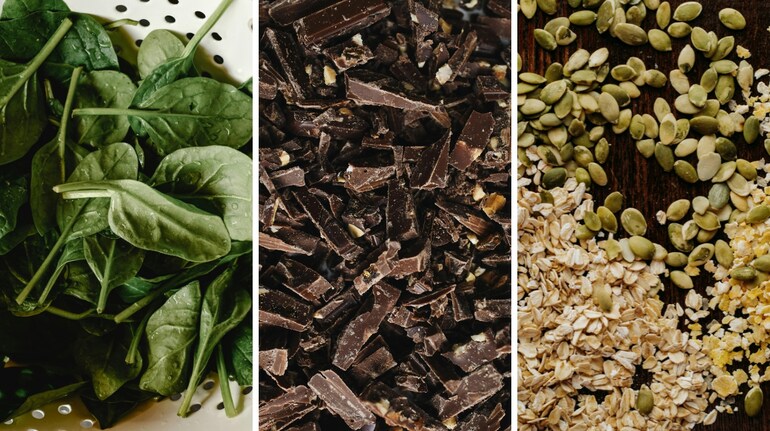
The adage “you are what you eat” has never been truer, particularly when it comes to mental health. Scientists, in recent years, are finding that our diet is deeply connected to mood, cognition and emotional stability. What we eat serves to power our bodies — and affect our brain chemistry, which in turn can shape how we feel. A balanced diet not only helps you focus and reduce anxiety, but it also improves symptoms of depression.
Modern life stress, processed foods, and erratic eating patterns can all upset this delicate balance. Nutrient insufficiencies, such as vitamins, minerals and omega-3 fatty acids have been associated with higher chances of mood disorders. Meanwhile, some foods can help promote brain health by fighting inflammation, improving gut health and increasing the production of serotonin and dopamine — chemicals that are linked to happiness and calming feelings.
“The gut and brain are inextricably linked to each other. What we eat can have an effect on how our brain operates, the amount of energy we have and even how we handle stress,” says Dr Radhika Menon, a nutritionist at Mindcare Global, Indore.
Also read: Clinical psychologist lists 8 hidden symptoms of stress and burnout
Knowing what to eat and how these foods impact our mental well-being is an essential step towards a healthier lifestyle overall.
Fatty Fish for Mood Balance
Fish like salmon, mackerel and sardines are packed with omega-3 fatty acids, which help to keep brain cell membranes healthy and support communication between neurons. Regular consumption is associated with lower rates of depression and better stress management.
Leafy Greens for Cognitive Health
Spinach, kale and Swiss chard are packed with folate, magnesium, and antioxidants that protect the brain from oxidative stress. They also help produce mood-regulating neurotransmitters such as serotonin.
Whole Grains for Steady Energy
Oats, quinoa, and brown rice are good sources of complex carbohydrateswhich regulate an appropriate supply of glucose to the brain. this helps to sustain energy and keep concentration on point during the day without going through mood swings.
Fermented Foods for Gut-Brain Harmony
Foods like yogurt, kefir, kimchi and sauerkraut encourage a healthy gut bacteria that communicates with the brain by way of what’s called the gut-brain axis. A healthy gut microbiome is associated with lower levels of anxiety and better mood.
Also read: 6 expert-backed sleep tips to reduce stress and reset your body clock naturally
Dark Chocolate for Emotional Boost
Eat this in small doses, preferably dark (70% or higher), and your endorphin levels are ramped up, as is serotonin, along with magnesium to calm the nervous system and reduce stress.
FAQs about mental health:
1. How does diet influence mental health?
A balanced diet impacts brain chemistry, which can shape mood, cognition, and emotional stability. Nutrient-rich foods can help improve focus, reduce anxiety, and alleviate symptoms of depression.
2. What are some nutrient insufficiencies linked to mood disorders?
Insufficiencies in vitamins, minerals, and omega-3 fatty acids have been associated with higher chances of mood disorders.
3. Which foods are beneficial for brain health?
Fatty fish, leafy greens, whole grains, fermented foods, and dark chocolate can promote brain health by fighting inflammation, supporting neurotransmitter production, and improving gut health.
4. How do omega-3 fatty acids support mental health?
Omega-3 fatty acids, found in fatty fish, help keep brain cell membranes healthy and support communication between neurons, which is linked to lower rates of depression and better stress management.
5. Why are fermented foods important for mental health?
Fermented foods like yogurt, kefir, kimchi, and sauerkraut support a healthy gut microbiome, which communicates with the brain and is associated with lower levels of anxiety and better mood.
6. Can dark chocolate really improve mood?
Yes, dark chocolate (70% or higher) can boost endorphin levels, increase serotonin, and provide magnesium, which calms the nervous system and reduces stress.
Disclaimer: This article, including health and fitness advice, only provides generic information. Don’t treat it as a substitute for qualified medical opinion. Always consult a specialist for specific health diagnosis.
Discover the latest Business News, Sensex, and Nifty updates. Obtain Personal Finance insights, tax queries, and expert opinions on Moneycontrol or download the Moneycontrol App to stay updated!
Find the best of Al News in one place, specially curated for you every weekend.
Stay on top of the latest tech trends and biggest startup news.