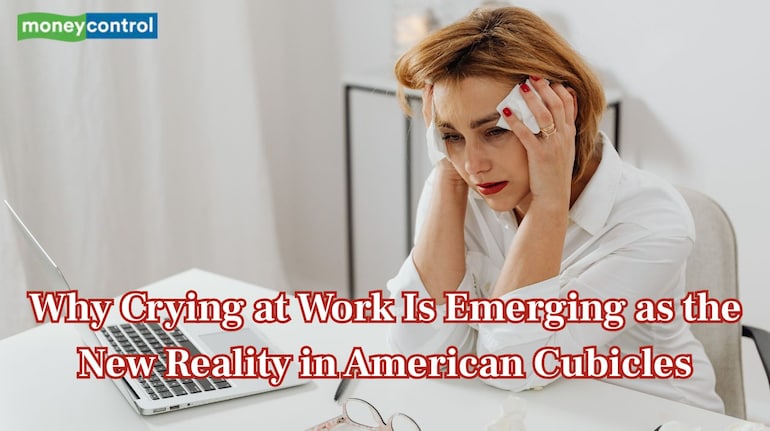

A December 2025 survey of 1,018 United States adults reports that crying at work is more common than assumed, reflecting rising anxiety and insecurity across American offices.
The survey, titled the Quiet Cry Report, was conducted by Resume Now. It found that 39% of employees admitted crying at work at least once. Fourteen per cent said they had cried multiple times. Another 21% reported feeling close to tears. The findings point towards deeper emotional strain.
Workplace Fear Replaces Simple Fatigue
For years, discussion focused mainly on burnout. Long hours and heavy workloads dominated headlines. The new data suggests something more corrosive. Fear now shapes many workplace experiences. More than half of respondents, 52%, worry about losing jobs. This concern exists without performance issues. Nearly a quarter worry weekly or constantly. Only 27% feel secure about employment.
Psychologists note that constant uncertainty fuels vigilance. Workers anticipate restructuring emails or budget cuts. Leadership changes add further unease. This ongoing tension affects emotional stability. Tears often follow cumulative stress. Crying becomes less about meetings. It reflects deeper instability across organisations.
Venting, Disengagement and “Ghostworking”
Emotional strain does not always mean tears. Many employees vent frustrations regularly. The survey shows 55% complain occasionally. Thirty four per cent vent frequently. Only 12% never share frustrations. Complaining can build solidarity temporarily. Yet routine venting signals embedded dissatisfaction.
The report highlights another pattern. Forty one per cent update CVs during work. Thirty nine per cent prepare for interviews. Fifty three per cent pursue training quietly. Nearly 49% handle personal tasks at work. These figures suggest strategic withdrawal. Workers remain logged in but detached.
Among those mentally checked out, 46% redirect energy elsewhere. Thirteen per cent admit doing minimum duties. Disengagement grows without open confrontation. Productivity and trust gradually weaken.
Emotional Strain and the Question of Trust
Employers face complex consequences. Emotional strain affects retention and morale. Nearly six in ten struggle to re engage. Performance may appear stable outwardly. Distress often remains hidden privately.
Experts argue policies alone cannot resolve this. Mental health days offer limited reassurance. The deeper issue concerns transparency and trust. When insecurity spreads without clarity, anxiety follows. The Quiet Cry Report portrays coping mechanisms. Workers vent discreetly and plan exits quietly.
The modern office functions as emotional ecosystem. Fear circulates quickly within teams. Communication gaps allow worst assumptions. Organisations now confront difficult reflection. Employees continue delivering tasks professionally. Yet behind composed screens, many feel unsettled. The findings suggest institutions must respond carefully.
Discover the latest Business News, Sensex, and Nifty updates. Obtain Personal Finance insights, tax queries, and expert opinions on Moneycontrol or download the Moneycontrol App to stay updated!
Find the best of Al News in one place, specially curated for you every weekend.
Stay on top of the latest tech trends and biggest startup news.