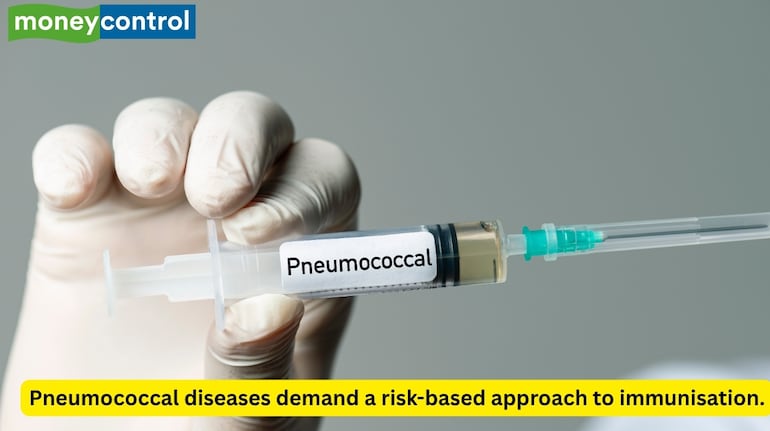
Many of us think “vaccination” is only for children or the elderly, but this approach overlooks the importance of immunisation for the large segment of the adult population. Pneumococcal diseases, which are among the leading causes of hospitalisation and mortality in adults, demand that a risk-based approach to immunisation be adopted.
Pneumococcal diseases are caused by the bacterium Streptococcus pneumonia and can affect individuals with underlying medical conditions such as diabetes mellitus, heart disease, chronic obstructive pulmonary disease (COPD), and asthma. Health experts emphasise that vaccination recommendations should be based on health risks and not just based on age alone.
Rise of Lifestyle Conditions
One of the primary reasons for rising pneumococcal conditions is due to modern lifestyle changes. Excessive consumption of processed or fried food, delayed sleeping time, and sedentary living have led to a surge in lifestyle-related diseases like diabetes, hypertension, COPD, and heart disease. These comorbidities heighten the risk of pneumococcal infection.
These conditions are no longer confined to older populations. Comorbid conditions are setting in early in Indian populations, causing younger adults to become increasingly vulnerable due to weakened immunity and lifestyle-induced health challenges.
Why do Early Screening
If you’re experiencing symptoms such as fever, chills, cough, shortness of breath, or other symptoms of respiratory infection, it’s important to consult a healthcare provider. Doctors can test for pneumococcal infection by checking samples of blood, mucus, or urine to detect the presence of Streptococcus pneumonia. Recognising and acting on symptoms early can help mitigate risks and prevent unnecessary complications.
Vaccination For All
According to Dr. Deepak Talwar, Senior Consultant & Doctor at Metro Group of Hospitals, “Vaccination is not just for children or the elderly, but also for those with chronic illness. If you are of age 50 or older, or in fact of any age, living with diabetes, heart or lung disease, cancer, or other chronic conditions, don’t wait. Act immediately and protect yourself, your family, and your community.”
Preventive vaccination not only safeguards one’s own physical health but reduces hospitalisation rates, lowers healthcare expenses, and supports workforce productivity, holistically benefitting a nation’s health. Pneumococcal vaccines, especially, have been shown to decrease both the incidence and severity of pneumococcal disease, especially among high-risk population groups. This could avoid future burden on mental health, and financial health.
Diet Modifications & Physical Movement
Sustainable lifestyle changes have lasting effects. A balanced meal containing vegetables, whole grains, legumes, lean proteins (fish, poultry, pulses) and healthy fats should replace processed or fried foods and refined carbs. Incorporating regular physical activity enhances overall immunity and reduces the risks of comorbidities.
Hygiene Measures
Maintain good hygiene. Regular hand washing, disinfecting surfaces, and avoiding close contact with people who have respiratory infections should become a part of habit, and can protect against a wide range of pathogens, not just pneumococcal bacteria.
FAQs on pneumococcal diseases:
Q. What are pneumococcal diseases?
They are infections caused by the Streptococcus pneumoniae bacteria, affecting the lungs, ears, sinuses, or bloodstream.
Q. What are common types of pneumococcal diseases?
Pneumonia, meningitis, and bacteremia (blood infection) are the most serious forms.
Q. Who is most at risk?
Infants, older adults, and people with weakened immune systems or chronic illnesses are at higher risk.
Q. How are pneumococcal diseases spread?
Through respiratory droplets when an infected person coughs or sneezes.
Q. Can pneumococcal diseases be prevented?
Yes — vaccines like PCV13 and PPSV23 can help protect against many strains of the bacteria.
Disclaimer: This article, including health and fitness advice, only provides generic information. Don’t treat it as a substitute for qualified medical opinion. Always consult a specialist for specific health diagnosis.
Discover the latest Business News, Sensex, and Nifty updates. Obtain Personal Finance insights, tax queries, and expert opinions on Moneycontrol or download the Moneycontrol App to stay updated!





Find the best of Al News in one place, specially curated for you every weekend.
Stay on top of the latest tech trends and biggest startup news.