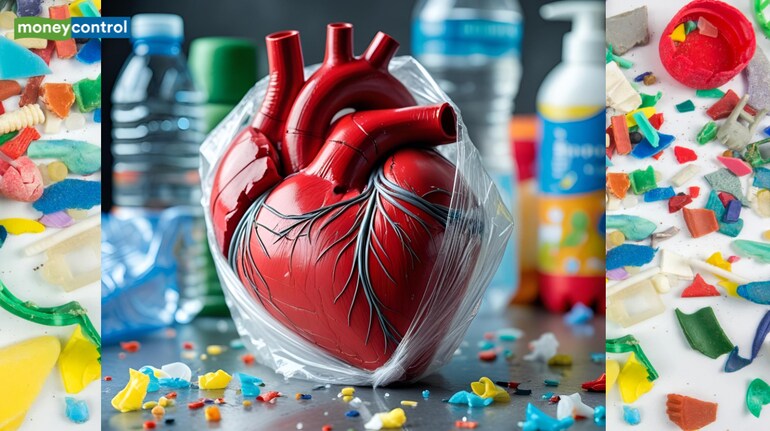
From takeaway containers to water bottles, plastics are everywhere, Every day, you eat, drink, and breathe in bits of plastic, without even realising it. But what if these everyday items were doing more harm than you thought?
There is growing evidence linking plastics to heart disease, says Dr Deepesh G Aggarwal, Consultant Physician and Head of Critical Care Medicine at Saifee Hospital, Mumbai. “Plastics like phthalates and BPA, found in everything from water bottles to shampoos, don’t just stay in the packaging—they slowly leach into our food, drink, and even air. “Phthalates induce systemic inflammation, including inflammation of coronary arteries,” explains Dr Aggarwal. That inflammation makes heart disease worse and raises the chances of strokes or heart attacks. In India alone, over 100,000 heart-related deaths in a single year may be linked to plastic exposure.
Additionally microplastics, tiny plastic particles less than 5mm, are now in the air we breathe, the food we eat, and the water we drink. Studies show they can enter artery walls and build up inside blood vessels. Dr Aggarwal explains, “They trigger chronic inflammation, damage arteries, and significantly raise the risk of cardiovascular events.” Some studies found microplastics inside artery plaques, making heart attacks or strokes up to five times more likely.
Dr. Aggarwal shares the everyday habits that may be harming your heart through plastic exposure:
Heating food in plastic containers: Plastic reacts to heat, releasing harmful chemicals like BPA and phthalates. Use glass or stainless steel instead, especially for hot food or drinks.
Drinking bottled water regularly: Repeated use or storage of water bottles in heat can cause leaching. Opt for reusable bottles made of glass or metal whenever possible.
Using plastic wrap on hot food: Cling film can melt slightly over warm dishes, allowing chemicals to seep into food. Let food cool or use paper covers instead.
Microwaving in “microwave-safe” plastic too often: Even certified plastics degrade over time. Scratches, heat, and repeated use increase the chances of chemical migration into food.
Ignoring labels on personal care products: Phthalates are found in shampoos, lotions, and perfumes. Choose “phthalate-free” or natural products to reduce daily chemical exposure.
Relying on canned foods: Canned goods often have BPA linings. Limit canned food intake or choose brands labelled “BPA-free”.
Using old or scratched plastic containers: Worn-out plastic tends to release more toxins. Replace old containers and avoid abrasive cleaning that wears them down.
Disclaimer: This article, including health and fitness advice, only provides generic information. Don’t treat it as a substitute for qualified medical opinion. Always consult a specialist for specific health diagnosis.
Discover the latest Business News, Sensex, and Nifty updates. Obtain Personal Finance insights, tax queries, and expert opinions on Moneycontrol or download the Moneycontrol App to stay updated!
Find the best of Al News in one place, specially curated for you every weekend.
Stay on top of the latest tech trends and biggest startup news.