







Japanese teas have gained a reputation not just for their unique taste, but also for their health benefits. They are part of long-standing traditions, where every sip is a reminder of warmth and rituals. Unlike other teas, Japanese varieties carry diverse flavours ranging from grassy to nutty.
Here are 5 unique tea varieties that you must explore…Unique Japanese tea: SenchaSencha is one of the most popular teas in Japan and makes up for a major part of the country’s total tea production. Its leaves are steamed, rolled, and dried, creating a unique flavour that is refreshing and grassy, with a hint of bitterness and a sweet finish. There are different grades of sencha, each with its own taste, such as deep-steamed and light-steamed. While preferences may vary, it is widely enjoyed on a daily basis.
Unique Japanese tea: MatchaMatcha’s popularity has grown over the years, and it has gained a reputation for its distinct flavour and health benefits. The finely ground green tea powder, made from shade-grown leaves, is enjoyed for its rich, creamy flavour with a bitter after flavour. It is full of antioxidants and works as an energy booster due to its caffeine content. It is now also popular in lattes, ice cream, and desserts.
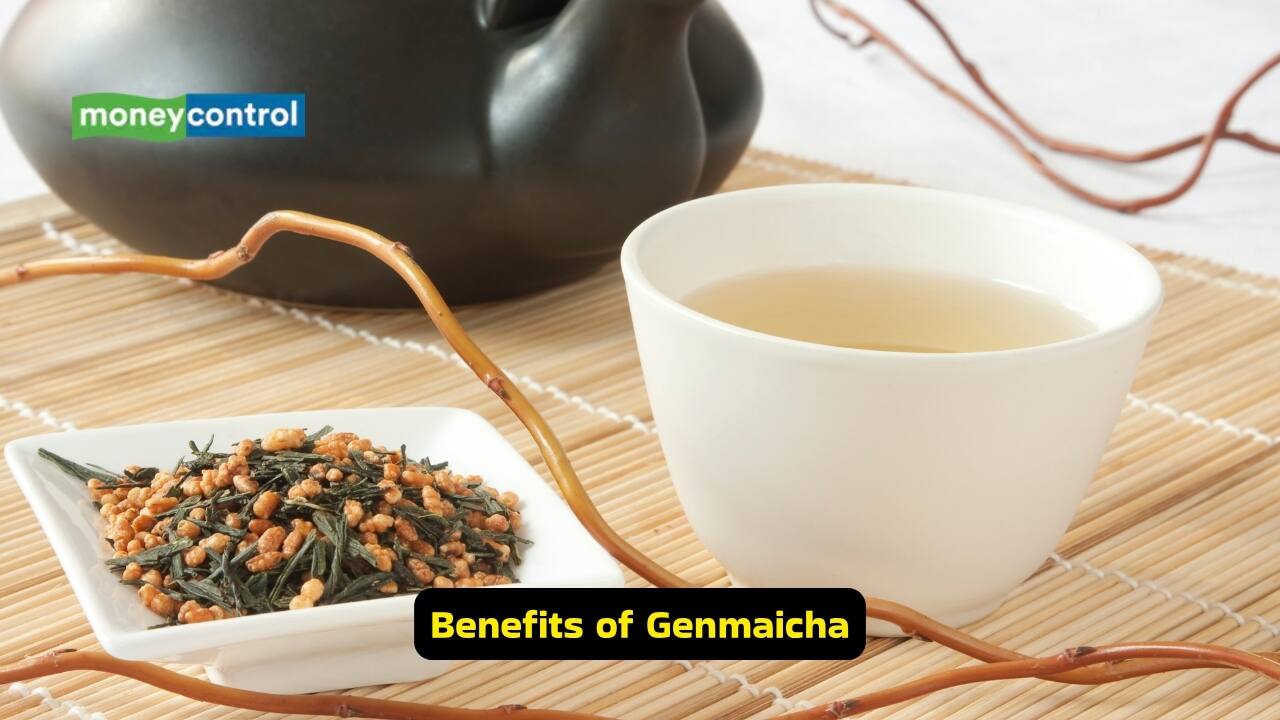 Genmaicha Japanese tea: This unique tea is a beautiful blend of Japanese green tea and roasted brown kernels, which pop during heating, giving it a popcorn-like appearance (Image: Canva)Unique Japanese tea: Genmaicha
Genmaicha is a beautiful blend of Japanese green tea and roasted brown kernels, which pop during heating, giving it a popcorn-like appearance. Its flavour is comforting, with a slight sweetness and a warm, nutty aroma. Many tea lovers enjoy it for its affordability. It can be consumed on its own or paired with foods such as sushi and other Japanese delicacies.
 Hojicha Japanese tea: It has a distinctive smoky, nutty flavour and aroma (Image: Canva)Unique Japanese tea: Hojicha
If you aren’t a fan of too much caffeine, Hojicha is a popular option. It is made from mature leaves and stems, and its reddish-brown colour comes from roasting (not steaming). It has a distinctive smoky, nutty flavour and aroma. Low in caffeine, it is best suited for evenings when you want to relax. It can also be enjoyed alongside savoury dishes.
 Gyokuro Japanese tea: It has high levels of chlorophyll content, lending it its sweetness and umami flavour (Image: Canva)Unique Japanese tea: Gyokuro
Gyokuro is grown in the shade for several weeks, which gives it high levels of chlorophyll content, lending it its sweetness and umami flavour. Great care is taken to preserve its distinct taste. This tea is expensive due to the amount of labour undertaken for its cultivation. Its unique flavour and health benefits contribute to making it a highly demanded tea in Japan.
Discover the latest Business News, Sensex, and Nifty updates. Obtain Personal Finance insights, tax queries, and expert opinions on Moneycontrol or download the Moneycontrol App to stay updated!

Find the best of Al News in one place, specially curated for you every weekend.
Stay on top of the latest tech trends and biggest startup news.




