-
My Account











7 Ikigai-Inspired Japanese Practices to Overcome Laziness
The Japanese philosophy of Ikigai (生き甲斐)—your "reason for being"—blends passion, purpose, and action to create a meaningful life. If laziness or procrastination is holding you back, these seven timeless Japanese practices can help you rediscover motivation, discipline, and joy in your daily routine.




1/7
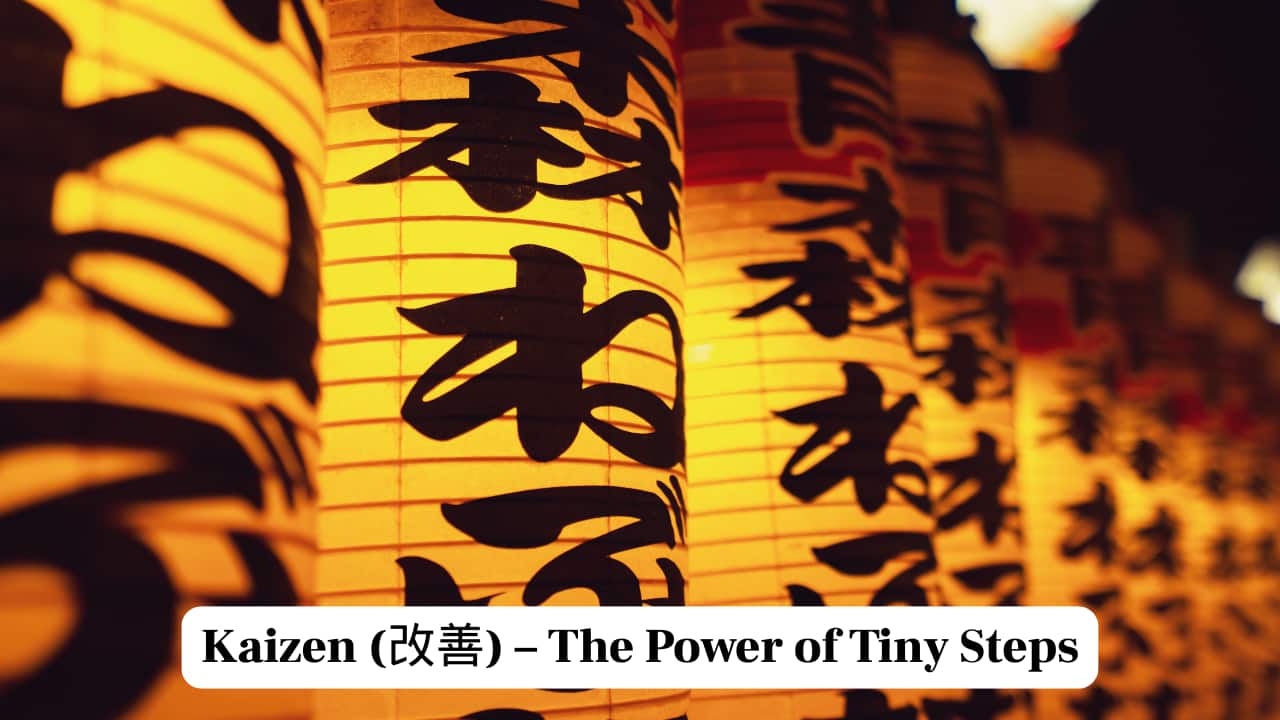
Kaizen (改善) – The Power of Tiny Steps
Kaizen, the art of continuous improvement, teaches us that big changes start with small, consistent actions. Instead of overwhelming yourself with massive goals, focus on making tiny, manageable progress each day—whether it’s reading one page, writing a few sentences, or exercising for just five minutes. Over time, these small steps compound into significant results, reducing resistance and making it easier to stay committed.
Kaizen, the art of continuous improvement, teaches us that big changes start with small, consistent actions. Instead of overwhelming yourself with massive goals, focus on making tiny, manageable progress each day—whether it’s reading one page, writing a few sentences, or exercising for just five minutes. Over time, these small steps compound into significant results, reducing resistance and making it easier to stay committed.
2/7
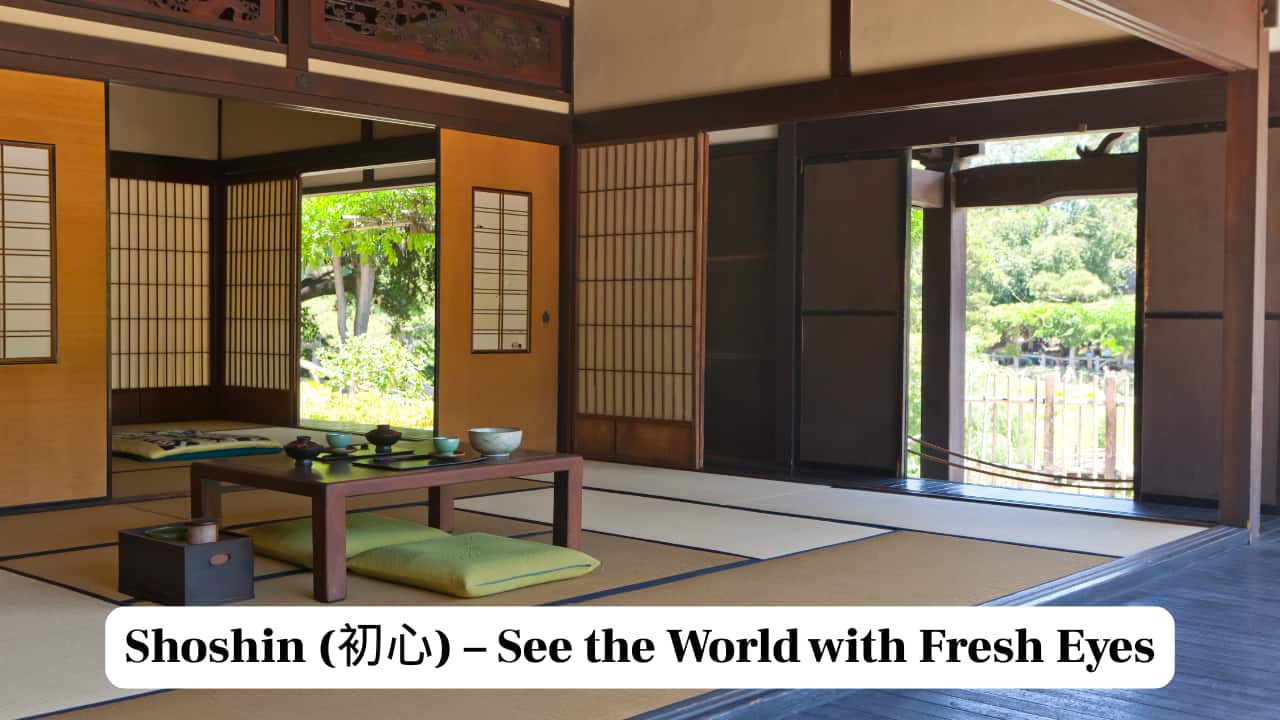
Shoshin (初心) – See the World with Fresh Eyes
Shoshin, or the "beginner’s mindset," encourages approaching tasks with curiosity and openness, as if experiencing them for the first time. When laziness creeps in, ask yourself: "What’s one new thing I can learn from this?" By shifting your perspective, you reignite interest in routine activities and break free from the monotony that often fuels procrastination.
Shoshin, or the "beginner’s mindset," encourages approaching tasks with curiosity and openness, as if experiencing them for the first time. When laziness creeps in, ask yourself: "What’s one new thing I can learn from this?" By shifting your perspective, you reignite interest in routine activities and break free from the monotony that often fuels procrastination.
3/7
Pomodoro Technique (ポモドーロ・テクニック) – Work in Focused Bursts
Developed by Francesco Cirillo, this method is inspired by the simplicity of a tomato-shaped timer (pomodoro in Italian). The technique involves working in 25-minute sprints, followed by a 5-minute break. After four cycles, take a longer break. This structured approach keeps your mind sharp, prevents burnout, and makes daunting tasks feel more approachable.
Developed by Francesco Cirillo, this method is inspired by the simplicity of a tomato-shaped timer (pomodoro in Italian). The technique involves working in 25-minute sprints, followed by a 5-minute break. After four cycles, take a longer break. This structured approach keeps your mind sharp, prevents burnout, and makes daunting tasks feel more approachable.
4/7
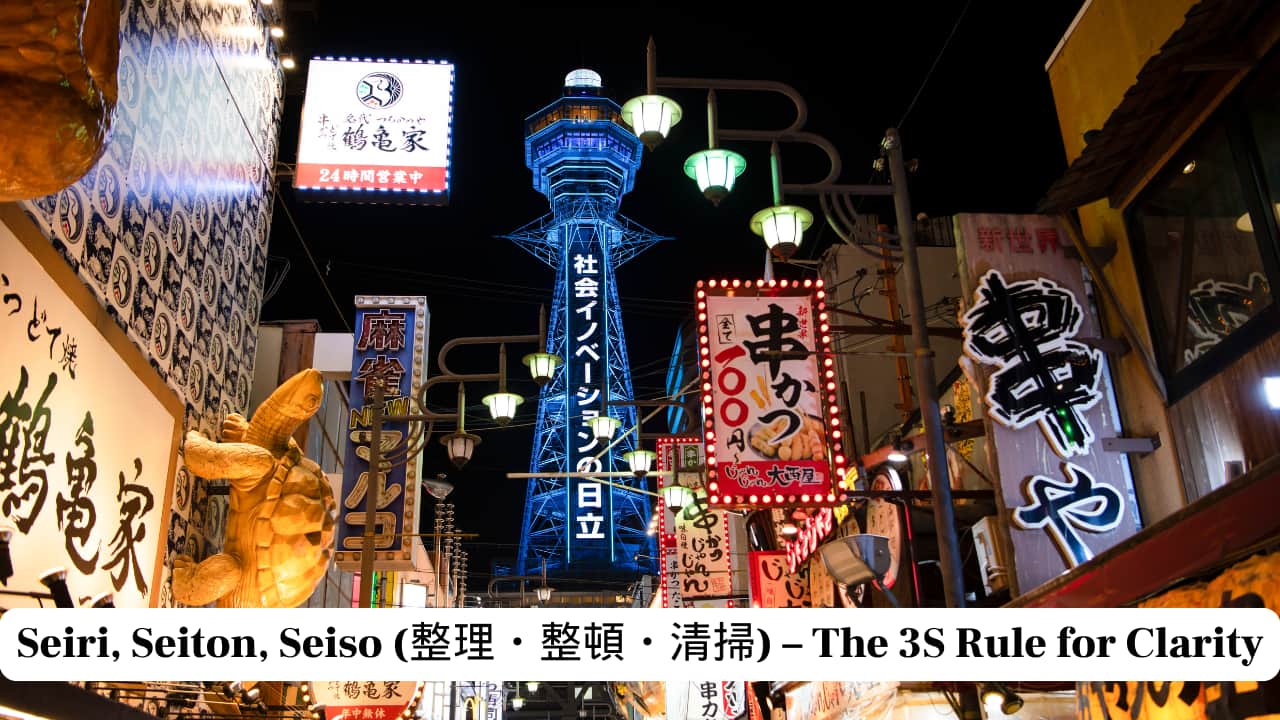
Seiri, Seiton, Seiso (整理・整頓・清掃) – The 3S Rule for Clarity
Rooted in Japanese workplace efficiency, these three principles—Sort (Seiri), Systemize (Seiton), and Shine (Seiso)—help eliminate mental and physical clutter. Start by removing unnecessary distractions, organizing your workspace, and keeping your environment clean. A tidy space fosters a clear mind, making it easier to focus and take action.
Rooted in Japanese workplace efficiency, these three principles—Sort (Seiri), Systemize (Seiton), and Shine (Seiso)—help eliminate mental and physical clutter. Start by removing unnecessary distractions, organizing your workspace, and keeping your environment clean. A tidy space fosters a clear mind, making it easier to focus and take action.
5/7
Hara Hachi Bu (腹八分目) – The 80% Rule for Balance
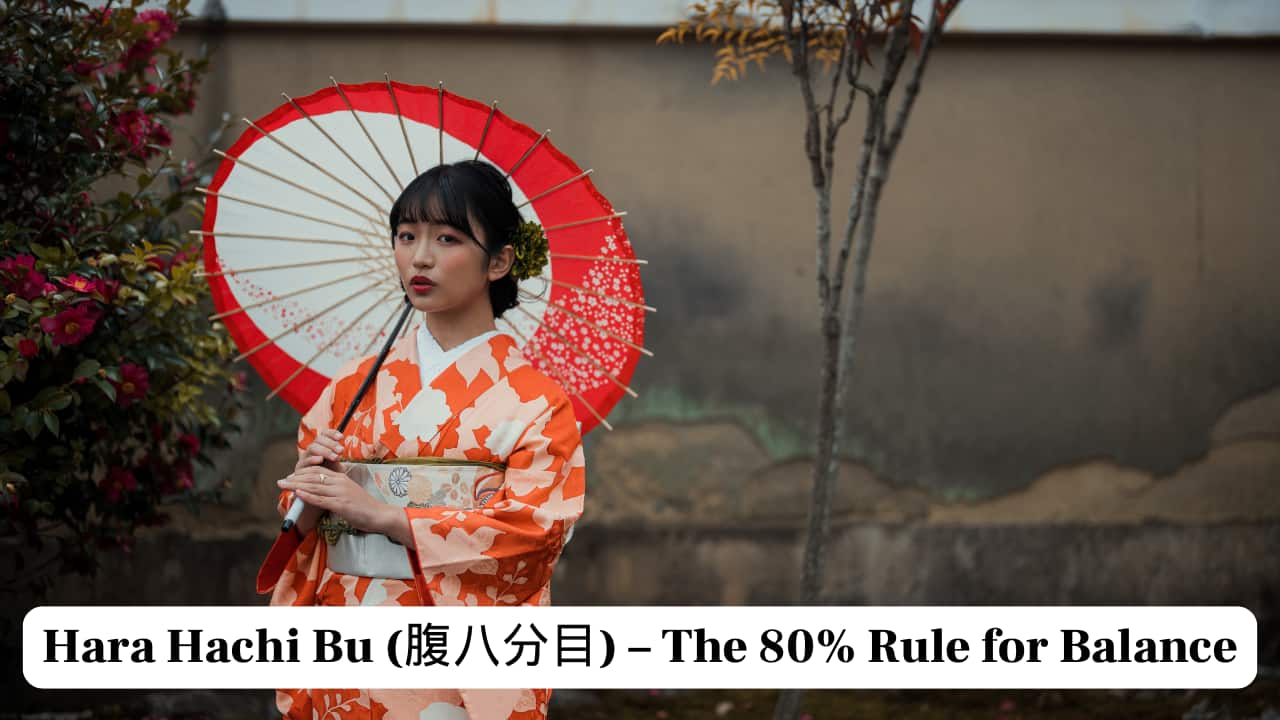
Originating from Okinawan wisdom on longevity, this principle suggests stopping at 80% capacity—whether eating, working, or exercising. Instead of pushing yourself to exhaustion, leave room for renewal. Applied to productivity, it means finishing a task before burnout sets in, ensuring you maintain enthusiasm for the next day.
Originating from Okinawan wisdom on longevity, this principle suggests stopping at 80% capacity—whether eating, working, or exercising. Instead of pushing yourself to exhaustion, leave room for renewal. Applied to productivity, it means finishing a task before burnout sets in, ensuring you maintain enthusiasm for the next day.
6/7
Wabi-Sabi (侘寂) – Embrace Imperfect Progress
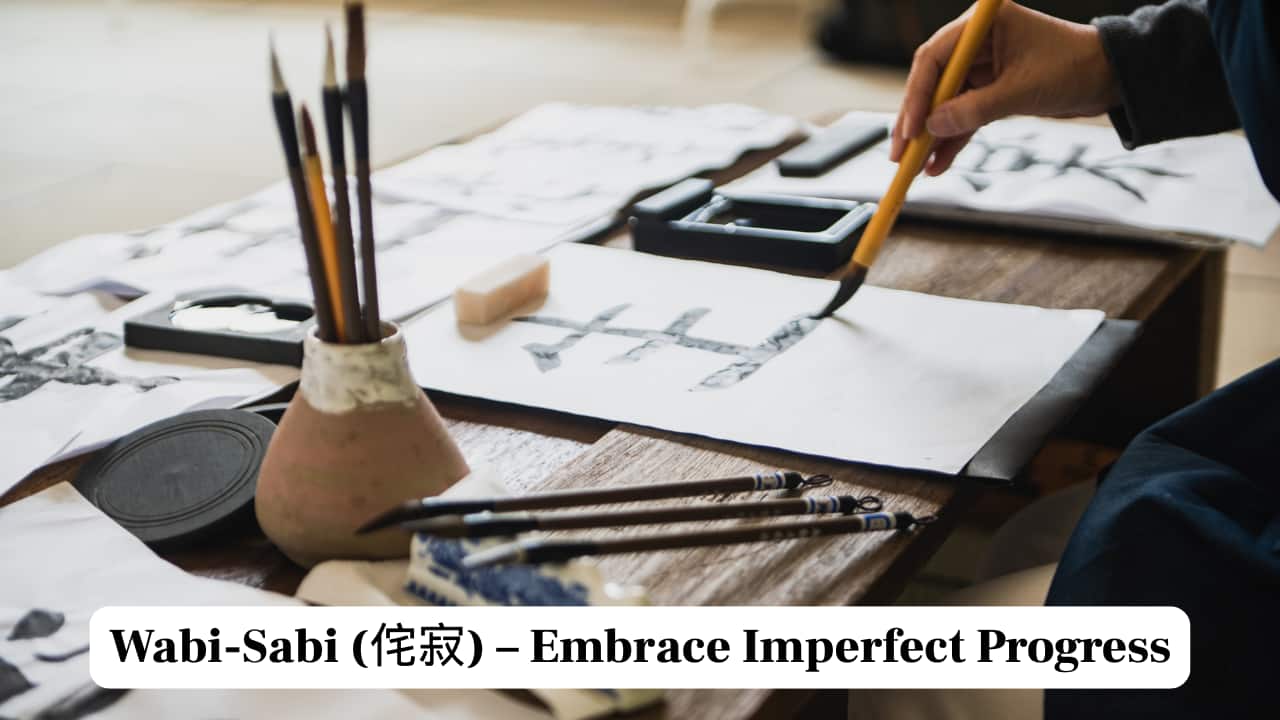
In a world obsessed with perfection, Wabi-Sabi reminds us to find beauty in imperfection. If laziness stems from fear of failure, adopt the mindset that "done is better than perfect." Allow yourself to start messy, refine later, and appreciate the journey rather than fixating on flawless results.
In a world obsessed with perfection, Wabi-Sabi reminds us to find beauty in imperfection. If laziness stems from fear of failure, adopt the mindset that "done is better than perfect." Allow yourself to start messy, refine later, and appreciate the journey rather than fixating on flawless results.
7/7

Moai (模合) – The Strength of Community
Moai refers to a lifelong support group, a tradition from Okinawa where people gather for mutual encouragement. Whether it’s a workout buddy, study group, or accountability partner, surrounding yourself with motivated people creates a sense of responsibility and shared purpose, making it harder to succumb to laziness.
Moai refers to a lifelong support group, a tradition from Okinawa where people gather for mutual encouragement. Whether it’s a workout buddy, study group, or accountability partner, surrounding yourself with motivated people creates a sense of responsibility and shared purpose, making it harder to succumb to laziness.
Discover the latest Business News, Budget 2025 News, Sensex, and Nifty updates. Obtain Personal Finance insights, tax queries, and expert opinions on Moneycontrol or download the Moneycontrol App to stay updated!



