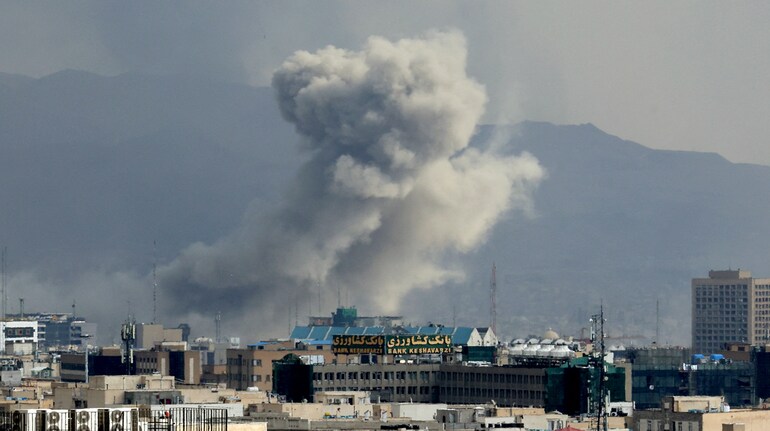
For decades, Dubai has promoted itself as a place insulated from the turbulence of the Middle East. That image is now under strain.
Since the United States and Israel launched military operations against Iran, the United Arab Emirates has become one of the main targets of Iranian retaliation across the Gulf. According to regional officials and defence assessments, roughly two-thirds of the missiles and drones fired by Iran toward Gulf states have been directed at the UAE.
Residents in Dubai say the war has transformed the atmosphere of a city usually associated with tourism, finance and trade, the Financial Times reported. On Palm Jumeirah, the luxury artificial island that symbolises Dubai’s rapid rise, people have been watching missile interceptions light up the night sky.
Some hotels even converted ballrooms into temporary sleeping areas after worried guests asked for safer spaces during missile alerts.
Flights halted at one of the world’s busiest airports
Dubai International Airport, normally among the busiest aviation hubs on the planet, temporarily cancelled thousands of flights when the first Iranian strikes began.
Airlines have gradually resumed some operations, but the disruption stranded large numbers of passengers and shook confidence in one of the pillars of Dubai’s economy. Aviation links are critical to the emirate’s role as a bridge connecting Europe, Asia and Africa.
Government officials have been working to repatriate tens of thousands of stranded tourists while airlines attempt to restore normal schedules.
Even with flights returning, the images of missile interceptions over the Gulf have challenged Dubai’s long-standing reputation as a calm gateway between continents.
Dubai’s economic model faces pressure
The war is testing the foundations of Dubai’s economic model. The city has grown over the past five decades by positioning itself as a neutral commercial hub in a volatile region.
Low taxes, easy business regulations and a reputation for stability attracted investors, tourists and expatriates from around the world. The emirate became one of the Middle East’s most important centres for finance, logistics and real estate.
But direct attacks on infrastructure have shattered the belief that Dubai is insulated from regional conflict. Debris from intercepted drones has struck buildings near landmarks such as the Burj Al Arab, while a hotel on Palm Jumeirah was damaged during the attacks.
Although casualties in the UAE have been limited, the symbolism of the strikes has reverberated internationally.
Real estate and trade begin to slow
The economic impact is already visible. Property deals in Dubai have slowed sharply as investors adopt a wait-and-see approach. Lawyers and brokers say several large transactions have been postponed and some buyers are pushing for discounts on luxury homes.
Shipping and trade are also facing disruptions. Tankers and cargo vessels are avoiding the Strait of Hormuz, the narrow waterway through which much of the Gulf’s energy exports normally pass.
Consultants working with companies in the region say exports through Dubai’s ports have slowed significantly as logistics networks adjust to the security risks.
Residents weigh whether to stay
The uncertainty has unsettled some expatriates, who make up the majority of Dubai’s population. Wealthy residents have booked private jets to leave temporarily, while others are monitoring the situation before deciding whether to relocate.
At the same time, many long-term residents say they plan to stay. Construction sites remain active, office workers continue operating remotely and shops and malls have reopened after the initial shock of the attacks.
Officials argue that the UAE’s defence systems and crisis management have limited the damage so far. The country intercepted more than 90 percent of incoming missiles and drones during the first week of the conflict.
Even so, the war has exposed a reality that Dubai had largely managed to avoid for decades: geography still matters.
A city that built its identity around stability now finds itself closer to the centre of the region’s most dangerous confrontation.
Discover the latest Business News, Sensex, and Nifty updates. Obtain Personal Finance insights, tax queries, and expert opinions on Moneycontrol or download the Moneycontrol App to stay updated!
Find the best of Al News in one place, specially curated for you every weekend.
Stay on top of the latest tech trends and biggest startup news.