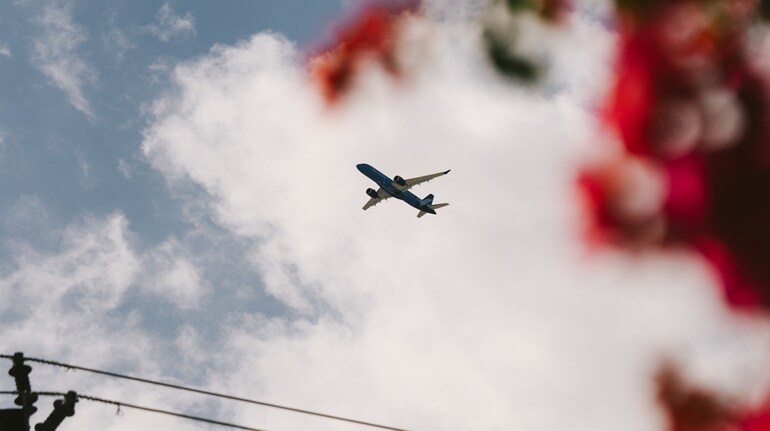

The global airline industry is dealing with its most serious disruption since the pandemic, and this time the trigger is the ongoing conflict in the Middle East.
Flights across the region have been affected as airspace closures and security risks force airlines to cancel or reroute services. The impact isn’t limited to the Gulf. Carriers across Europe and Asia are also feeling the strain, with longer routes, higher costs and growing uncertainty around schedules, the Financial Times reported.
One of the biggest pressures is fuel. Jet fuel prices have surged sharply since the conflict escalated, and for airlines, that’s a major problem. Fuel typically makes up about a third of their operating costs, so even a small increase hits margins quickly. Executives say the recent spike has been steep enough that airlines have little choice but to pass some of that cost on to passengers.
That means travellers are likely to see higher ticket prices in the coming months. Airlines had only recently returned to stable footing after the pandemic, with demand picking up and profits improving. Now, that recovery is under pressure again.
The financial impact has already been visible in the markets. Shares of major airlines have taken a hit, with billions wiped off their combined value since the conflict began. Investors are also betting on further declines in some cases, reflecting concerns that the disruption could last longer than expected.
Airlines are also preparing for more serious scenarios. Some are drawing up contingency plans in case fuel supplies tighten, especially if the conflict begins to affect production or transport routes more directly. Others are looking at cutting or reshaping routes, particularly those that depend heavily on stable airspace in the Middle East.
The disruption is hitting Gulf carriers particularly hard. Airlines like Emirates, Etihad and Qatar Airways rely heavily on the region as a global hub, connecting long-haul routes across continents. With airspace restrictions and a drop in travel demand, their schedules have already been scaled back.
There are also knock-on effects beyond passenger travel. As shipping routes face disruption, more cargo is being moved by air, putting extra pressure on airline capacity and airport operations.
Even so, industry leaders believe the situation could stabilise if the conflict eases. For now, though, the industry is in a familiar position, dealing with rising costs, uncertain demand and the challenge of adjusting quickly to a rapidly changing global situation.
Discover the latest Business News, Sensex, and Nifty updates. Obtain Personal Finance insights, tax queries, and expert opinions on Moneycontrol or download the Moneycontrol App to stay updated!
Find the best of Al News in one place, specially curated for you every weekend.
Stay on top of the latest tech trends and biggest startup news.