
The Middle East conflict has crossed a critical threshold.
For the first time since hostilities began, upstream gas production facilities, the source of energy itself, have been directly targeted.
Until now, strikes had largely focused on broader oil and gas infrastructure, avoiding production assets that underpin global supply.
That restraint appears to be breaking.
The latest attacks signal a deeper escalation with potentially long-lasting consequences for energy markets and the global economy.
What has been hit so far
Two key strikes in recent days underline the shift.
Shah gas field, UAE
An Iranian drone attack on Tuesday forced a halt to operations at Abu Dhabi’s Shah gas field:
South Pars gas field, Iran
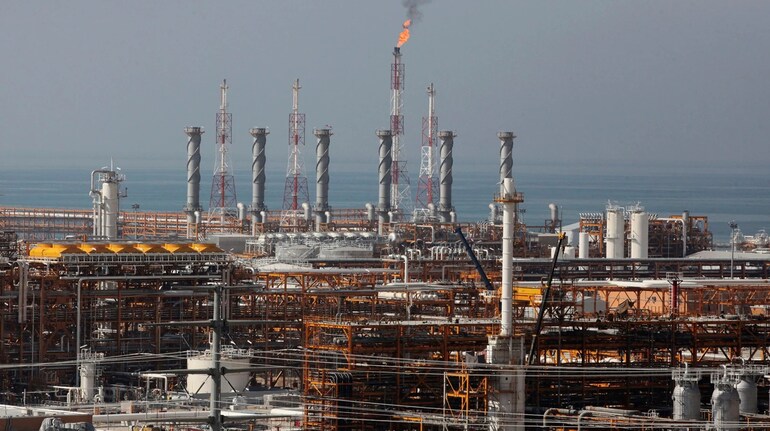
On Wednesday, a production facility at South Pars, the world’s largest natural gas field, shared between Iran and Qatar, was struck.
The field is central to global energy supply, with an estimated 1,800 trillion cubic feet of reserves, making it one of the most critical gas assets worldwide.
For Iran, South Pars is the backbone of its energy system, supplying the bulk of electricity and industrial demand. For Qatar, it is the engine of its global gas exports.
Any disruption to this field carries risks far beyond the region, with implications for global gas supply, LNG markets, and energy prices.
Why this escalation matters
The distinction between infrastructure and production is crucial.
As Saul Kavonic of MST Financial told the Financial Times, removing even a few million barrels of output could have lasting consequences because “there is no way to refill stocks even after the war ends.”
The highest risk lies in potential strikes on liquefied natural gas (LNG) facilities, which are complex and time-consuming to rebuild.
Regional tensions rise sharply
The strikes have triggered strong reactions across the region.
The exchange of threats raises the risk of a broader cycle of retaliation targeting critical energy assets.
Lessons from past conflicts
History suggests recovery may not be quick.
After the 2003 Iraq war, oil production took more than two years to return to pre-war levels despite significant investment.
More recently, attempts to repair Ukraine’s damaged energy infrastructure have been slowed by:
Similar constraints could apply if Gulf production facilities sustain serious damage.
Why energy is central to Gulf stability
Energy production in the Gulf is not just economic, it underpins the region’s political and social order.
It funds public spending and welfare systems
Supports living standards and employment
Shapes regional diplomacy and alliances
The South Pars field, for instance, has historically acted as a shared economic interest between Iran and Qatar, at times easing tensions.
Strikes on such assets risk destabilising not just supply, but also fragile political balances.
The global implications
The escalation introduces a new layer of uncertainty for the global economy.
If attacks on production continue:
Diesel prices in the US have already crossed $5 per gallon, adding to political pressure ahead of midterm elections.
Discover the latest Business News, Sensex, and Nifty updates. Obtain Personal Finance insights, tax queries, and expert opinions on Moneycontrol or download the Moneycontrol App to stay updated!
Find the best of Al News in one place, specially curated for you every weekend.
Stay on top of the latest tech trends and biggest startup news.