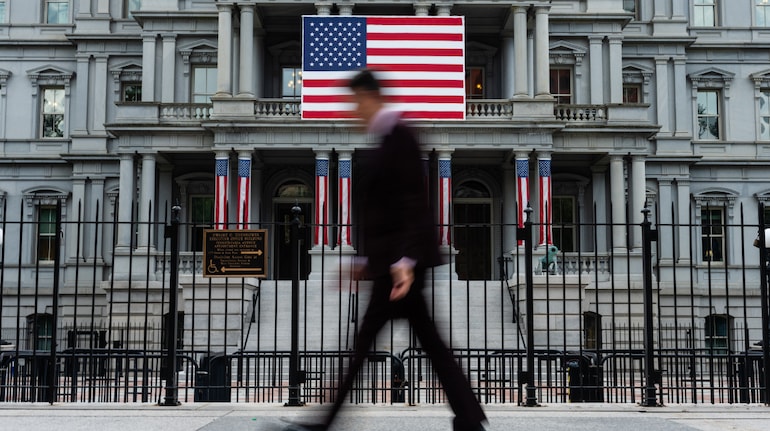
A funding impasse in the US Congress has raised the risk of a partial shutdown, with Democrats pushing for changes to immigration enforcement and Republicans resisting amendments to a broad spending bill. Because funding for Department of Homeland Security is bundled with other agencies, blocking it would also affect departments tied to the same legislation.
Unlike a full shutdown, this scenario would leave some parts of the federal government operating normally while others pause, the Washington Post reported.
Agencies that would keep operating
Several large departments would remain open because they already have full-year funding or are financed outside the annual appropriations process. These include the US Department of Agriculture, Department of Veterans Affairs, Department of Energy, Department of Justice, and Department of Commerce.
National parks, Smithsonian museums and the National Zoo would also stay open, since they are funded through the end of the fiscal year.
Agencies likely to be affected
Departments whose funding would lapse include US Homeland Security, Defence, Education, Health and Human Services, Housing and Urban Development, Transportation, State, Labor and Treasury. Together, they make up the bulk of federal discretionary spending.
Within these agencies, “essential” functions would continue. That typically means border security, air traffic control, national defence and emergency response stay operational, even if many employees work without pay.
What continues despite a shutdown
Social Security checks, Medicare and Medicaid payments would keep going. The Internal Revenue Service would likely continue core tax-season work, as it has in past shutdowns. Mail delivery would not be affected because the United States Postal Service is self-funded.
Airports would stay open, but travellers could see longer security lines or delays if support staff are furloughed.
What could pause or slow down
US federal loans for housing and small businesses may be delayed. Some court services, permitting offices and regulatory functions could temporarily stop. Federal contractors are especially vulnerable, since they are not guaranteed back pay after a shutdown ends.
The human and economic cost
Hundreds of thousands of federal workers could be furloughed or required to work without pay. While they are legally guaranteed back pay, the disruption often causes financial strain and ripples through local economies. Past shutdowns have also reduced economic growth and delayed key data releases, making it harder to gauge the health of the economy.
The bottom line
A partial shutdown doesn’t mean the government grinds to a halt. Core services keep running, but everyday functions that people rely on quietly can slow or stop. The longer it lasts, the more visible and costly the disruption becomes, for workers, businesses and the public alike.
Discover the latest Business News, Sensex, and Nifty updates. Obtain Personal Finance insights, tax queries, and expert opinions on Moneycontrol or download the Moneycontrol App to stay updated!
Find the best of Al News in one place, specially curated for you every weekend.
Stay on top of the latest tech trends and biggest startup news.