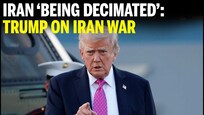

As the war between the United States, Israel and Iran stretches into its third week, one of the most consequential questions surrounding the conflict is why President Donald Trump chose to launch the operation despite clear warnings that Iran could retaliate by blocking the Strait of Hormuz.
According to a report by the Wall Street Journal, Trump was repeatedly briefed before the war that Iran could attempt to shut down the strategic waterway. The Strait of Hormuz carries roughly a fifth of the world’s oil supply and is widely considered the most critical shipping lane in the global energy system.
Warnings before the war
Gen. Dan Caine, chairman of the Joint Chiefs of Staff, warned Trump in several briefings that Iran could deploy mines, drones and missiles to disrupt shipping through the strait, according to people familiar with the discussions cited by the Wall Street Journal.
US officials had long believed Tehran would treat the waterway as its strongest leverage point if a conflict erupted.
Despite those warnings, Trump decided to proceed with military action. According to people familiar with the decision-making process, the president believed Iran would likely back down before taking such a drastic step. He also told advisers that even if Iran attempted to close the strait, the US military would be able to manage the situation.
The decision reflected Trump’s strong confidence in US military power and its ability to deliver a rapid and decisive outcome, according to administration officials cited in the Wall Street Journal.
The White House said the risks were understood before the operation was approved. Officials also discussed plans to force the reopening of the strait and use US Navy ships to escort commercial tankers through the waterway if necessary.
White House press secretary Karoline Leavitt said Washington had long prepared for such a scenario.
“The Pentagon has been planning for Iran’s desperate and reckless closure of the Strait of Hormuz for decades, and it has been part of the Trump administration’s planning well before Operation Epic Fury was ever launched,” she said.
Leavitt added that the military campaign itself was meant to weaken Iran’s ability to block the route.
“The U.S. operation to wipe out Iran’s military capability is quite literally intended to deprive them of their ability to close the Strait.”
Iran’s retaliation reshapes the conflict
Two weeks into the war, the Strait of Hormuz has become Iran’s most powerful bargaining tool.
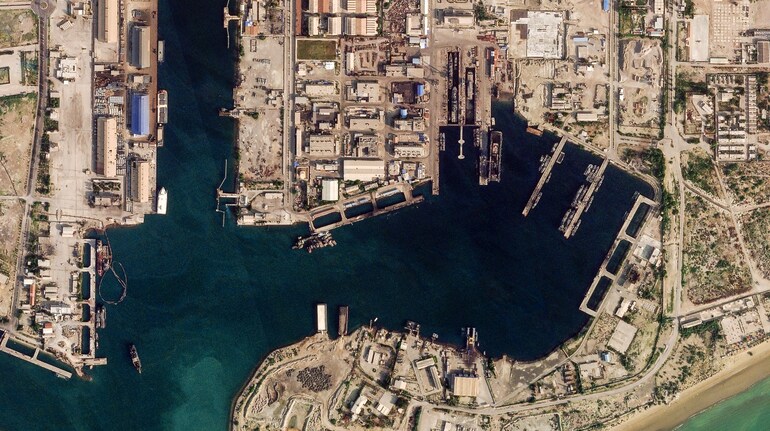
Iran has blocked tankers and launched attacks on cargo vessels, sending global oil prices sharply higher and triggering a broader energy shock. The United States has responded by targeting Iranian vessels, mine-laying ships, and weapons factories in an effort to prevent Tehran from fully mining the waterway.
The military campaign has inflicted major damage on Iran’s forces. According to US officials cited by the Wall Street Journal, more than 90 Iranian vessels have been destroyed or damaged.
But the conflict has also come at a cost. At least 13 American service members have been killed and more than 140 wounded since the war began.
Debate over planning and strategy
Critics argue the crisis in the Strait of Hormuz shows the administration underestimated the consequences of the war.
“They had no plan to address the crisis in the strait,” Senator Chris Murphy said after attending a classified briefing with administration officials. “The fact that these guys didn’t have a plan ahead of time, and a week into the war still didn’t have a plan, was pretty shocking.”
Defense Secretary Pete Hegseth dismissed those concerns and said Iran’s move to disrupt shipping reflected desperation.
Iran’s new Supreme Leader Mojtaba Khamenei has vowed to keep pressure on shipping in the strait, and intelligence assessments suggest the regime remains stable despite heavy military strikes.
Karim Sadjadpour, an Iran specialist at the Carnegie Endowment for International Peace, described the situation as highly volatile.
“The Trump administration has kicked hard, but not destroyed, a hornet’s nest,” he said.
The difficult choices ahead
With the conflict continuing and the Strait of Hormuz under threat, Trump now faces a narrow set of strategic options.
One option would be to end the military campaign and accept that Iran’s government remains in power but weakened. Analysts say this could allow Tehran to eventually rebuild its military capabilities and maintain pressure on regional shipping.
The other option is to continue the military operation in an effort to further degrade Iran’s forces and reopen the strait. That path carries the risk of escalating casualties, broader regional instability and political backlash at home.
Public opinion polls in the United States show many Americans oppose a prolonged conflict, raising concerns within Trump’s political base about another long Middle East war.
For now, the administration insists the war will end quickly once US military objectives are achieved. Trump has repeatedly said victory is close.
“We’ve won,” he told a crowd earlier this week.
Privately, however, officials cited by the Wall Street Journal say the fighting could continue for weeks and that additional US forces, including Marines and warships, are already moving toward the region.
Ultimately, analysts say the president may face a final option if the conflict drags on. He could simply declare success and bring the war to an end.
Discover the latest Business News, Sensex, and Nifty updates. Obtain Personal Finance insights, tax queries, and expert opinions on Moneycontrol or download the Moneycontrol App to stay updated!
Find the best of Al News in one place, specially curated for you every weekend.
Stay on top of the latest tech trends and biggest startup news.