




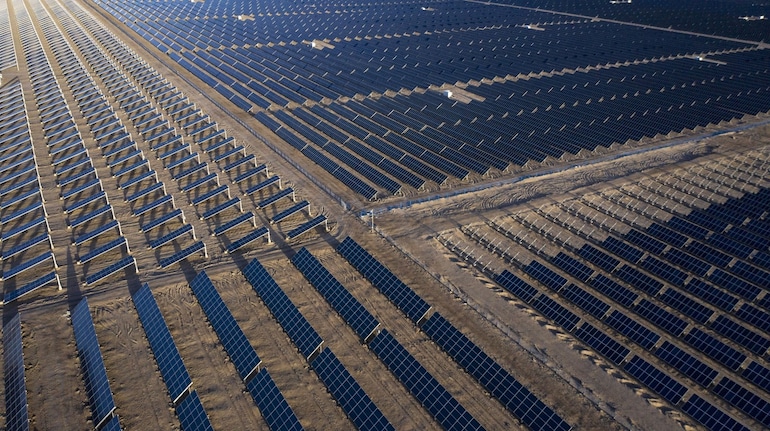
Saudi Arabia’s largest companies are increasingly investing in solar energy, driven by the government’s elimination of electricity subsidies and its ambitious clean energy targets. The shift reflects both environmental goals and a practical response to rising power costs, with firms in logistics, retail, and healthcare now installing rooftop photovoltaic systems, the Financial Times reported.
Fakeeh Care Group, a private healthcare network in Jeddah, reported saving over SR170,000 ($45,000) on its 2024 electricity bill after deploying solar panels. “We have managed to reduce our carbon footprint and cost, albeit marginally,” said Mazen Fakeeh, the group’s president. “But we’re encouraged by the initial results.”
Subsidy cuts fuel solar adoption
Although the Saudi government aims to source half of its energy from renewables by 2030, experts say the most immediate driver of commercial solar investment is the 2018 decision to phase out power subsidies. The move, part of broader economic reforms, has increased electricity tariffs for businesses—prompting a reconsideration of rooftop solar viability.
“Commercial clients, like malls and warehouses, paying the highest tariffs are far more receptive to rooftop solar,” said Faris al-Sulayman, co-founder of local solar firm Haala Energy. Meanwhile, industrial clients with lower electricity rates have been slower to respond.
Global green mandates and supply chain pressure
The shift also reflects international corporate influence. Saudi subsidiaries of global brands such as Ikea and GSK have adopted solar to align with parent company sustainability mandates. Local firms with global supply chains have followed suit to maintain credibility with partners.
At Tamer Group, a logistics and healthcare distribution company, solar panels on warehouses in Riyadh and Jeddah saved SR440,000 last year. “Our suppliers and partners globally are watching,” said Amr Elmansoury, the company’s chief supply chain officer.
Chinese investment and local transformation
Chinese investments have played a key role in lowering solar costs. Roughly one-third of $21.6 billion in greenfield FDI from China into Saudi Arabia since 2021 has gone to clean technologies, including solar components.
But the biggest shift has come from within. Crown Prince Mohammed bin Salman’s reforms—especially diesel price hikes of 44% last year—have added urgency to energy diversification. “The direction of Saudi fiscal reform has been a highly significant factor,” said Shigeto Kondo of Japan’s Institute of Energy Economics.
A long-term bet on sustainability
Solar adoption remains capital-intensive, with long return timelines. Yet with government backing and falling hardware costs, more Saudi businesses appear willing to make the investment. “It’s a long-term play,” said Fakeeh. “But it’s the right direction.”
Discover the latest Business News, Sensex, and Nifty updates. Obtain Personal Finance insights, tax queries, and expert opinions on Moneycontrol or download the Moneycontrol App to stay updated!
Find the best of Al News in one place, specially curated for you every weekend.
Stay on top of the latest tech trends and biggest startup news.




