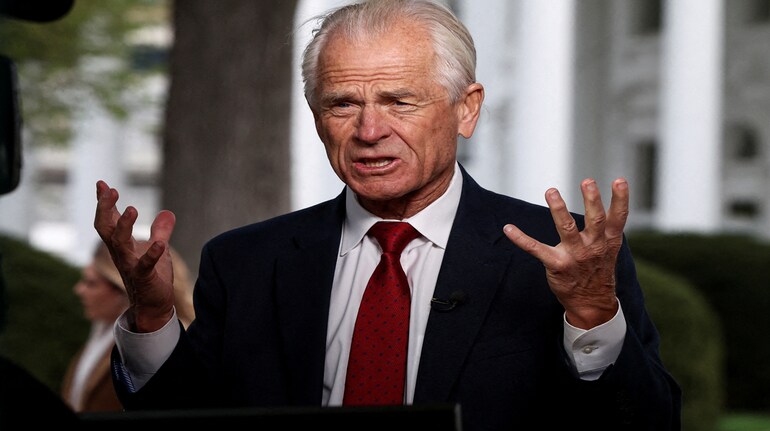
Donald Trump’s second term began with record markets, low unemployment and a Cabinet stacked with loyalists and celebrities. Elon Musk was tasked with cutting red tape through the new Department of Government Efficiency, while figures like Marco Rubio, Tulsi Gabbard and Robert F. Kennedy Jr. projected strength and novelty. Historians may one day agree it was a rare opportunity to consolidate economic prosperity. Yet momentum evaporated within months as Peter Navarro’s tariff fixation reshaped the agenda, the London Daily reported.
From liberal economist to protectionist zealot
Once a Harvard-trained Democrat who taught students about free trade, Navarro rebranded himself as the enemy of globalization. He urged Trump to abandon consensus economics and escalate tariffs against China. The outcome was not a careful rebalancing of trade flows but a blunt assault on supply chains worldwide. What might have been remembered as a deft second-term launch instead became mired in trade wars and diplomatic rifts.
Tariffs without a safety net
Navarro pressed for duties on nearly $370 billion of Chinese goods, prompting swift retaliation. U.S. farmers, carmakers and consumers bore the costs as prices rose and exports dried up. His economic models ignored basic arithmetic, dismissing inflationary pass-throughs while overstating job creation. Analysts quickly debunked the figures, but Navarro doubled down with combative television appearances, framing criticism as weakness.
Alienating allies and inventing experts
Allies such as Canada, Mexico, Japan and the EU were hit with “national security” tariffs on steel and aluminium, eroding trust just when Washington needed partnership against Beijing. The revelation that Navarro had cited a fictional expert—“Ron Vara,” an anagram of his own name—further discredited him. Critics called it scholarly malpractice, evidence that ideology, not data, underpinned his policy.
Collapse of early optimism
By spring 2025, boardrooms were shelving investments and consumers were rattled. Inflation rose, forcing the Federal Reserve to consider rate hikes. Trump’s wins on deregulation and energy independence were drowned out by stories of farm bailouts, disrupted supply chains and “trade-war roundtables.” The White House’s best opening chapter had turned into a case study in self-inflicted wounds.
A pariah in his own camp
Inside the West Wing, Navarro stood isolated. Staffers and cabinet members distanced themselves, while Elon Musk openly mocked him as “dumber than a brick.” The comment resonated not just for its bluntness but because it echoed bipartisan exasperation. Even Trump’s loyal aides warned that Navarro was undermining the legacy the president hoped to secure.
A cautionary tale
Navarro’s story illustrates how hubris and ideology can overwhelm analysis. Tariffs wielded without strategy weakened domestic momentum, alienated allies and handed leverage to Beijing. What began as a once-in-a-generation chance to lock in prosperity will instead be remembered as a squandered moment. Trump’s second term, historians may conclude, was derailed not by enemies abroad but by a single adviser’s refusal to listen.
Discover the latest Business News, Sensex, and Nifty updates. Obtain Personal Finance insights, tax queries, and expert opinions on Moneycontrol or download the Moneycontrol App to stay updated!
Find the best of Al News in one place, specially curated for you every weekend.
Stay on top of the latest tech trends and biggest startup news.