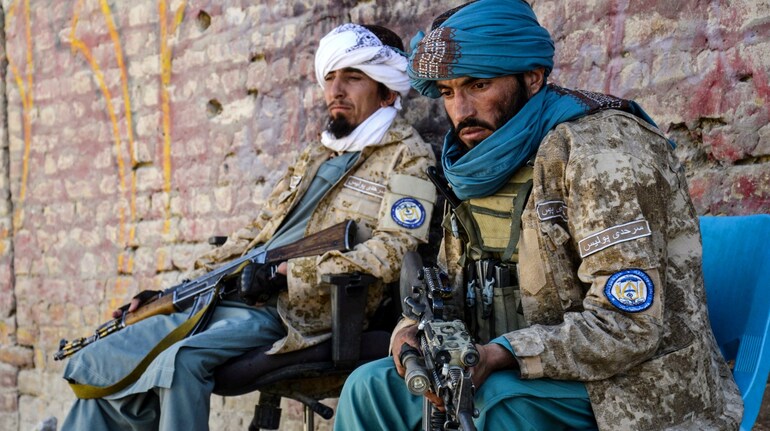
For decades, Pakistan sowed the seeds of terrorism in its neighbourhood, nurturing and weaponising jihadist groups as instruments of regional influence. Today, those same forces have turned to their masters. Over the weekend, Pakistan and Afghanistan plunged into open conflict, with fierce cross-border exchanges killing dozens on both sides -- the deadliest confrontation since the Taliban’s takeover of Kabul in 2021.
What began as airstrikes by Pakistan on Afghan territory has spiralled into a full-blown military clash, exposing the collapse of Islamabad’s once-vaunted control over the Taliban. The very regime Pakistan helped bring to power is now challenging its sovereignty, striking border posts and killing Pakistani soldiers in revenge.
The weekend clash: Taliban strikes back
The latest round of fighting erupted late Saturday night, when Taliban forces launched coordinated attacks on Pakistani military posts along the 2,600-km Durand Line. Kabul described it as “retaliation” for Pakistan’s airstrikes on Afghan soil two days earlier, which the Taliban said hit civilian areas in Kabul and Paktika province.
Pakistan, without directly admitting the strikes, claimed they were aimed at the Tehrik-e-Taliban Pakistan (TTP) leadership -- the Pakistani Taliban -- who Islamabad alleges operate freely from Afghan soil.
Heavy exchanges followed across multiple points, including Angoor Adda, Bajaur, Kurram, Dir and Chitral in Khyber Pakhtunkhwa, and Bahram Chah in Balochistan. Both sides have reported wildly different casualty figures: Kabul claims to have killed 58 Pakistani soldiers, while Pakistan insists 23 of its men died and more than 200 Taliban fighters were “neutralised.”
A relationship in ruins
The confrontation marks a dramatic breakdown in the relationship between Islamabad and Kabul. Once seen as the Taliban’s chief backer and facilitator, Pakistan now finds itself facing the wrath of the very movement it nurtured for decades.
In 2021, Pakistan’s then–ISI chief Lt Gen. Faiz Hameed was photographed in Kabul’s Serena Hotel, symbolising Islamabad’s grip over the newly installed Taliban regime. Four years later, that grip has vanished. Both the Kandahari faction led by Hibatullah Akhundzada and the powerful Haqqani Network, once considered Pakistan’s proteges, are now acting independently, ignoring Islamabad’s demands to curb the TTP.
Pakistan’s frustration has grown as the TTP’s cross-border attacks surged, killing hundreds of Pakistani troops and civilians this year alone. Instead of acting against them, the Taliban have reportedly sheltered and supplied the group, viewing the TTP as ideological allies rather than enemies.
Pakistan’s airstrikes and the fallout
Last week’s airstrikes by Pakistan on Afghan soil were the immediate trigger for the new escalation. Kabul accused Islamabad of “violating Afghanistan’s sovereignty,” claiming that at least one strike hit a civilian market. Pakistan’s military, however, described them as “targeted operations” against militant sanctuaries.
In response, Taliban fighters mounted a series of assaults on Pakistani border posts, briefly capturing and destroying several installations. Islamabad later claimed to have “repulsed the aggression” and launched counterattacks that destroyed “21 hostile positions” inside Afghanistan.
Prime Minister Shehbaz Sharif hailed his army’s response, declaring, “There will be no compromise on Pakistan’s defence. Every act of aggression will be met with a strong and effective response.”
Why Pakistan and the Taliban are now enemies
The root of the conflict lies in Pakistan’s long-standing attempt to control Afghan politics through terror proxies. For decades, it sheltered Taliban leaders, offered them safe havens, and treated Afghanistan as its “strategic depth” against India. But after the US withdrawal, the Taliban no longer needed Pakistan’s patronage.
Once in power, the Taliban began asserting Afghan nationalism over Pakistani dominance. They refused to accept the British-era Durand Line as the international border and began supporting cross-border Pashtun movements that challenge Pakistan’s authority in its tribal areas.
The final break came with the Taliban’s open defiance over the TTP issue. Rather than rein in the Pakistani Taliban, they offered them protection -- a betrayal Islamabad can neither ignore nor contain.
The global and regional response
The clashes have alarmed regional powers. Saudi Arabia, Qatar, and Iran have all urged restraint. Riyadh, despite its new “security pact” with Islamabad, has refrained from backing Pakistan’s actions, calling instead for “dialogue and wisdom.”
Even the United States has taken note, with former President Donald Trump -- now overseeing mediation efforts in the Middle East -- quipping aboard Air Force One, “I hear there is a war now going on between Pakistan and Afghanistan. I’ll have to wait till I get back. I’m good at solving wars.”
What this means for India
For India, the conflict comes at a strategically opportune moment. Afghan Foreign Minister Amir Khan Muttaqi is currently in New Delhi, holding talks with External Affairs Minister S Jaishankar. The two reaffirmed their shared commitment to combating cross-border terrorism and promoting regional stability.
A joint India–Afghanistan statement said both nations “unequivocally condemned all acts of terrorism emanating from regional countries,” an unmistakable reference to Pakistan.
Islamabad reacted angrily, summoning the Afghan envoy and rejecting the joint statement as “baseless.” Analysts believe Muttaqi’s high-profile visit to India, and his public assurances that Afghanistan has been “cleared of anti-India terror groups”, may have been one of the triggers behind Pakistan’s military escalation.
Discover the latest Business News, Sensex, and Nifty updates. Obtain Personal Finance insights, tax queries, and expert opinions on Moneycontrol or download the Moneycontrol App to stay updated!





Find the best of Al News in one place, specially curated for you every weekend.
Stay on top of the latest tech trends and biggest startup news.