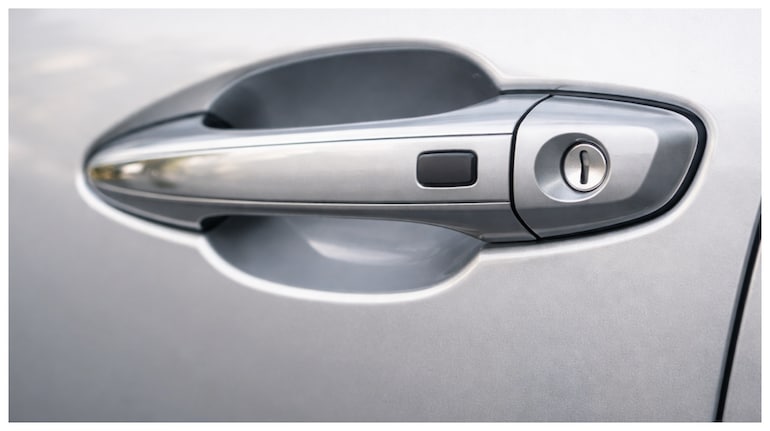

Starting January 1, 2027, all new passenger cars sold in China must be equipped with door handles whose mechanical operation works even when the vehicle has lost power. The ban targets electrically operated retractable handles seen on many modern electric vehicles after concerns that such systems can fail in emergencies like crashes or power outages. The latest move constitutes a broader overhaul of automotive safety reforms introduced by the Ministry of Industry and Information Technology.
Why safety is driving the change
In the recent past, there has been a trend towards retractable door handles that are flush with the vehicle body and extend out electronically when required. While the design looks sleeker and is a minor aid to aerodynamics, safety bodies are concerned these can be difficult to open, particularly if the car battery is damaged or power is cut during a collision. In several instances, rescuers and occupants have struggled to get out because the handle did not deploy, leading regulators to rethink their approval for use. The new rules seek to ensure that doors can always be opened manually without resorting to electrical systems.
How the regulation will work in practice
The new regulations will dictate that all new passenger vehicles with a gross vehicle mass of up to 3.5 tons will have both exterior and interior door handles that have a mechanical release. This essentially means that even when the vehicle's power is completely off, occupants or rescuers will be able to open the doors without electric assistance. Of course, cars will still be allowed to have fancy designs, but they will have to incorporate a proper mechanical function that meets the prescribed safety standards.
Impact on electric vehicle manufacturers
In fact, electric vehicle makers including major brands that have adopted retractable handles will have to reconsider styling for the Chinese market. Firms like Tesla, BYD, and other local EV makers commonly deploy them to give their models an extra layer of futuristic flair, also helping to prolong range a bit by reducing drag. Under the new rules, such designs must be equipped with mechanical redundancy or other types of handles for models sold in China. The country’s status as the biggest auto market in the world means this may spell a change that could ripple into global design trends.
Public and industrial reaction
Many road users in China have welcomed this safety-oriented approach, considering the increasing number of vehicles on the road and the corresponding rise in emergency response concerns linked to electronic handle failures. Simultaneously, designers and engineers face a challenge in balancing modern aesthetics with these new mandatory functional requirements. Automakers are already exploring alternatives that will maintain a sleek look while meeting this manual operation standard.
In all, China's move reflects a broader prioritization of occupant safety over stylistic trends, and it may prompt other countries to reassess similar design practices in their vehicle safety rules.
Discover the latest Business News, Sensex, and Nifty updates. Obtain Personal Finance insights, tax queries, and expert opinions on Moneycontrol or download the Moneycontrol App to stay updated!
Find the best of Al News in one place, specially curated for you every weekend.
Stay on top of the latest tech trends and biggest startup news.